Why Hotels Remove Bathroom Vent Fans & Alternatives
As participants in Amazon Associates and other programs, we earn from qualifying purchases. This comes at no additional cost to you. For more details, see our Affiliate Disclosure.
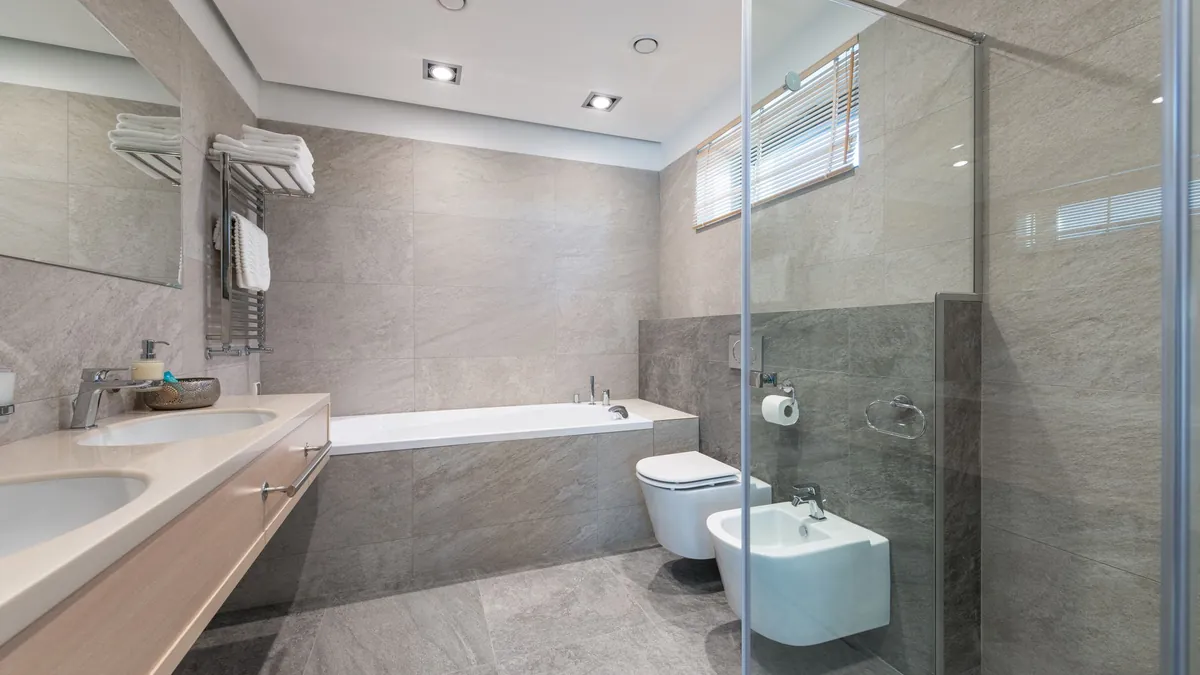
Stepping into a hotel bathroom and noticing the absence of a vent fan is more common than most travelers realize. For guests accustomed to the familiar hum of a bathroom exhaust fan at home, the silence can feel oddly unsettling — and occasionally raise real concerns about air quality and moisture buildup. It’s one of those small design details that quietly shapes the guest experience without ever appearing on a hotel’s amenities list.
Most guests assume the missing fan is simply an oversight or a cost-cutting shortcut by budget properties. The reality, however, cuts across all hotel tiers — from economy chains to 5-star resorts — and the reasoning behind it is far more deliberate and technically layered than it first appears.
Centralized HVAC Systems Make Individual Fans Architecturally Redundant
Modern hotels are almost universally built around centralized HVAC systems that handle ventilation for the entire property, including individual bathrooms, through a unified duct network. These systems are engineered to meet ASHRAE ventilation standards — specifically ANSI/ASHRAE Standard 62.1-2019 — which govern acceptable indoor air quality and airflow rates across commercial buildings. A standalone bathroom vent fan becomes structurally unnecessary when a building-wide system is already managing air exchange continuously.
Beyond pure functionality, consolidating ventilation into 1 centralized system dramatically reduces operational costs and maintenance overhead for hotel operators. Running hundreds of individual exhaust motors across a property consumes significantly more energy than managing a single engineered system optimized for efficiency. This consolidation also eliminates a high-frequency maintenance liability, since small bathroom fans are among the most commonly serviced fixtures in residential and commercial properties alike.
Liability, Mold Risk, and the Hidden Stakes of Poor Bathroom Ventilation
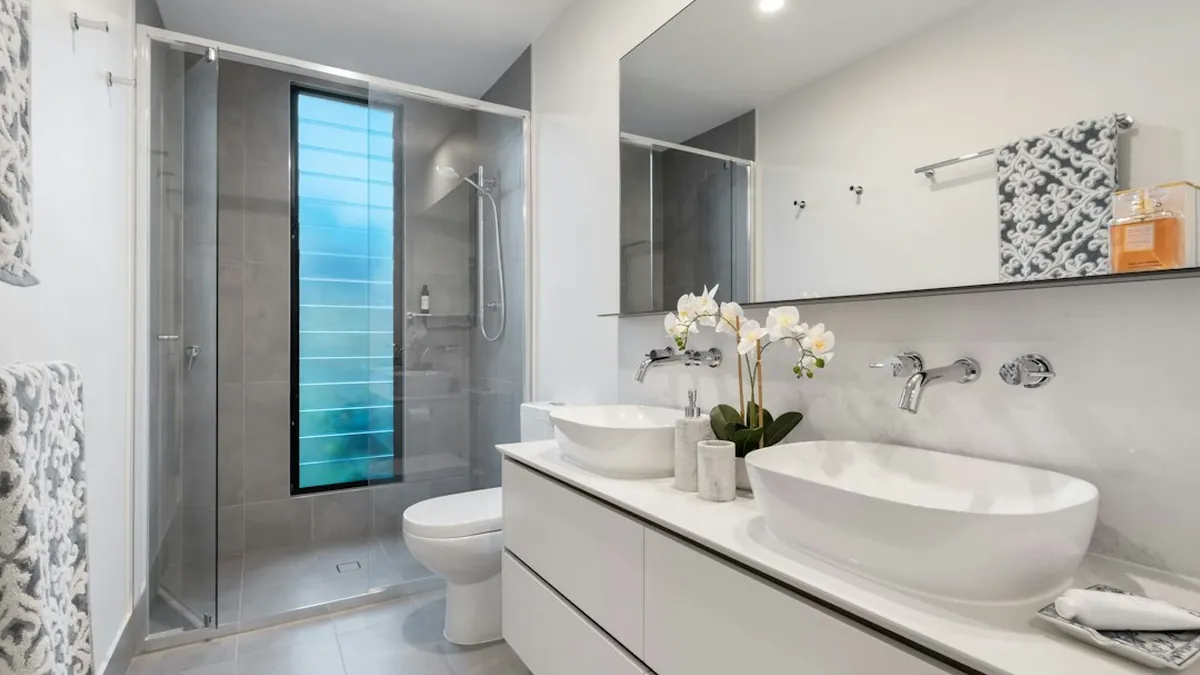
The stakes of getting ventilation wrong in a hotel bathroom are not trivial — they carry genuine legal and health consequences. Peer-reviewed epidemiologic research has established clear associations between dampness, mold exposure, and respiratory or allergic health outcomes, making moisture control a direct guest safety issue. Hotels already carry general liability insurance covering bodily injury and property damage claims, meaning a mold-related guest complaint can escalate into a costly legal event if ventilation systems are found inadequate.
This is precisely why savvy travelers should pay attention to how a hotel manages humidity — not just whether a vent fan is present. When researching properties, cross-referencing guest feedback patterns using tools for spotting fake hotel reviews can help surface legitimate complaints about musty rooms or poor air circulation that might otherwise be buried. Hotels relying on properly calibrated HVAC systems with bathroom exhaust integration are genuinely safer than those cutting corners under the cover of modern-sounding design language.
Alternative humidity management solutions — including passive exhaust vents, dehumidifying HVAC modes, and moisture-absorbing bathroom fixtures — are now standard tools in hotel engineering playbooks. These approaches maintain guest comfort and code compliance without the noise, maintenance demands, or energy inefficiency of individual fan units. Understanding why hotels remove bathroom vent fans reframes the absence not as neglect, but as a calculated infrastructure decision with real accountability behind it — share your own hotel air quality experiences in the comments below.