Hotel Elevator Key Cards: Security & Bypass Methods

As participants in Amazon Associates and other programs, we earn from qualifying purchases. This comes at no additional cost to you. For more details, see our Affiliate Disclosure.
For most travelers, the slim plastic card handed over at check-in feels like a seamless, high-tech gateway to their room and the floors above. It’s a ritual so routine that guests rarely pause to question the sophistication — or the fragility — of the system protecting them. Hotel elevator key card security has become one of the hospitality industry’s most quietly contested battlegrounds.
The uncomfortable truth is that the technology underpinning many hotel access systems is older and more exposed than the polished lobbies suggest. Understanding what’s actually happening inside that tap or swipe reveals a landscape of real vulnerabilities that every traveler — and every hotel operator — should take seriously. If you’re already researching hotel star rating differences before booking, the access control infrastructure behind those ratings deserves equal scrutiny.
The Technology Stack Controlling Who Rides to Your Floor
Modern hotel elevator access control systems typically rely on RFID (Radio Frequency Identification) or NFC-based key cards that communicate wirelessly with readers embedded in elevator panels. When a guest taps their card, the reader validates a credential stored on the card’s chip before unlocking the corresponding floor. The entire exchange happens in milliseconds, creating an illusion of impenetrable security.
The dominant card standard for decades has been MIFARE Classic, but its proprietary Crypto-1 encryption algorithm has been publicly compromised since 2007 and 2008, making it fundamentally unsuitable for robust security applications. More advanced properties have migrated to MIFARE DESFire, which employs industry-standard AES-128 and 3DES cryptographic algorithms — a meaningful generational leap in protection.
Cloning Attacks and the Hidden Risks Guests Never See
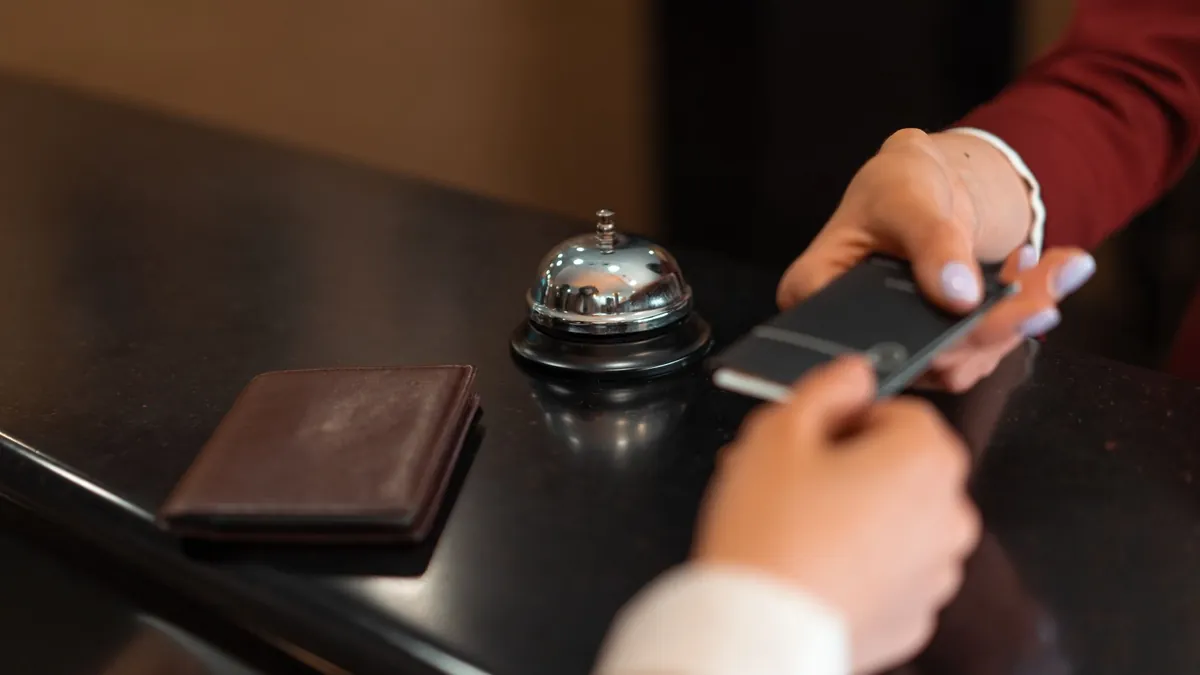
The most alarming vulnerability in legacy hotel key card systems is how effortlessly they can be cloned. According to security researchers at Get Safe and Sound, attackers need only position a card reader in proximity to a legitimate access card to capture the chip’s data remotely — no physical contact required. These cards communicate indiscriminately with any reader within range, making a crowded hotel lobby or elevator an ideal harvesting environment.
Beyond physical access threats, hotels face serious compliance obligations tied directly to their payment infrastructure. Any hotel that accepts payment cards must comply with PCI DSS regardless of size, and that compliance framework extends to how guest credential data is handled and stored across access systems. Investing in comprehensive security awareness training for all staff — with regular refresher updates — is a non-negotiable baseline, not an optional upgrade.
What Responsible Hotels Are Doing to Protect Guest Access
Forward-thinking properties are replacing legacy MIFARE Classic infrastructure with DESFire EV2 or EV3 cards, implementing mutual authentication protocols, and integrating mobile credential systems that eliminate physical card vulnerabilities entirely. Guests can also take practical steps, like keeping key cards away from smartphones and other RFID-enabled items that could interfere with or inadvertently expose credentials. Travelers planning international stays — whether researching Paris travel safety tips or any major destination — should ask hotels directly about their access control technology before arrival.
Hotel elevator key card security sits at the intersection of guest safety, data compliance, and rapidly evolving technology — and the gap between perception and reality remains dangerously wide in 2026. The hotels closing that gap are investing in modern cryptographic standards, staff training, and transparent guest communication. Have you ever had a key card security concern during a hotel stay, or asked a property about their access control systems? Share your experience in the comments below.