Passport 6-Month Validity Rule: Why Tourists Get Caught Off Guard
As participants in Amazon Associates and other programs, we earn from qualifying purchases. This comes at no additional cost to you. For more details, see our Affiliate Disclosure.
Most travelers check their passport expiration date once, tuck the document into a travel wallet, and assume they’re cleared for takeoff. It’s an understandable assumption — if the passport hasn’t expired, it should work, right? That logic feels airtight until it isn’t.
Every year, thousands of tourists are denied boarding or turned away at foreign borders despite holding technically valid passports. The culprit is almost always the same overlooked rule — one that operates quietly in the background of international travel law and catches even experienced travelers completely off guard.
The Passport Validity Six Months Rule Operates on the Destination Country’s Terms
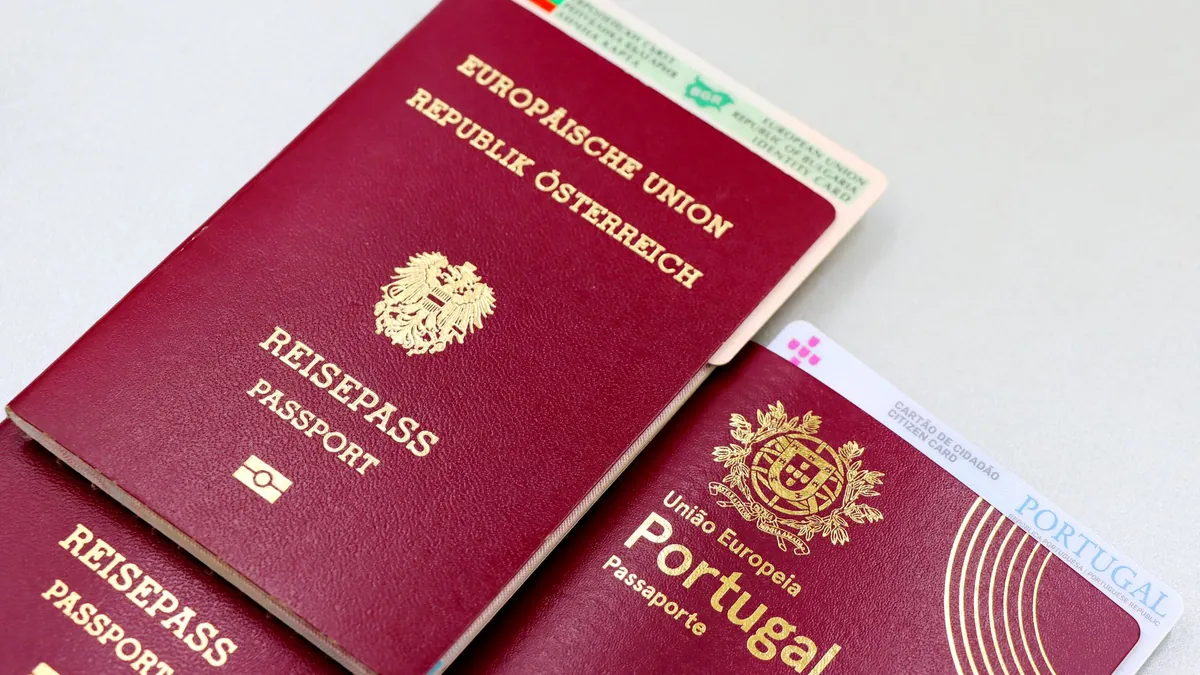
The passport validity six months rule is a requirement enforced by many countries that your passport must remain valid for at least 6 months beyond your intended departure date from their territory. This means a passport expiring 4 months from now could still get you rejected at the gate, even though it hasn’t technically expired. The rule exists because countries want assurance that a traveler won’t become stranded or undocumented within their borders if travel plans shift.
Enforcement is far from uniform — some destinations, like Vietnam, which recently expanded visa-free access for select nationalities, only require 1 month of remaining validity. Others, particularly across Africa and Southeast Asia, strictly enforce the full 6-month window. According to the U.S. State Department, travelers must always verify the specific entry requirements of their destination country before departure.
Exceptions Exist, But Assuming You Qualify Is a Costly Mistake
Several countries have bilateral agreements that waive the 6-month rule for citizens of specific nations, reducing the requirement to as little as 3 months or the duration of the stay itself. However, these exceptions are country-pair specific and change without wide public notice, which means relying on outdated travel forum advice is genuinely risky. Armenia, for instance, recently dropped visa requirements for 113 nationalities, but passport validity standards still apply independently of visa policy.
Travel insurance is another area where dangerous misconceptions thrive. As confirmed by Go Ready Insurance, travel coverage does not extend your passport’s validity, waive a country’s entry requirements, or guarantee boarding — but it can offset financial losses like canceled flights and forfeited deposits if a validity issue disrupts a pre-insured trip. Checking your passport against your destination’s rules remains entirely your responsibility, and no policy changes that.
The smartest move any traveler can make is renewing a passport the moment it dips below 9 months of remaining validity, eliminating the risk entirely before trip planning even begins. Pairing that habit with a reliable travel resources guide covering visas and entry requirements ensures nothing slips through the cracks. The passport validity six months rule isn’t obscure — it’s just chronically underestimated, and the consequences of ignoring it are immediate and expensive. Have you ever been caught off guard by a passport validity requirement at the airport or border? Share your experience in the comments.