6 Warning Signs of Tourist Trap Street Food in Europe
As participants in Amazon Associates and other programs, we earn from qualifying purchases. This comes at no additional cost to you. For more details, see our Affiliate Disclosure.
Europe’s street food scene is one of the continent’s most seductive promises — the smell of fresh churros in Madrid, sizzling bratwurst in Berlin, or paper cones of fritti in Naples can feel like the most authentic travel experience imaginable. But the line between a genuine local staple and a cleverly packaged tourist trap is far thinner than most visitors realize, and crossing it often costs more than just money.
The uncomfortable truth is that the most photogenic stalls in the most iconic squares are frequently the least trustworthy options on the street. Knowing exactly what to look for — before you hand over your euros — is the single most powerful tool any traveler carries, and these 6 warning signs make that distinction unmistakably clear.
1. Inflated Pricing in High-Traffic Tourist Squares and Landmarks

Vendors positioned directly beside major monuments or inside famous piazzas operate with a captive audience and zero competitive pressure, which translates directly into dramatically marked-up prices. A simple crepe that costs 3 euros 2 blocks away can easily hit 9 euros steps from the Eiffel Tower. This is the same pricing psychology dissected in analyses of tourist pricing at European cafes — location is the markup.
- Key Reality: A 200% price premium for identical food is common within 50 meters of a major landmark versus a residential side street.
2. Laminated Menus with Photos and Multiple Language Translations
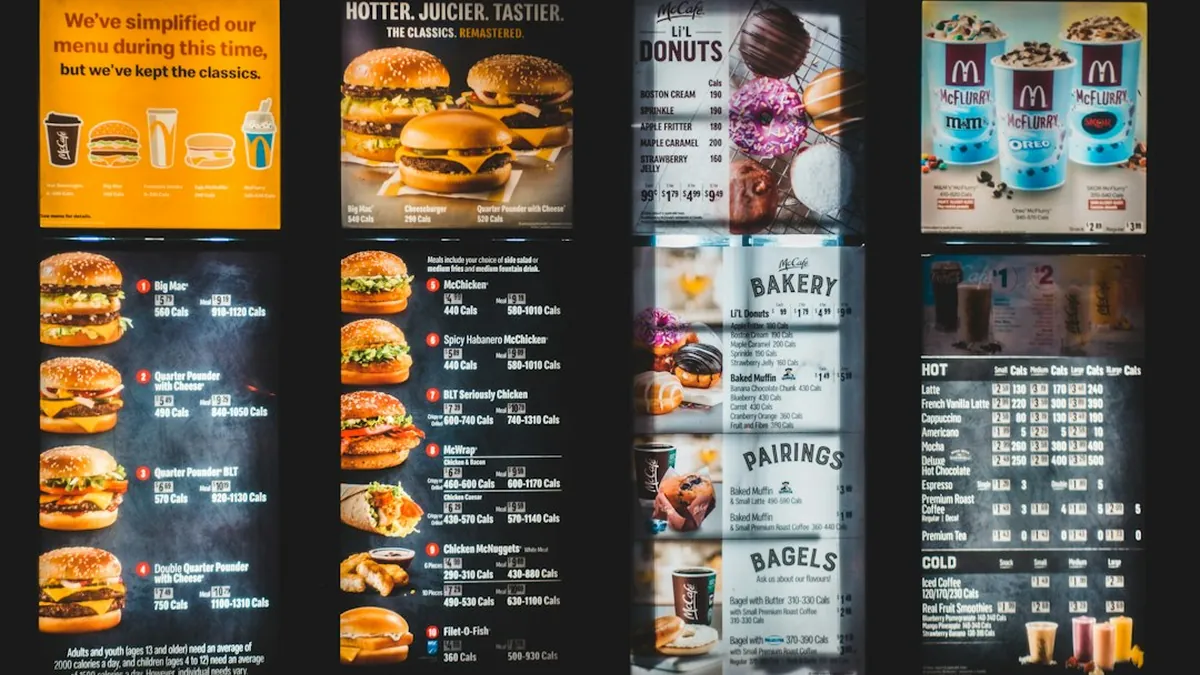
A laminated, photo-heavy menu printed in 6 languages is a near-universal signal that a vendor’s primary customer is a confused tourist, not a discerning local. Authentic street food operations typically post 1 or 2 handwritten items in the local language because their regulars already know what they sell. The effort invested in multilingual menus is a marketing strategy, not a hospitality gesture.
- Key Reality: Legitimate local vendors rarely need visual menus — their loyal clientele orders by habit and word of mouth.
3. Aggressive Staff Members Beckoning Customers from Doorways

When a vendor’s staff is stationed outside actively flagging down passersby, that energy signals desperation rather than confidence in the product. High-quality street food earns queues organically — it does not require a human billboard blocking the footpath. This aggressive recruitment tactic is a hallmark of operations that rely on volume from uninformed first-time visitors rather than repeat local business.
- Key Reality: The best street food stalls in Europe almost always have a line — not a salesperson standing outside recruiting one.
4. Lack of Local Customers and Exclusively Tourist Clientele

Scan the queue and the surrounding tables carefully — if every single person is wearing a lanyard, consulting a map, or speaking a foreign language, that demographic uniformity is a loud warning signal. Locals eat street food constantly across Europe, and a genuinely good vendor will always attract a mixed crowd. Research on how journalists vet operators confirms that independent, community-level validation is among the strongest authenticity indicators available.
- Key Reality: If no one who lives within 1 kilometer is eating there, trust that signal completely.
5. Inauthentic Regional Dishes Catering to Westernized Palates
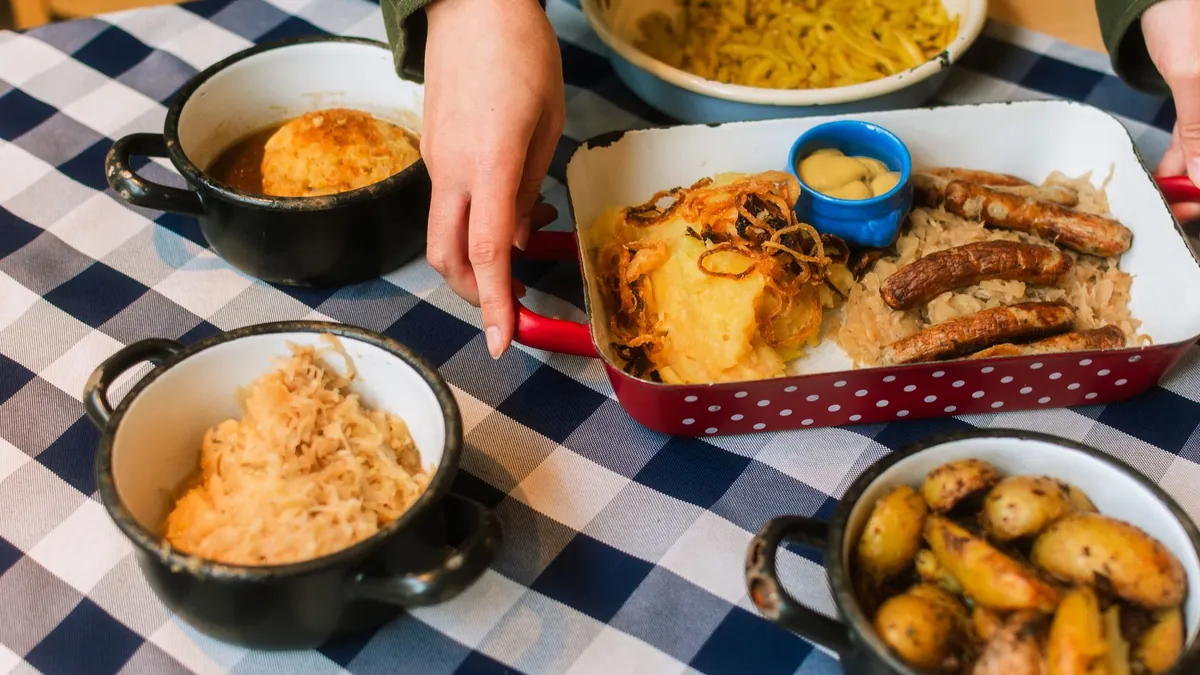
A vendor in Kraków selling “traditional Polish pizza” or a Roman stall offering generic “Italian street tacos” is manufacturing a product for tourists who won’t know the difference, not preserving a culinary tradition. The EU mandates comprehensive allergen labeling requirements for food vendors, as outlined by the European Commission’s food safety guidelines — yet trap vendors frequently ignore even these basic obligations. Westernized fusion dishes at street level are almost always a shortcut to higher margins, not cultural pride.
- Key Reality: Authentic regional street food uses hyper-local ingredients and techniques that simply don’t require a “fusion” rebrand to sell.
6. Pressure Tactics and Mandatory Tip Solicitation After Purchase

Being handed a tip jar, a tablet pre-loaded at 25%, or a verbal prompt for gratuity immediately after receiving street food is a manufactured obligation with no cultural basis in most of Europe. Studies on street vendor compliance and documentation reveal that fewer than 40% of vendors hold proper food safety certifications — operators cutting corners on licensing are often the same ones engineering post-sale pressure. Tipping customs vary dramatically by country, and understanding those norms is essential traveler literacy, much like knowing the countries where tipping is considered insulting.
- Key Reality: Unsolicited tip pressure at a street food stall is a red flag for an operation built entirely around tourist extraction, not food quality.
Recognizing tourist trap street food vendors across Europe ultimately comes down to reading the room — the clientele, the menu design, the vendor’s behavior, and the price all tell a coherent story before you take a single bite. Travelers who slow down and apply these 6 filters consistently eat better, spend less, and walk away with experiences that actually reflect the culture they came to discover — drop your own street food stories or close calls in the comments below.