6 Hidden Costs of Cruise Vacations First-Timers Miss
As participants in Amazon Associates and other programs, we earn from qualifying purchases. This comes at no additional cost to you. For more details, see our Affiliate Disclosure.
Few travel deals feel as irresistible as a cruise brochure promising 7 nights in the Caribbean for a jaw-dropping base fare — and that’s precisely the problem. The cruise industry has perfected the art of the low entry price, drawing in first-timers who genuinely believe they’ve secured an all-inclusive bargain before they’ve even packed a bag.
The reality is that the advertised fare often covers little more than your cabin and basic buffet meals, leaving a long list of charges waiting to surface on your onboard account. Understanding the real cruise budgeting essentials before departure is the single most effective way to protect your wallet from a rude awakening at disembarkation.
1. Taxes, Port Fees, and Government Charges That Inflate Your Final Bill

Taxes, port fees, and government levies are non-negotiable line items that cruise lines are legally required to collect, yet they rarely appear prominently in the advertised fare. These charges vary by destination and itinerary, and they can add anywhere from 50 to over 200 dollars per person to your total booking cost. Always request the fully itemized price — not the headline number — before confirming any reservation.
- Key Reality: Port fees alone on popular Caribbean itineraries can range from 80 to 150 dollars per passenger on a 7-night sailing.
2. Mandatory Gratuities and Automatic Tipping Policies Added to Your Account

Most major cruise lines automatically apply daily gratuity charges to every passenger’s onboard account, typically ranging from 16 to 22 dollars per person, per day. On a 7-night voyage for 2 people, that’s a silent bill of up to 308 dollars added before you’ve tipped a single bartender. These charges cover cabin stewards, dining staff, and behind-the-scenes crew — and opting out is often a complicated, policy-dependent process.
- Key Reality: Luxury lines like Seabourn sometimes include gratuities in the fare, but mainstream brands almost universally do not.
3. Beverage Packages and Specialty Dining Restaurants Beyond Your Cruise Fare

The main dining room is included, but the moment you step into a specialty steakhouse or sushi restaurant onboard, you’re paying à la carte surcharges that can run 30 to 60 dollars per person, per meal. Beverage packages — which cover cocktails, wine, and premium coffee — are aggressively marketed pre-departure and can cost 70 to 110 dollars per person, per day. As detailed in this look at how cruise lines double spending, upselling food and drink is one of the industry’s most profitable revenue strategies.
- Key Reality: A couple purchasing a beverage package for a 7-night cruise can spend an additional 980 to 1,540 dollars combined.
4. Internet and Wi-Fi Access Fees for Staying Connected at Sea

Satellite internet at sea is notoriously expensive, with most cruise lines charging between 15 and 35 dollars per day for a single-device Wi-Fi plan. Premium streaming-capable packages can push that figure even higher, and the connection quality rarely justifies the price. Travelers who need reliable connectivity for remote work or family communication should factor this cost into their budget from day 1.
- Key Reality: A 7-night Wi-Fi package for 2 devices can easily cost 200 to 490 dollars depending on the cruise line and tier selected.
5. Shore Excursions and Land Tours That Quickly Exceed Budget Expectations
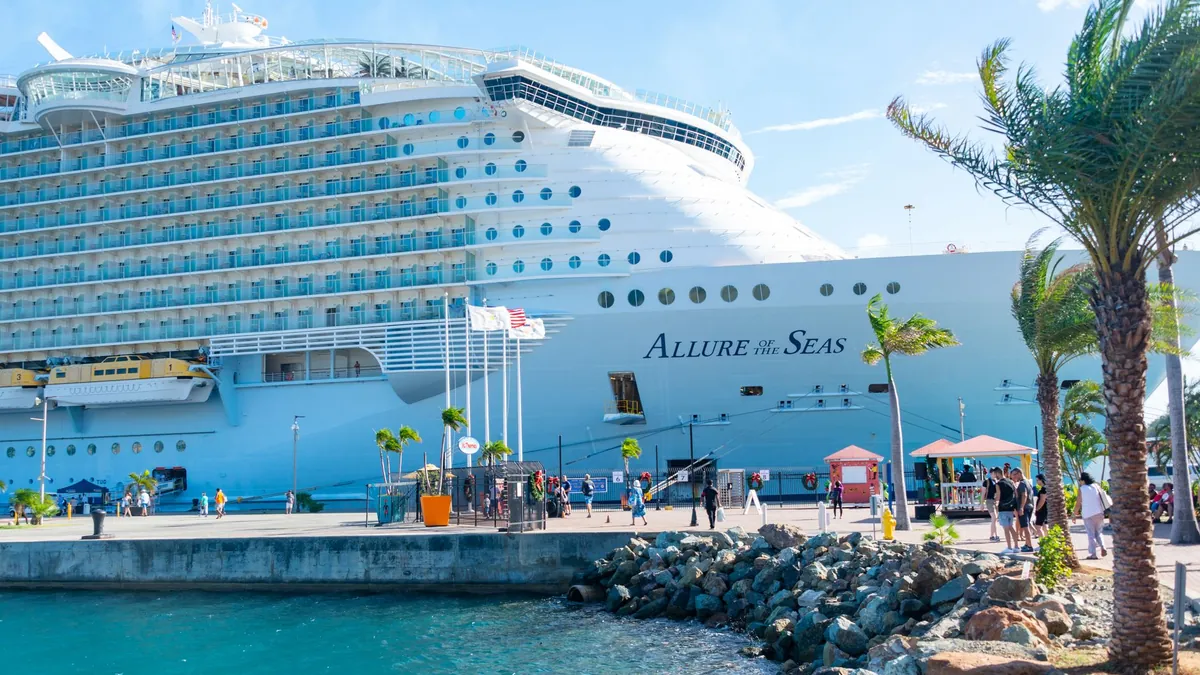
Cruise-sponsored shore excursions are convenient but come with a significant premium — a single snorkeling tour or city bus excursion can run 80 to 180 dollars per person at popular ports. Independent tours booked locally are often cheaper, but they carry the risk of missing the ship’s departure if anything runs late. Medical emergencies during shore excursions add another layer of financial exposure, since the CDC confirms that standard Medicare does not cover medical costs or evacuation incurred outside the United States.
- Key Reality: A family of 4 booking 3 ship-sponsored excursions across a 7-night Caribbean itinerary could spend upward of 1,500 dollars on tours alone.
6. Cabin Upgrades, Specialty Stateroom Selection, and Premium Location Fees

That entry-level interior cabin fare is real — but it often places you in the smallest, least desirable stateroom on the ship, with no natural light and a location near noisy mechanical areas. Upgrading to an oceanview, balcony, or suite can add hundreds to thousands of dollars to the booking price, and “premium location” fees for mid-ship or high-deck placement are increasingly common across different cruise categories. Pricing research into brands like Holland America and Seabourn, as documented in this academic pricing study, confirms that tiered cabin pricing is a deliberate and deeply embedded revenue strategy across the industry.
- Key Reality: A balcony cabin upgrade on a popular 7-night sailing can cost 400 to 1,200 dollars more than the base interior rate per person.
The hidden costs of cruise vacations aren’t accidental — they’re architectural, built into a pricing model designed to make the initial booking feel affordable while maximizing onboard revenue at every turn. Going in with a clear-eyed budget and a full understanding of what your fare actually includes is the only real defense against sticker shock on the high seas — so drop a comment below and tell us which surprise charge caught you most off guard on your first cruise.