6 Times to Avoid Airport Currency Exchange
As participants in Amazon Associates and other programs, we earn from qualifying purchases. This comes at no additional cost to you. For more details, see our Affiliate Disclosure.
Currency exchange at airport kiosks is one of the most expensive financial decisions travelers make — and most don’t realize it until the damage is done.
These six situations are clear signals to walk past that exchange desk and find a smarter option.
1. When You Haven’t Compared Exchange Rates with Your Bank or Online Providers
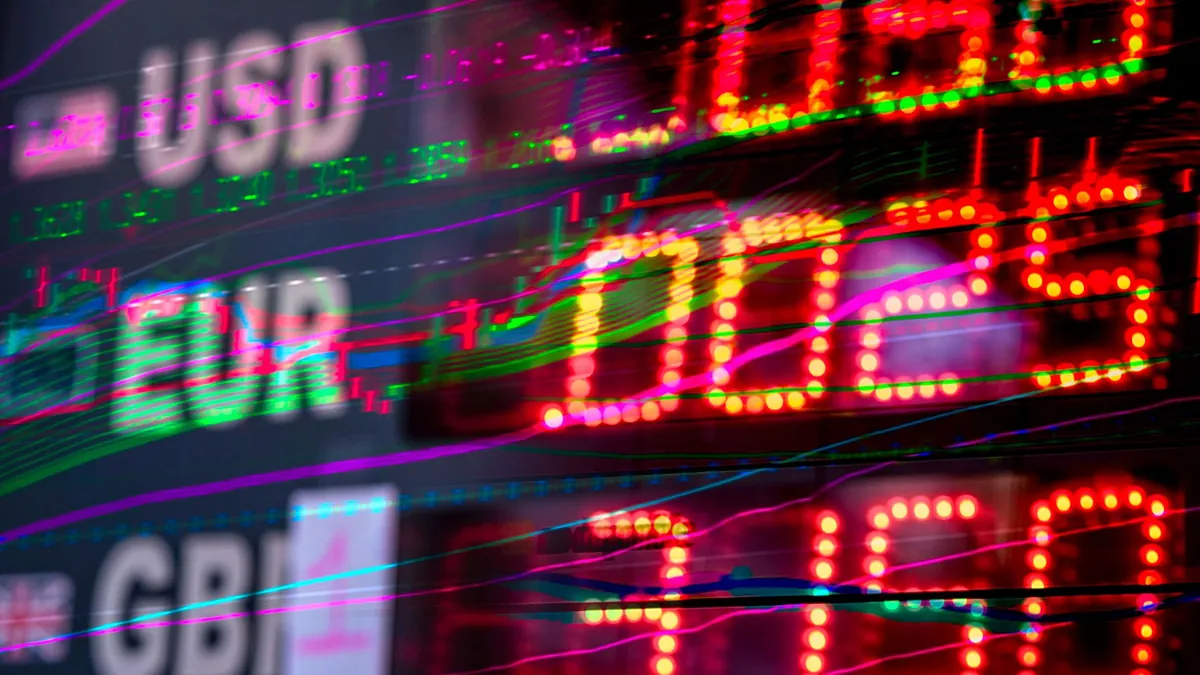
Banks regularly beat airport money exchange rates — if you’re exchanging $1,000, a 5 to 10 percent difference means an extra $50–$100 in your pocket, as noted by Bankrate’s currency exchange guide. Always check your bank and online platforms before heading to the terminal to understand the true market rate.
- Key Takeaway: A quick rate comparison before travel can save you $50–$100 on a $1,000 exchange.
2. During Peak Travel Hours When Lines Are Longest

Currency markets are most active during peak trading hours — typically 9 AM to 1 PM in major markets like London and New York — so use tracking tools to gauge rate direction and avoid large economic news days if possible. Waiting in a long airport queue only adds stress without improving the rate you’ll receive.
- Key Takeaway: Market timing matters — monitor rate trends before committing to any exchange.
3. When You Need Exotic or Specialty Currencies
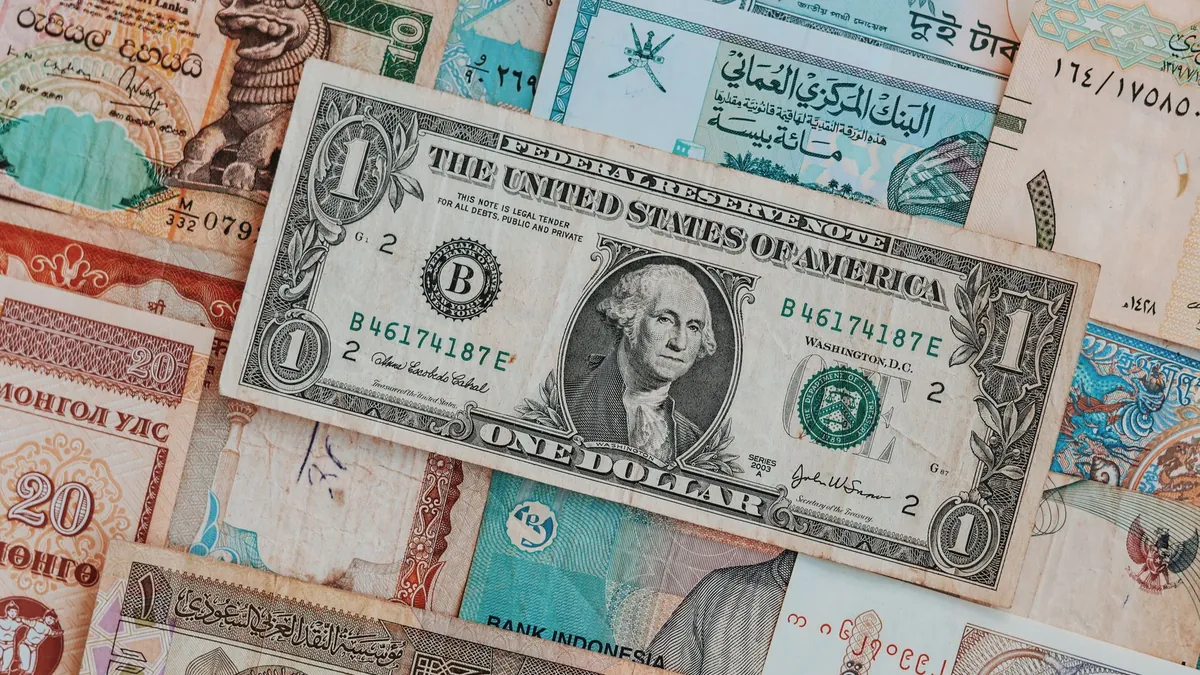
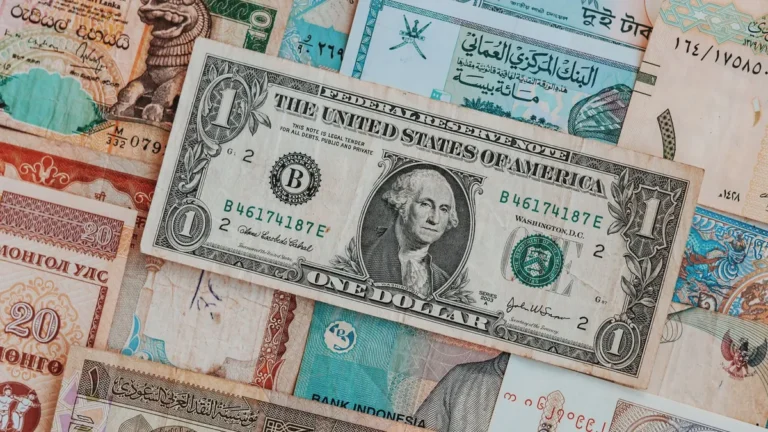
Airport exchange desks stock major currencies and rarely carry inventory for less common denominations, leaving travelers to niche destinations without options. Pre-ordering through your bank guarantees availability and avoids the steep airport markup entirely.
- Key Takeaway: For specialty currencies, pre-ordering through your bank is the only reliable solution.
4. If You Have Access to ATMs That Accept Your Home Bank Card
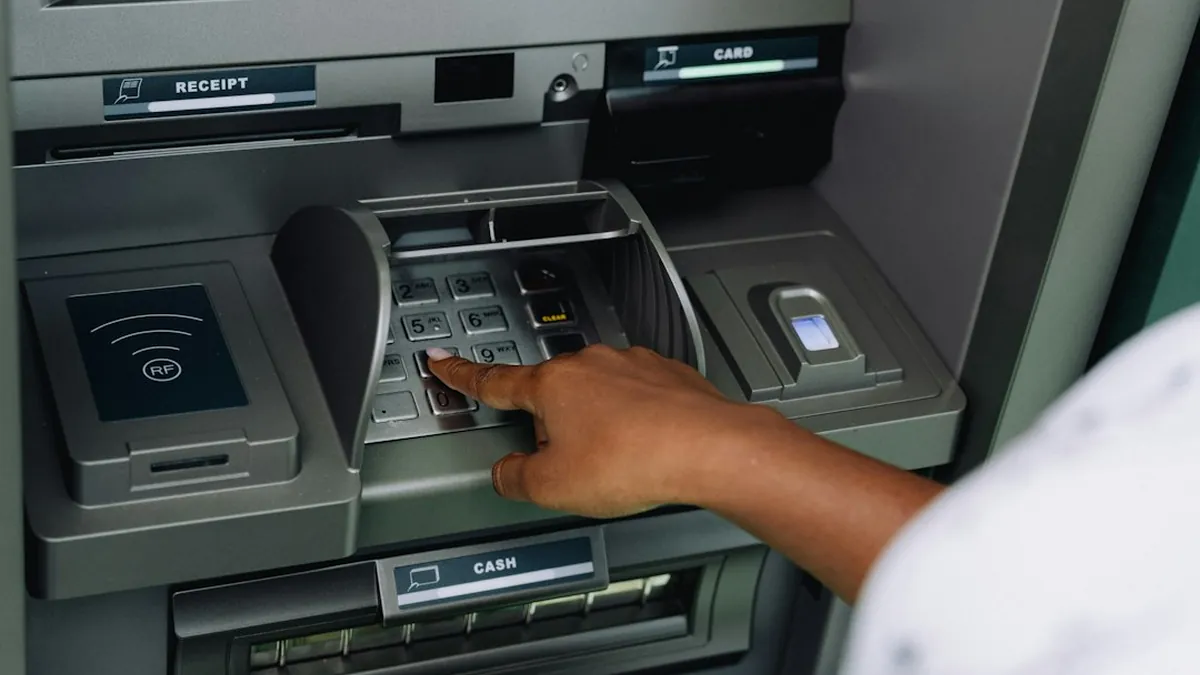
Airport ATMs typically apply interbank-linked exchange rates, making them far superior to currency exchange desks for getting local cash. To avoid unnecessary costs across your entire trip, also review avoiding foreign transaction fees before you fly.
- Key Takeaway: ATM withdrawals eliminate the middleman and deliver better exchange value.
5. When You’re Exchanging Small Amounts for Short Trips

Airport currency exchange services often add flat fees or percentage-based commissions on top of marked-up rates, which disproportionately hurt small transactions. For brief visits, using a no-foreign-fee credit card or a single ATM withdrawal is far more economical.
- Key Takeaway: Fixed commission fees make small airport exchanges especially poor value.
6. Before Checking if Your Destination Accepts Digital Payments or Cards
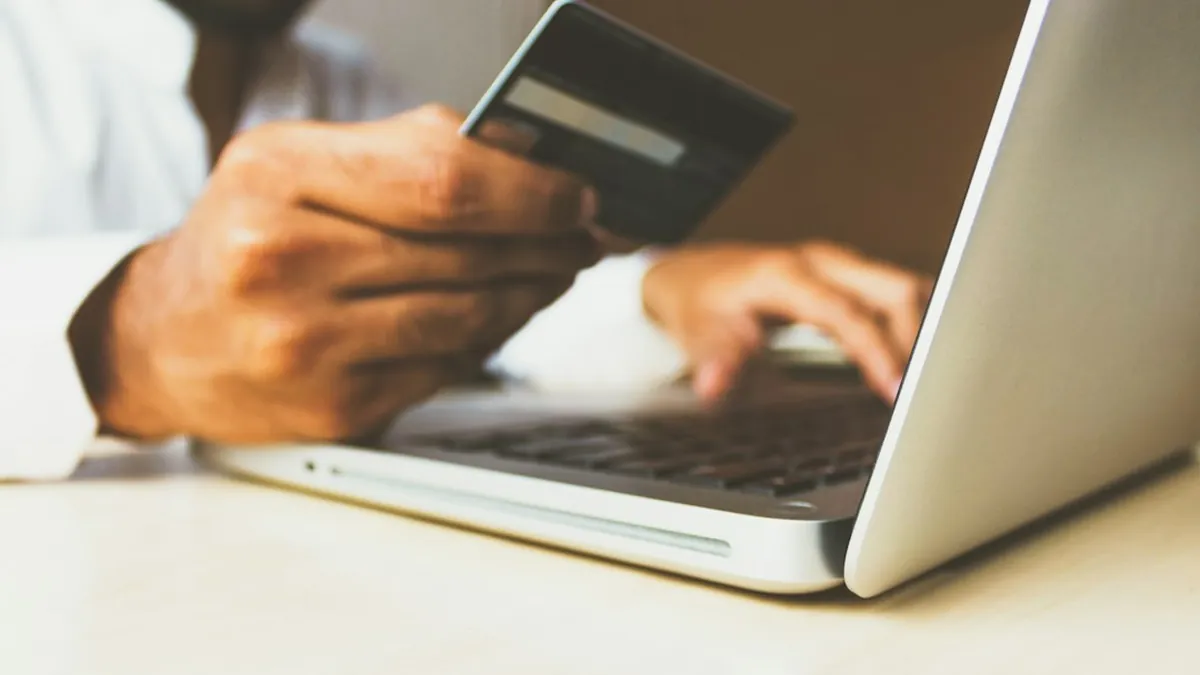
Many modern destinations now accept contactless payments and mobile wallets widely — for example, Haneda Airport stablecoin payments signal just how fast digital options are expanding globally. Also be aware that some fraudulent websites and apps pose as legitimate currency exchange services, so always verify any platform before use, as warned by USS Federal Credit Union’s scam prevention tips.
- Key Takeaway: Research your destination’s payment infrastructure — you may not need physical cash at all.