Check Currency Exchange Spread Before Mobile Payments
As participants in Amazon Associates and other programs, we earn from qualifying purchases. This comes at no additional cost to you. For more details, see our Affiliate Disclosure.
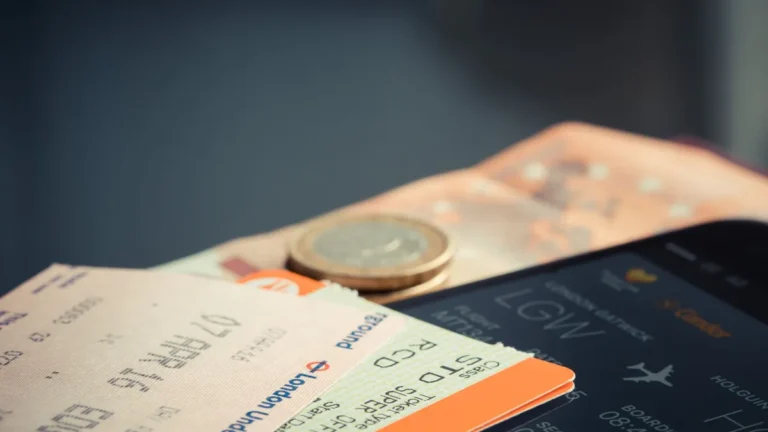
Mobile payment apps have made spending abroad feel effortless — tap your phone, confirm the amount, and move on with your day. Millions of travelers now rely on digital wallets and banking apps as their default method for handling foreign transactions, trusting the technology to handle the math fairly and transparently.
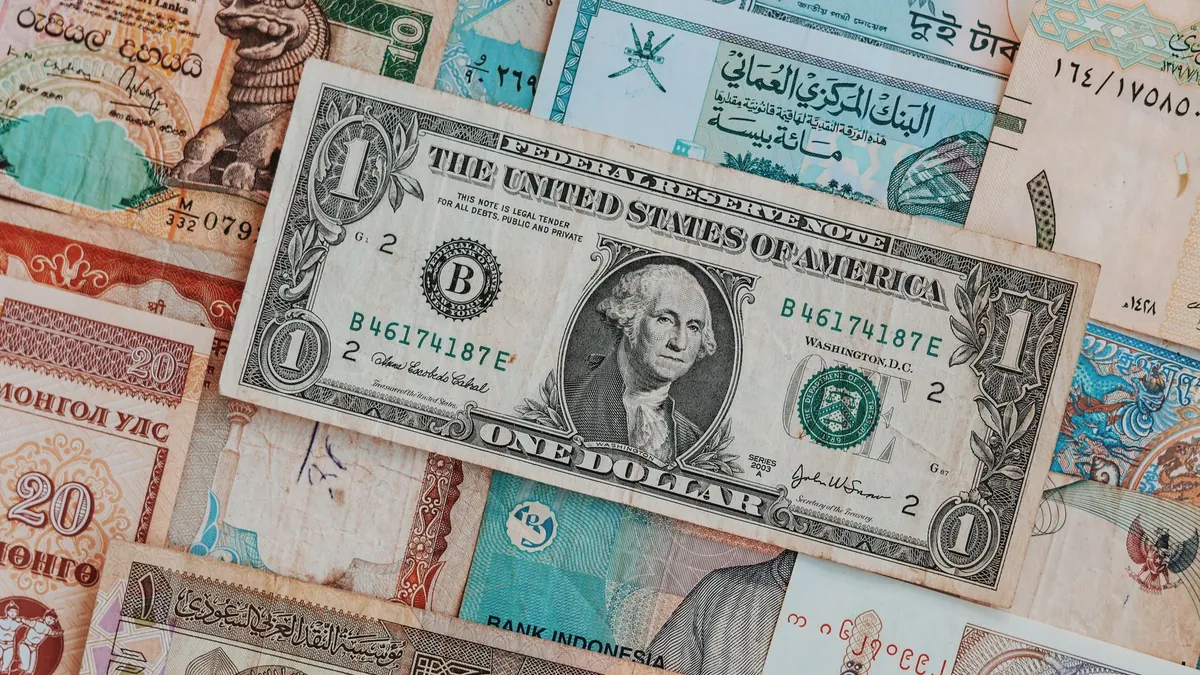
What most users never scrutinize, however, is the silent fee buried inside every single one of those transactions. The currency exchange spread — the gap between the rate a broker buys currency and the rate it sells it back to you — can quietly erode your purchasing power in ways that never appear as a labeled charge on your receipt.
The Bid-Ask Gap Is the Hidden Tax on Every Foreign Transaction
Every currency exchange operates on a bid-ask model, where the “bid” is what the market pays to buy a currency and the “ask” is what it charges to sell it. The spread between those 2 figures is how payment processors, banks, and currency platforms extract profit from each transaction, often without any visible disclosure to the consumer.
Regulatory bodies like the CFTC have long emphasized that transparency in financial markets is essential to protecting everyday participants from systemic risk, yet retail currency tools remain among the least scrutinized products in consumer finance. Independent platforms that offer visualization and comparison of price feeds across forex brokers reveal just how dramatically spreads vary between providers — sometimes by as much as 3 to 5 times for the same currency pair.
Liquidity Conditions and Market Volatility Multiply Your Real Costs
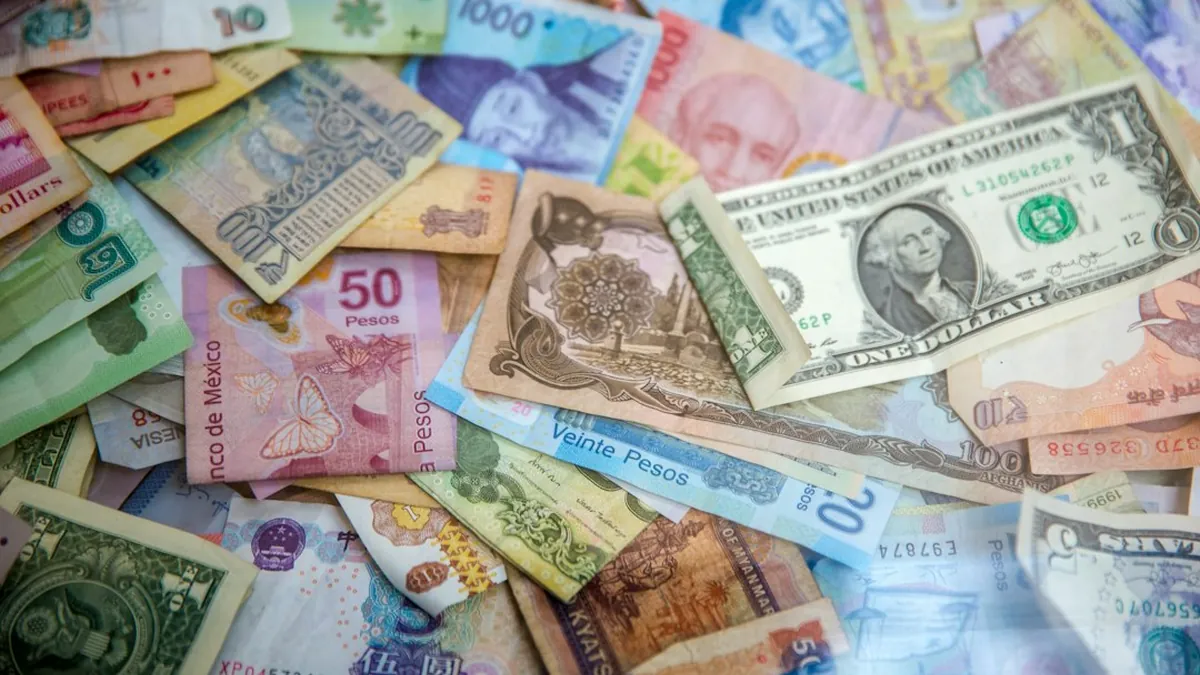
Spreads are not static — they widen significantly during periods of low liquidity or high market volatility, meaning the rate you see at 9 a.m. on a Tuesday may be dramatically better than what your app quietly applies during a weekend transaction. Travelers completing mobile payments in destinations with less liquid currencies, such as those planning trips to Eastern Europe, should pay close attention; understanding currency navigation in Hungary is a practical starting point for grasping how exotic-pair spreads behave differently than major ones.
The distinction between fixed and variable spread models matters enormously for mobile payment users who transact frequently across borders. Fixed spreads offer predictability regardless of market conditions, while variable spreads can spike unpredictably — a risk that disproportionately affects travelers who don’t monitor exchange windows, much like how booking airline tickets in foreign currency can unlock meaningfully lower prices when timing and rate awareness align.
Checking the mid-market rate on a neutral source before completing any mobile payment abroad gives you an immediate benchmark to measure your app’s actual rate against, and a spread exceeding 1.5% should prompt you to consider alternatives. Staying informed about how exchange costs work is one of the most underrated financial habits a modern traveler can build. Drop your own experience with mobile payment spreads in the comments — your insight could save a fellow traveler real money.