Wandering the Globe as a Digital Nomad
As participants in Amazon Associates and other programs, we earn from qualifying purchases. This comes at no additional cost to you. For more details, see our Affiliate Disclosure.
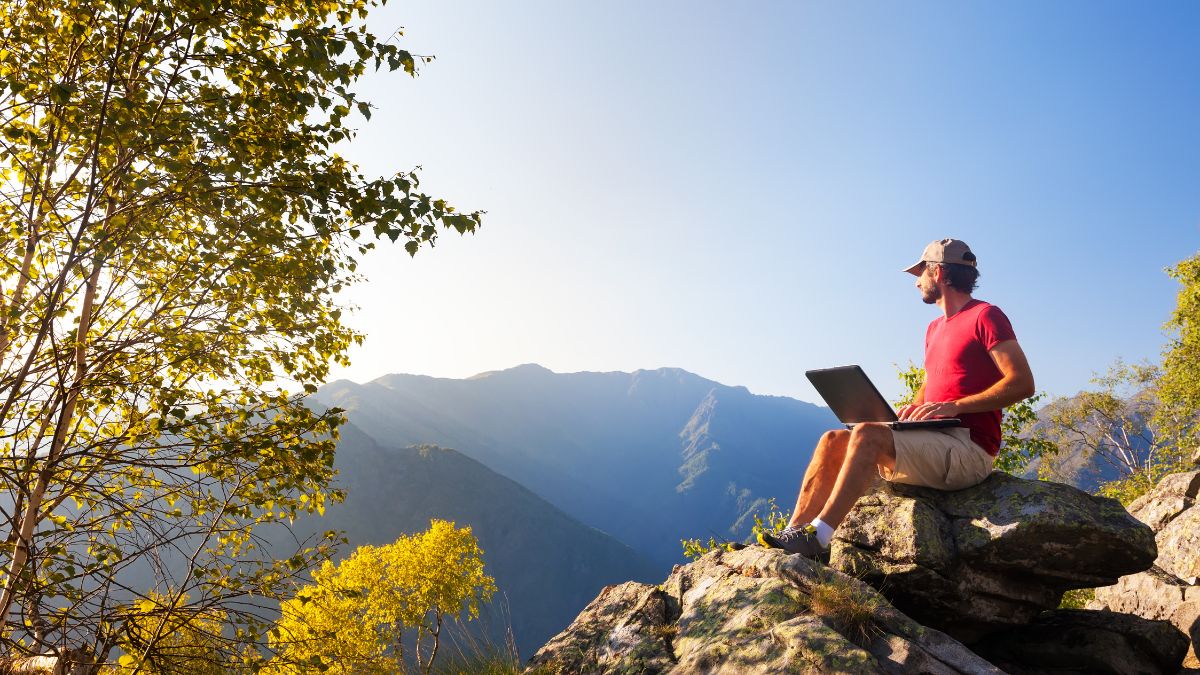
Working remotely while traveling the world sounds like a dream, and it’s more doable than ever. With a laptop and Wi-Fi, you can explore new places without sacrificing your career. The key is balancing work, travel logistics, and personal well-being to make the lifestyle sustainable and fun.
This guide shares practical tips for combining remote work with global adventures. From choosing the right destinations to managing your schedule, we’ll cover how to stay productive while chasing new horizons. Let’s dive into making your work-and-travel life a reality.
Picking Work-Friendly Destinations
Choose destinations with reliable internet and coworking spaces to stay productive. Cities like Chiang Mai, Thailand, or Lisbon, Portugal, are digital nomad hubs with fast Wi-Fi and affordable cafes. I worked from a Chiang Mai coworking space for $50 a month, with speeds perfect for video calls.
Look for places with a low cost of living to stretch your budget. In Medellín, Colombia, I rented a furnished apartment for $600 a month, leaving plenty for exploring. Check visa rules—countries like Estonia or Barbados offer digital nomad visas for stays up to a year.
Time zones matter for remote work. If your job requires U.S. hours, South America, like Buenos Aires, aligns better than Asia. I picked Mexico City for a month to sync with East Coast meetings, making work calls seamless while enjoying tacos after hours.
Setting Up a Productive Routine
A solid routine keeps you focused while traveling. Set consistent work hours that match your job’s needs and local lifestyle. In Bali, I worked 7 a.m. to 3 p.m., leaving afternoons free for surfing. Tools like Toggl help track hours to stay disciplined.
Find reliable workspaces, like cafes with strong Wi-Fi or coworking spots via apps like Workfrom. In Budapest, I used a cafe with great coffee and outlets for €2 a day. Pack a portable charger and noise-canceling headphones to work anywhere, even noisy hostels.
Balance work with exploration to avoid burnout. I scheduled sightseeing for weekends or evenings, like visiting Prague’s castle after work. Take advantage of local holidays or quieter days to explore, but keep clients or bosses updated to maintain trust.
Managing Tech and Connectivity
A good tech setup is your lifeline. Invest in a lightweight laptop and a universal power adapter for outlets worldwide. I used a 13-inch MacBook Air in Vietnam, easy to carry to cafes. A portable Wi-Fi hotspot, like GlocalMe, ensures internet access in spotty areas.
Back up work files on a cloud service like Google Drive or Dropbox to avoid disasters. I lost a USB drive in Peru but had backups online, saving my projects. Use a VPN, such as ProtonVPN, to secure connections on public Wi-Fi in places like Istanbul’s busy cafes.
Test internet speeds before committing to a stay. In Tbilisi, Georgia, I checked Speedtest.net at my Airbnb to confirm 50 Mbps, perfect for Zoom. Carry a local SIM as a backup—1GB daily plans in Thailand cost me $5 a week and kept me online.
Budgeting and Building Community
Living costs can creep up, so plan a realistic budget. Track expenses with apps like Trail Wallet to stay on top of spending. In Portugal, I kept meals under €10 by cooking at my Airbnb, saving enough for weekend trips to Porto.
Join digital nomad communities for support and tips. Platforms like Nomad List or Meetup connect you with others in cities like Berlin or Canggu. I met freelancers at a Lisbon coworking event, leading to local restaurant recommendations and new project ideas.
Build flexibility into your finances. Set aside an emergency fund for unexpected flights or gear repairs. When my laptop charger died in Mexico, a $200 buffer covered a replacement without stress. Mixing work and travel is rewarding with the right planning and connections.