Best Time to Visit Morocco
As participants in Amazon Associates and other programs, we earn from qualifying purchases. This comes at no additional cost to you. For more details, see our Affiliate Disclosure.
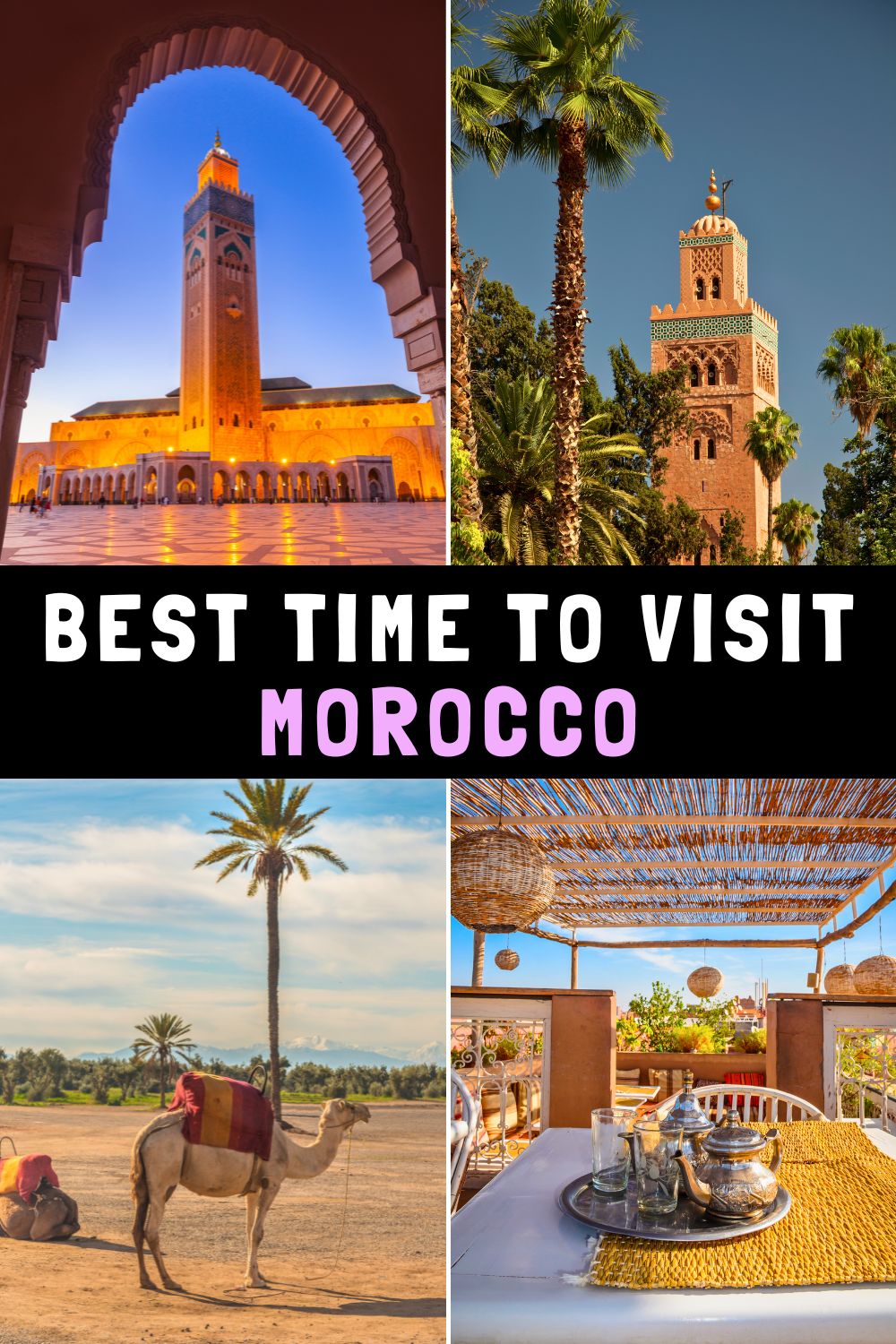
Morocco’s vibrant souks, desert dunes, and ancient medinas make it a destination that feels like a journey through time. The best time to visit Morocco is spring (March to May) or autumn (September to November), when mild weather, clear skies, and fewer crowds create the perfect setting for exploring. You’ll wander Marrakesh’s Jemaa el-Fnaa, hike the Atlas Mountains, or sip mint tea in Fez with comfortable temperatures and a lively local vibe.
These seasons let you soak in Morocco’s diverse landscapes and rich culture, from coastal Essaouira to the Sahara’s starry nights. Whether you’re bargaining for spices or camel trekking in Erg Chebbi, spring and autumn make every moment magical. Let’s dive into why these months shine and how to plan your Moroccan adventure.
Weather That Welcomes You
Spring and autumn bring Morocco’s most pleasant weather, with temperatures between 18-26°C across most regions. You can explore Chefchaouen’s blue alleys or trek Todra Gorge without the summer’s 40°C heat or winter’s chilly nights. Coastal towns like Agadir are warm enough for beach strolls, with refreshing sea breezes.
Mornings are crisp, ideal for visiting Rabat’s Kasbah or hiking in Toubkal National Park before the midday sun. Evenings cool off, perfect for rooftop dinners in Marrakesh or stargazing in the desert.
Unlike July’s scorching days or January’s occasional rains, these seasons keep you comfortable for outdoor adventures. A light scarf or jacket is all you need to roam from medinas to mountains.
Quieter Paths, Local Soul
Summer and winter holidays draw crowds to Morocco’s hotspots, but spring and autumn offer a calmer pace. You’ll linger at the Medina of Fez or Volubilis’s Roman ruins without weaving through tour groups. Smaller villages like Moulay Idriss or Imlil feel intimate, with locals sharing stories over couscous.
Markets in Tangier or Essaouira buzz with energy but aren’t packed, so you can haggle for rugs or sample harira soup without a rush. Desert camps in Zagora or Merzouga have more open spots, making camel treks feel personal.
These months let you tap into Morocco’s heart. You might join a tea ceremony in a Berber home or watch artisans weave baskets in Taroudant, feeling like you’re part of the daily rhythm.
Festivals and Cultural Riches
Spring and autumn are alive with Moroccan traditions. April’s Rose Festival in Kelaat M’Gouna celebrates the Damask rose harvest with music, dances, and petal-strewn streets. September’s Imilchil Marriage Festival in the Atlas Mountains showcases Berber customs, with colorful weddings and markets.
Marrakesh’s Popular Arts Festival in May brings storytellers, musicians, and acrobats to Jemaa el-Fnaa, while October’s Erfoud Date Festival highlights sweet medjool dates with feasts and camel races. Smaller towns host moussems, local saint festivals with food and folklore.
Markets overflow with almonds, figs, and fresh bread, and you can join cooking classes in Fez or pottery workshops in Safi. These seasons make it easy to dive into Morocco’s flavors and heritage.
Nature’s Stunning Canvas
Morocco’s landscapes glow in spring and autumn. The Atlas Mountains bloom with wildflowers in April, perfect for hiking or biking through Ouirgane Valley. September’s Sahara dunes in Erg Chigaga are warm but not blistering, ideal for camel treks or sandboarding.
Coastal cliffs in Legzira and waterfalls like Ouzoud are at their most vibrant, with clear trails for exploring. Migratory birds flock to Souss-Massa National Park, making spring a birdwatcher’s dream, while autumn’s golden light enhances photos of Dades Valley’s rock formations.
For adventure, try kitesurfing in Dakhla or horse riding in Asilah. The mild weather makes every outdoor moment—from olive groves in Meknes to starry desert camps—feel alive and effortless.
Travel Made Smoother
Spring and autumn are Morocco’s sweet spot for affordability. Flights to Casablanca or Marrakesh can be 10-20% cheaper than summer peaks, and accommodations—from riads in Fez to desert glamping—offer better rates. You’ll find deals on guided tours or car rentals, too.
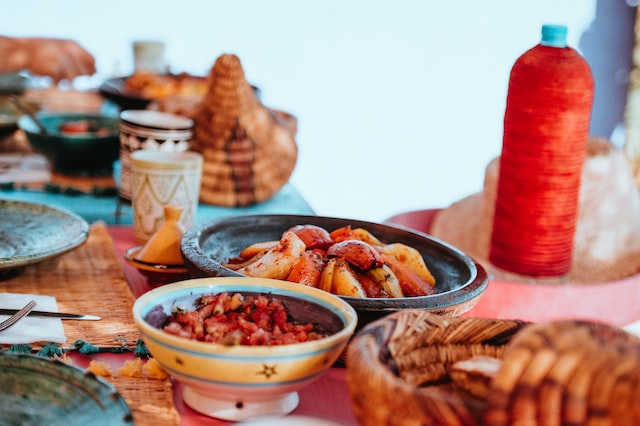
Restaurants serve seasonal dishes like lamb tagine or pumpkin soup at fair prices, and activities like hot air ballooning over Marrakesh or surfing in Taghazout are less booked up, with more last-minute options. Trains and buses run reliably, even to remote spots like Ouarzazate.
With stable weather, you won’t face summer’s heat exhaustion or winter’s muddy paths. You can focus on savoring Morocco’s magic—whether it’s a hammam in Rabat or a sunset over the Anti-Atlas—without logistical hiccups.