Travelers Cancel International and Domestic Trips Over Security Fears and Airport Chaos

As participants in Amazon Associates and other programs, we earn from qualifying purchases. This comes at no additional cost to you. For more details, see our Affiliate Disclosure.
Rising geopolitical tensions, extended security lines and higher airfares have prompted a segment of travelers to cancel or postpone planned journeys. Bookings for transatlantic routes show measurable declines while some passengers cite safety warnings and operational disruptions as decisive factors. The combination has created hesitation even among frequent flyers.
Europe-to-U.S. summer 2026 bookings fell 15.34 percent year over year while U.S.-to-Europe bookings dropped 11.19 percent. Bookings from Australia to Europe avoiding Middle Eastern hubs rose 48.6 percent since late February. FIFA World Cup 2026 travel from Europe to North American host cities declined 6.7 percent with sharper drops to certain U.S. gateways.
Kara Richardson, a Georgia-based travel content creator, canceled a mid-March trip to California after FBI alerts regarding potential Iranian-linked threats and a Southwest Airlines security diversion. She cited four-hour-plus TSA waits at Atlanta, the world’s busiest airport, and elevated fares as additional barriers. Richardson normally travels five to six times annually but chose to stay home.
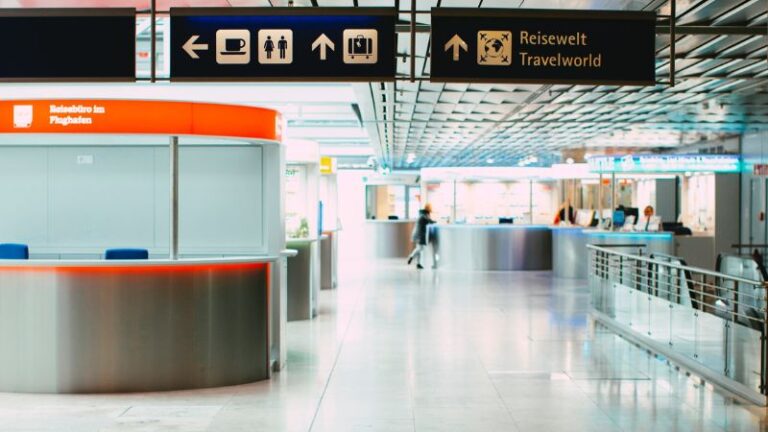
Long security queues have worsened amid a partial government shutdown that increased TSA absence rates. Wait times reached four to six hours at several large airports, causing missed connections and forcing passengers to arrive overnight in some cases. The recent fatal runway collision at LaGuardia Airport between an Air Canada jet and a Port Authority fire truck further amplified concerns over air traffic coordination.
Kate Swarthout, a California resident who flies monthly for work, proceeded with an international trip to New Zealand but reported heightened anxiety during domestic legs. She referenced lingering memories from the September 11 attacks and now reconsiders short-haul U.S. flights. Coping techniques such as meditation helped her complete the journey yet did not eliminate overall unease.
Jet fuel price increases tied to regional conflicts have contributed to fare hikes passed directly to consumers. Some travelers report last-minute change fees exceeding original ticket costs on major carriers. Canadian media coverage of the LaGuardia incident has spotlighted U.S. air traffic control staffing shortages and prompted additional caution among cross-border passengers.
The trend appears most pronounced for discretionary leisure and event travel rather than essential business trips. Airlines and airports continue to issue advisories urging early arrival and real-time monitoring of wait times. No broad recovery in canceled segments has materialized in the immediate days following the latest alerts and disruptions.
Passengers holding existing reservations should review airline policies on rebooking and refunds. Alternative routing that bypasses high-risk hubs or congested facilities may mitigate some exposure. Further shifts in demand will depend on resolution timelines for the government funding impasse and developments in international security situations.