20 Things You Need to Know about Croatia before You Visit
As participants in Amazon Associates and other programs, we earn from qualifying purchases. This comes at no additional cost to you. For more details, see our Affiliate Disclosure.
Croatia is easy to love, from sparkling Adriatic islands to stone built old towns. A little planning goes a long way here, since seasons, transport, and local rules can shape what you see and how you get around. These tips keep things practical so you can spend less time guessing and more time enjoying the coast, national parks, and lively cities.
You will find clear differences between the coast and the interior, and between high season and shoulder season. Learn how money works, how to move between islands and cities, and what to expect with parks, beaches, and historic sites. With the basics set, you can choose routes, book the right tickets, and travel with fewer surprises.
You will use the euro
Croatia uses the euro for cash and card payments. ATMs are common in cities and on larger islands, and cards are widely accepted in hotels, restaurants, and supermarkets.
It helps to carry some small coins for parking meters, market stalls, and public toilets. Dynamic currency conversion on card machines is common, so choose to pay in euros to avoid extra fees.
Croatia is in the Schengen Area
There are no routine passport checks when arriving from most neighboring Schengen countries by land or air. You still need an ID or passport, and non EU visitors must check visa rules before traveling.
Land borders with non Schengen neighbors can have queues in peak season. Allow extra time if your route includes a non Schengen crossing.
The Pelješac Bridge changes southern routes
The Pelješac Bridge connects the Croatian mainland with the far south near Dubrovnik. Many drivers no longer need to pass through the short coastal strip of Bosnia and Herzegovina to reach the Dubrovnik area.
This route saves time in summer when border queues were common. Check your navigation settings so the bridge option is selected before you set off.
Peak season is July and August
Coastal towns and islands are busiest in July and August. Prices rise, ferries sell out, and restaurant waits are common.
May, June, September, and early October bring warm weather with fewer crowds. National park trails and old towns feel calmer, and you have more flexibility with bookings.
Weather differs by region
The Adriatic coast has hot summers and mild winters with a lot of sunshine. Inland areas like Zagreb are cooler in winter and can see snow.
Local winds matter near the sea. The bura can bring strong dry gusts that may delay ferries, while the jugo can bring humid air and waves that affect small boat trips.
Ferries and catamarans are the backbone of island travel
Large car ferries connect mainland ports to bigger islands, while fast catamarans serve foot passengers on longer hops. Summer timetables add extra departures and more routes.
Buy tickets in advance in high season, especially for cars. Arrive early for popular sailings and note that foot passenger catamarans do not take vehicles.
Buses beat trains for many routes
Intercity buses are frequent and reach most coastal towns and national park gateways. They are usually faster and more direct than trains for coastal travel.
Train routes work well between Zagreb and major inland cities, and there is a seasonal service to Split. For Dubrovnik, expect to use buses, ferries, or flights rather than trains.
Driving is straightforward but highways have tolls
Croatian motorways use a ticket and pay system. You take a ticket when entering and pay when exiting with cash or card.
An electronic device called ENC offers discounts and dedicated lanes on some routes. Fuel stations are frequent on major roads, and headlights, seat belts, and child seat rules are enforced.
Old towns are largely car free
Historic centers like Dubrovnik and Split are pedestrian zones or have restricted access. Hotels inside these areas often give arrival instructions and indicate drop off points outside the walls.
Plan to park in public garages or designated lots and walk in. If you have heavy bags, check whether your hotel offers porter service or a nearby meeting spot.
Ride hailing and taxis are widely available
Ride hailing apps operate in major cities and many coastal towns in summer. The apps show estimated fares and pickup points, which helps during busy evenings.
Official taxis use meters. If you are taking a taxi from a rank, confirm the approximate fare or that the meter will be used before you start the ride.
Basic Croatian phrases help
Croatian is the official language, and English is widely spoken in tourist areas. Simple words go a long way, including Dobar dan for good day, Hvala for thank you, and Molim for please or you are welcome.
Signs in transport hubs and attractions often include English. Menus frequently list English translations, especially on the coast and in larger cities.
Tap water is safe and pharmacies are easy to spot
Tap water is safe to drink in cities and most towns. On small islands or during heat waves, local authorities may issue advice, so follow posted notices.
Pharmacies are called ljekarna and are marked with a green cross. For emergencies call 112, which connects you to police, fire, and medical services.
Power plugs and mobile data are simple
Sockets are the European standard Type C and Type F with 230 volts. Bring a universal adapter if your devices use a different plug.
EU visitors benefit from roam like at home rules with many carriers. Local prepaid SIM and eSIM options are easy to buy from major networks for longer stays.
Beaches are mostly pebbly
Many Croatian beaches are pebble or smooth stone. Water shoes make swimming more comfortable and help with sea urchins on rocky entries.
Public beaches often have showers and changing cabins. Sunbeds and umbrellas are rented by the day, and you can also find free areas to lay a towel.
National parks need a bit of planning
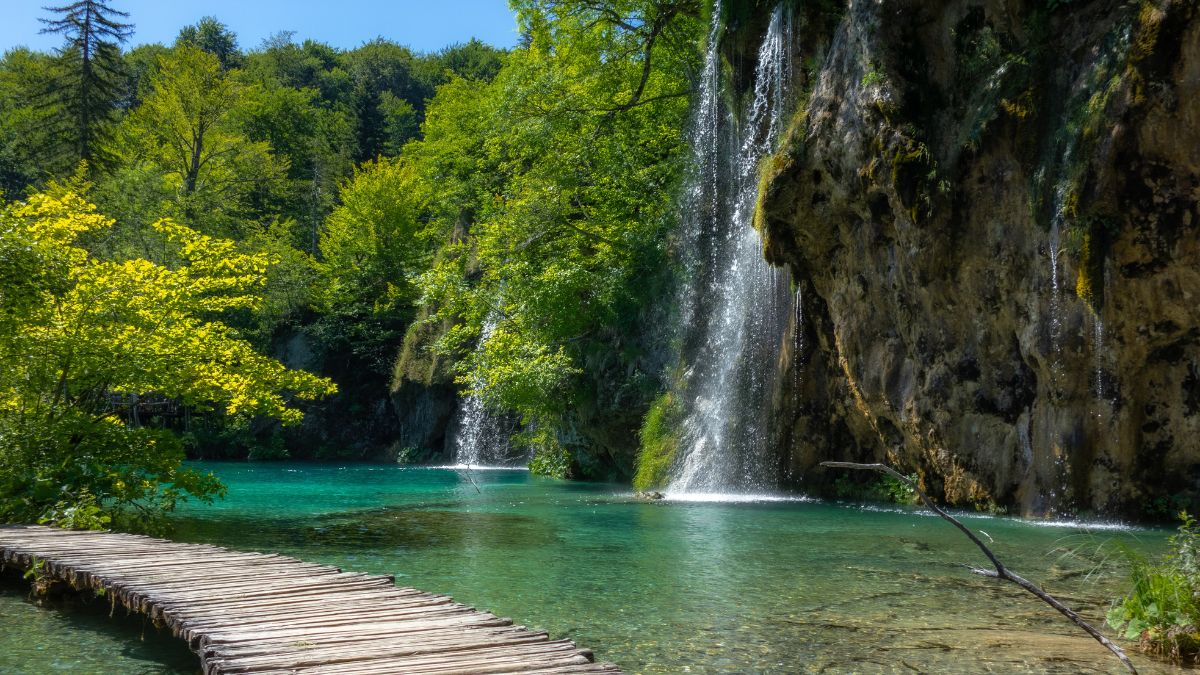
Plitvice Lakes and Krka are the most visited parks. Tickets can sell out on busy days, and entry times at Plitvice are controlled during peak season.
Stick to marked trails and boardwalks. Swimming is restricted or not allowed in many areas, so check current rules before you go.
Food follows regional traditions
On the coast you will see grilled fish, octopus salad, black risotto, and olive oil from local groves. Inland menus feature roast meats, stews, and fresh cheeses.
Istria is known for truffles and pasta dishes, while Dalmatia serves specialties like peka, a slow cook method under a bell shaped lid. Ask for daily catches and house olive oil where available.
Paying and tipping are straightforward
Menu prices include tax, and most places accept cards. Small kiosks, bakeries, and market stalls may prefer cash, so keep a few small notes and coins.
Tipping is appreciated but not mandatory. Rounding up or leaving about ten percent is common at sit down restaurants when service is good.
Church and heritage site etiquette matters
Many churches and monasteries ask for modest dress, especially shoulders and knees covered. Bring a light scarf or cover up for visits during hot weather.
Do not touch artifacts, and follow photo rules where flash is not allowed. In small village churches, be respectful if services are in progress.
Respect old stone streets and walls
Historic centers use polished limestone and marble that can be slippery when wet. Wear shoes with good tread and take care on stairs and steep lanes.
Sitting on fragile walls or climbing restricted areas can damage heritage and may result in fines. Use designated viewpoints for photos.
Safety is generally good with normal precautions
Violent crime against visitors is rare. Pickpocketing can occur in crowded places, ferry lines, and busy bus stations, so keep valuables secure.
Only use official or clearly marked paths for cliff and coastal walks. Check sea conditions before renting kayaks or small boats, especially when winds pick up.
Island stays benefit from early bookings
Popular islands like Hvar, Brač, Korčula, and Vis fill up in summer. Book ferries, rentals, and lodging in advance, especially if you are bringing a car.
Schedules thin out in spring and autumn. Check first and last sailings of the day so you are not stranded, and note that some routes are seasonal.
Zagreb is a great entry point
Many international flights arrive in Zagreb, which has good links to Plitvice, Istria, and the coast. The city has a reliable tram network and walkable center.
If you plan a loop, consider arriving in Zagreb and departing from Split or Dubrovnik. Open jaw tickets can save backtracking time during a short trip.
Cashless parking and zones are common
Street parking often uses pay by phone or machine options that require a license plate number. Save your receipt or confirmation in case an attendant checks.
Some towns have color coded zones with time limits. Public garages are a safe bet for longer stays near old towns.
Sea tours depend on weather
Popular boat trips include blue cave visits, island hopping, and sunset sails. Operators may cancel or adjust routes if winds or waves increase.
If a tour matters to your plans, book early and choose a refundable rate. Morning departures are often calmer in summer, which helps with small boat comfort.
Wine, olive oil, and cheese make great local finds
Dalmatia and Istria produce respected wines, including Plavac Mali, Pošip, Malvazija, and Teran. Many wineries welcome visitors with tastings and direct sales.
Olive oil from Istria and Pag cheese are popular souvenirs. Pack bottles and cheeses in checked luggage and mind airline liquid rules.
Accessibility varies by location
Newer hotels and public buildings have ramps and elevators, while historic centers can have steps, narrow alleys, and uneven stones. Research hotel entrances and room layouts if mobility is a concern.
Many museums publish accessibility details. In larger cities, low floor trams and buses operate on main routes, and taxi vans can be booked in advance.
Public water and sun safety are important
Fountains marked as potable provide refill points in many towns. Carry a reusable bottle and refill to cut plastic waste.
The summer sun is strong on the coast. Use sunscreen, seek shade at midday, and bring a hat and sunglasses for long days outside.
Respect local regulations on camping and fires
Wild camping outside designated areas is not allowed. Use official campgrounds, which are well equipped and often close to beaches.
Open fires are restricted due to summer wildfire risk. Follow posted signs and use approved barbecue areas where provided.
Share your best Croatia tips or questions in the comments so fellow travelers can plan smarter.