Best Time to Visit Croatia
As participants in Amazon Associates and other programs, we earn from qualifying purchases. This comes at no additional cost to you. For more details, see our Affiliate Disclosure.
Croatia’s stunning coastline, historic towns, and emerald islands make it a gem of the Adriatic. The best time to visit Croatia is late spring (May to June) or early autumn (September to October), when warm weather, fewer crowds, and vibrant local life create the perfect setting for exploring. You’ll wander Dubrovnik’s ancient walls or sail to Hvar with pleasant temperatures and clear skies, avoiding the summer rush.
These months offer a sweet spot for soaking in Croatia’s charm, from Plitvice’s waterfalls to Split’s lively markets. Whether you’re sipping wine in Istria or kayaking around Korčula, late spring and early autumn let you experience the country at its most inviting. Let’s dive into why these seasons shine and how to plan your Croatian adventure.
Weather That Feels Just Right
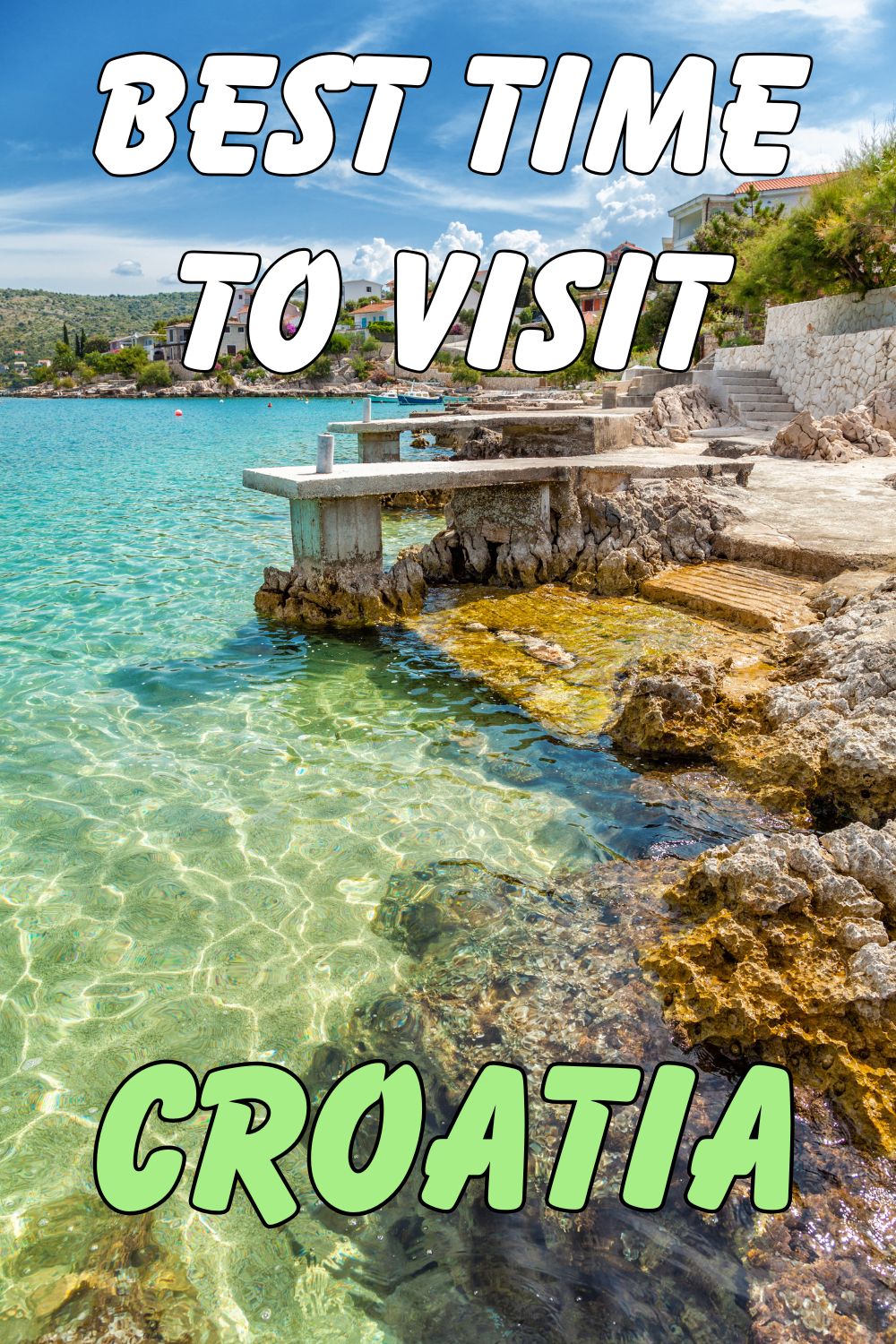
Late spring and early autumn bring Croatia’s most comfortable weather, with temperatures between 18-26°C. You can stroll through Zagreb’s cobblestone streets or hike Krka National Park’s trails without the summer’s intense heat or winter’s chill. Coastal spots like Zadar or Rovinj are sunny, with warm seas perfect for swimming by September.
Mornings are crisp, ideal for exploring Diocletian’s Palace in Split before the midday warmth. Evenings cool off, making dinner at a seaside konoba or a sunset walk along Dubrovnik’s Stradun feel magical.
Unlike July and August’s 30°C+ humidity or the wetter off-season, these months keep you comfortable for outdoor adventures. A light sweater is enough to enjoy everything from island-hopping to vineyard tours.
Quieter Streets, Deeper Connections
Summer floods Croatia’s hotspots with cruise ships and beachgoers, but May, June, September, and October offer breathing room. Iconic sites like Dubrovnik’s Old Town or Plitvice Lakes are less crowded, letting you linger at viewpoints or snap photos without a mob. Islands like Vis or Mljet feel serene, with space to explore hidden coves.
Towns like Trogir or Šibenik buzz with local life, and you can chat with fishermen at markets or grab a table at a family-run restaurant without a reservation. Ferries to Brač or Hvar run frequently, making island trips smooth and uncrowded.
These seasons let you tap into Croatia’s heart. You might join locals for a coffee in Pula’s Roman Forum or stumble upon a small village festival, feeling like you’re part of the scene.
Festivals and Cultural Delights
Late spring and early autumn are alive with Croatian traditions. May’s Feast of St. Duje in Split fills the city with processions, music, and seafood feasts, celebrating its patron saint. September’s grape harvests in Istria spark wine festivals, where you can sip malvazija and sample truffle dishes in towns like Motovun.
Summer’s end brings events like the Špancirfest in Varaždin, blending street art, concerts, and local crafts. Coastal towns host klapa singing performances, where haunting harmonies echo through old stone squares.
Markets brim with figs, olives, and fresh pršut, and you can join olive oil tastings or learn about Dalmatian cuisine at a cooking class. These months make it easy to dive into Croatia’s warm, welcoming culture.
Nature’s Best Moments
Croatia’s landscapes shine in these seasons. Plitvice Lakes and Krka National Park are lush and vibrant, with waterfalls at full flow in spring and golden hues in autumn. Hiking trails in Paklenica or biking paths on Rab Island are quiet, with mild weather perfect for exploring.
The Adriatic sparkles, especially around the Kornati Islands, where you can kayak or sail through crystal waters. Dolphins and sea turtles are often spotted off Lošinj, and birdwatching in Kopački Rit thrives as migratory species pass through.
For beach lovers, spots like Zlatni Rat on Brač or Sveti Ivan in Cres offer warm seas and soft sands without towel-to-towel crowds. Whether you’re snorkeling or wandering lavender fields in Hvar, nature feels alive and accessible.
Travel Made Affordable
May, June, September, and October are kinder on your wallet. Flights to Zagreb or Split can be 15-25% cheaper than peak summer, and accommodations—from guesthouses in Zadar to apartments in Dubrovnik—offer better rates. You’ll find deals on boat rentals or guided tours, too.
Restaurants lower prices slightly, so you can savor fresh octopus peka or black risotto without the high-season markup. Activities like wine tastings in Pelješac or kayaking in Makarska are more budget-friendly, with less competition for bookings.
With fewer visitors, you can snag last-minute ferry tickets or join a day trip to Lokrum Island. The stable weather means no canceled plans, letting you focus on enjoying Croatia’s beauty without breaking the bank.