Best Time to Visit Turkey
As participants in Amazon Associates and other programs, we earn from qualifying purchases. This comes at no additional cost to you. For more details, see our Affiliate Disclosure.
Turkey’s ancient ruins, vibrant bazaars, and turquoise coastlines make it a destination that bridges continents and captivates the senses. The best time to visit Turkey is spring (April to May) or autumn (September to October), when mild weather, fewer crowds, and colorful landscapes create the perfect setting for exploring. You’ll wander Istanbul’s Hagia Sophia, sail along Antalya’s shores, or hike Cappadocia’s fairy chimneys with comfortable temperatures and a lively local vibe.
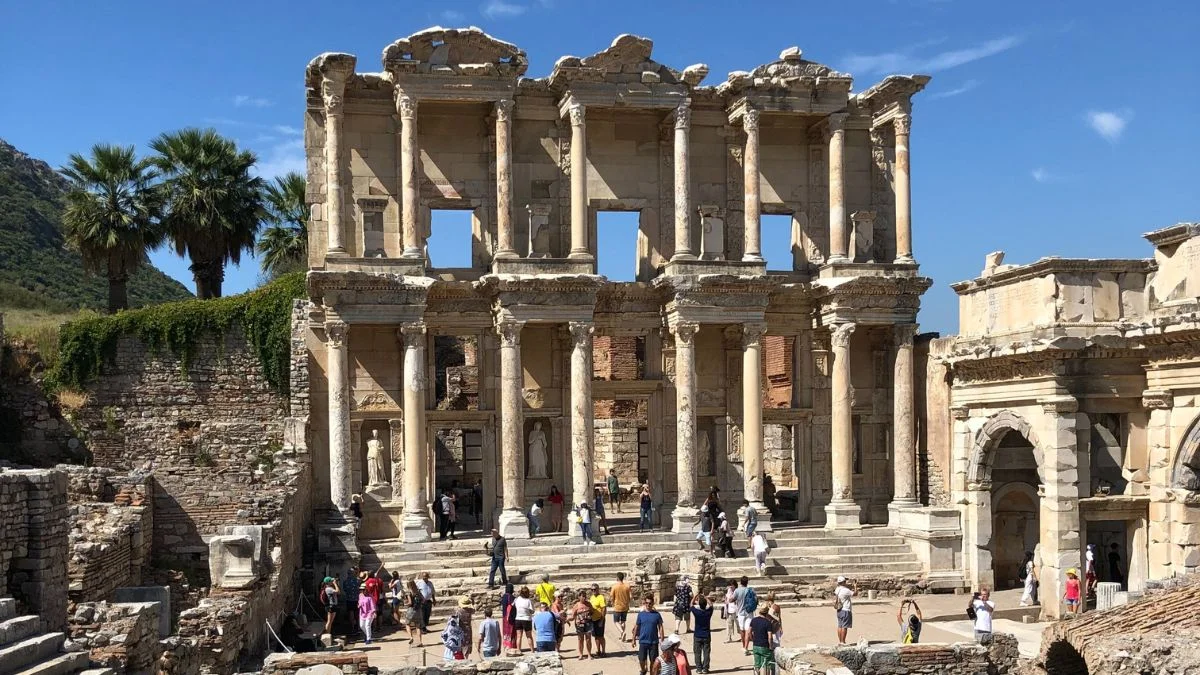
These seasons let you soak in Turkey’s diverse regions, from the Black Sea’s lush hills to Ephesus’s marble ruins. Whether you’re sipping çay in a village or tasting baklava in Gaziantep, spring and autumn make every moment unforgettable. Let’s dive into why these months shine and how to plan your Turkish adventure.

Weather That Feels Just Right
Spring and autumn bring Turkey’s most pleasant weather, with temperatures between 15-25°C across most regions. You can explore Pergamon’s acropolis or stroll Bodrum’s marina without summer’s 35°C heat or winter’s chill. Coastal areas like Fethiye are warm enough for swimming in September, with refreshing Mediterranean breezes.
Mornings are crisp, ideal for balloon rides over Cappadocia’s valleys or visiting Safranbolu’s Ottoman houses before the midday sun. Evenings cool off, perfect for kebab dinners in Adana or sunsets over the Bosphorus.
Unlike July’s scorching days or January’s rains, these seasons keep you comfortable for outdoor adventures. A light jacket or scarf is all you need to roam from mosques to mountains.
Quieter Paths, Local Soul
Summer packs Turkey’s hotspots—think Pamukkale’s travertines or Antalya’s beaches—with visitors, but spring and autumn offer more space. You’ll linger at Troy’s ancient walls or Konya’s Mevlana Museum without weaving through crowds. Smaller towns like Amasya or Şirince feel intimate, with locals sharing stories over simit and coffee.
The Turquoise Coast’s coves and Lycian Way trails see fewer tour groups, making boat trips or guided hikes more personal. Even popular spots like Istanbul’s Grand Bazaar have a relaxed pace, with room to haggle.
These months let you tap into Turkey’s heart. You might join a lokum-making session in Afyon or browse carpets at a Mardin market, feeling like you’re part of the daily rhythm.
Festivals and Cultural Riches
Spring and autumn burst with Turkish traditions. April’s Tulip Festival in Istanbul blankets parks like Emirgan with colorful blooms, music, and street food. September’s Aspendos Opera and Ballet Festival brings performances to a Roman amphitheater, blending history with art.
May’s Hıdrellez celebrates spring with bonfires and folk dances, vibrant in Edirne, while October’s Cappadocia Arts Festival showcases pottery, music, and local wines. Coastal towns host olive harvest fairs, with fresh oils and meze.
Markets brim with figs, pistachios, and handmade kilims, and you can join cooking classes in Izmir or tile-painting workshops in Kütahya. These seasons make it easy to dive into Turkey’s flavors and heritage.
Nature’s Vibrant Canvas
Turkey’s landscapes glow in these seasons. Spring’s wildflowers blanket Göreme and the Black Sea hills, perfect for hiking or biking along the Kackar Mountains. September’s vineyards in Thrace turn golden, ideal for wine tastings or scenic drives.
Wildlife thrives—sea turtles nest in Dalyan, easily spotted on boat tours, while flamingos flock to Lake Tuz in spring. The Aegean’s beaches, like Ölüdeniz, are warm and clear for kayaking or paragliding.
For adventure, try rafting in Köprülü Canyon or hot air ballooning in Pamukkale. The mild weather makes every moment—from olive grove walks in Ayvalık to stargazing in Nemrut—feel alive and effortless.
Travel Made Smoother
Spring and autumn are kinder on your wallet than peak summer. Flights to Istanbul or Izmir can be 10-20% cheaper, and accommodations—from pensions in Selçuk to boutique hotels in Alaçatı—offer better rates. You’ll find deals on bus passes or guided tours, too.
Restaurants serve seasonal dishes like lamb tandir or stuffed peppers at fair prices, and activities like yacht cruises in Bodrum or treks in Kaçkar are less booked up, with more last-minute options. Day trips to Sumela Monastery or Patara run smoothly with stable weather.
With milder conditions, you won’t face summer’s crowded beaches or winter’s foggy delays. You can focus on savoring Turkey’s magic—whether it’s a Turkish coffee in Beyoğlu or a sunset over Ephesus—without a hitch.