The Great Barrier Reef’s Glowing Corals and Secret Shipwrecks
As participants in Amazon Associates and other programs, we earn from qualifying purchases. This comes at no additional cost to you. For more details, see our Affiliate Disclosure.
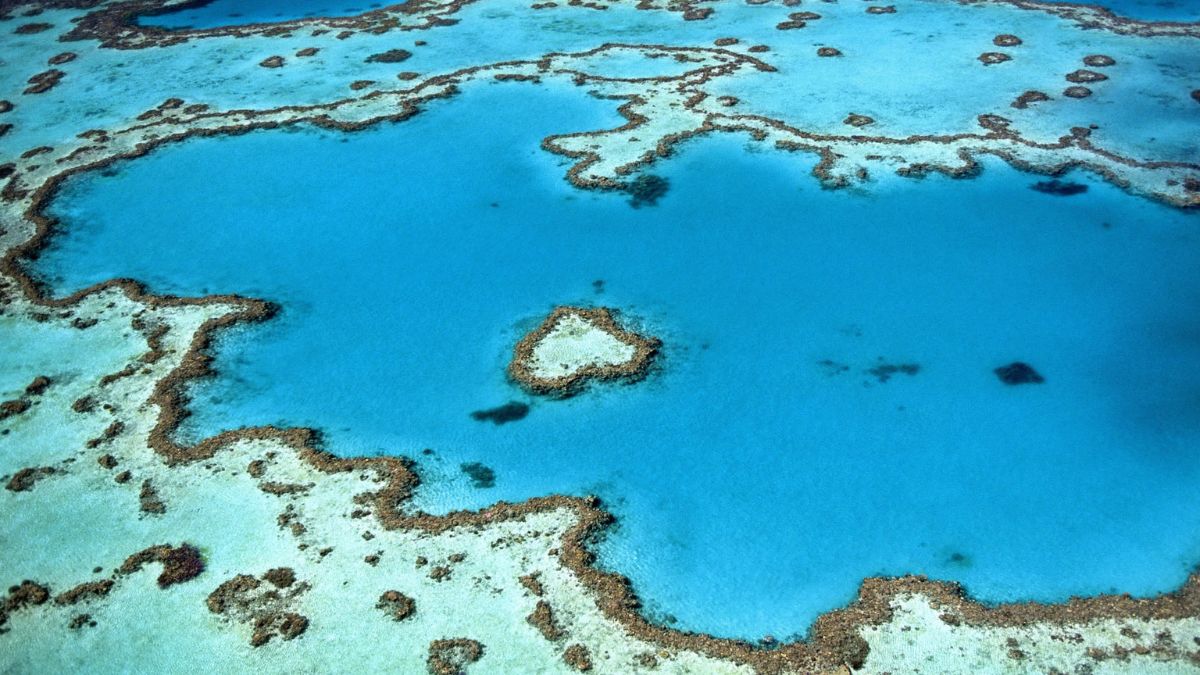
I’m totally hooked on the Great Barrier Reef off Australia’s Queensland coast. This isn’t just a dazzling underwater wonder—it’s a living, breathing ecosystem packed with quirky facts and hidden stories that make it way more than a snorkeling paradise. Stretching over 1,400 miles with more than 2,900 reefs, it’s the world’s largest coral system, a UNESCO World Heritage Site, and its wild details keep me obsessed.
The reef is a kaleidoscope of life, home to 1,500 fish species, from clownfish to giant groupers, and 400 types of coral. But here’s a mind-blowing quirk: some corals glow in the dark. At night, certain species emit neon blues, greens, and pinks through bioluminescence, a chemical trick to attract prey or scare off threats. Divers with special lights can see this underwater light show, and it’s like swimming in a sci-fi movie. Imagine corals pulsing like living lanterns.
Another wild fact? The reef hides hundreds of shipwrecks. Over centuries, storms and tricky currents sank everything from 19th-century merchant ships to World War II vessels. The SS Yongala, wrecked in 1911, is now a coral-crusted haven for fish and divers, sitting 100 feet underwater. Some wrecks are so overgrown you’d mistake them for reefs, blending history with nature in a ghostly underwater museum.
Here’s a quirky bit: the reef has its own mailbox. Near Agincourt Reef, divers can send waterproof postcards from an underwater postbox, stamped with a special marine cancel. It’s a fun nod to the reef’s role as a global icon, letting you mail a note from the ocean floor. The reef also supports six turtle species, and watching a 500-pound green turtle glide by feels like meeting a dinosaur.
The Great Barrier Reef wasn’t always underwater. About 20,000 years ago, during the Ice Age, it was dry land with hills and valleys. As sea levels rose, corals grew over it, creating today’s vibrant system. But it’s taken hits—climate change bleaches corals, turning them ghostly white when stressed, and cyclones batter the reefs. Indigenous groups like the Kuku Yalanji have managed the reef for millennia, using traditional knowledge to fish sustainably, and their stories add depth to every visit.
Explorers like Captain Cook crashed into the reef in 1770, leaving journals about its dangers. Today, 2 million visitors yearly snorkel, dive, or sail its turquoise waters, though over-tourism and pollution threaten its health. Australia’s working hard to protect it, with marine parks and coral restoration projects. If you go, dive at night to catch the glowing corals or explore a wreck like the Yongala. The Great Barrier Reef’s a glowing, ship-strewn wonder, alive with secrets and stories that make every splash unforgettable.