The Galápagos Islands’ Dancing Birds and Volcano Secrets
As participants in Amazon Associates and other programs, we earn from qualifying purchases. This comes at no additional cost to you. For more details, see our Affiliate Disclosure.
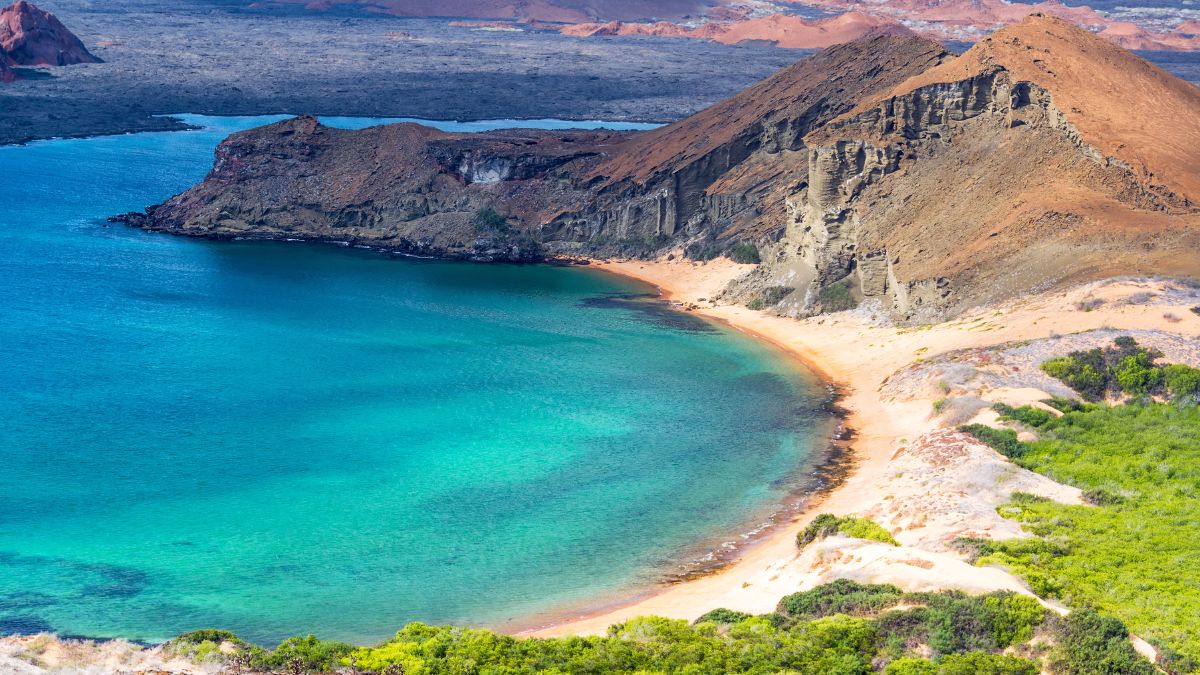
I’m totally obsessed with the Galápagos Islands, a remote volcanic archipelago 600 miles off Ecuador’s coast. This isn’t just a wildlife paradise—it’s a living lab of evolution, packed with quirky animal antics and geological surprises that make it way more than a nature getaway. Formed by volcanic eruptions millions of years ago, this UNESCO World Heritage Site inspired Charles Darwin’s theory of evolution, and its wild details keep me hooked.
The Galápagos is famous for its unique critters, like the blue-footed booby. These birds steal the show with their bright turquoise feet, which males flash in a goofy mating dance, high-stepping like they’re auditioning for a comedy. It’s hilarious and oddly charming. Then there are the giant tortoises, some weighing 500 pounds and living over 100 years. Each island has its own tortoise type, with shells shaped differently—domed or saddle-backed—to suit their terrain. Watching one lumber along feels like meeting a prehistoric grandpa.
Here’s a wild quirk: the islands are still growing. Volcanic eruptions, like one on Fernandina Island in 2020, keep adding land. Lava tunnels, formed when molten rock cools, snake underground, some big enough to walk through. One tunnel on Santa Cruz is over a half-mile long, with eerie, dripping walls. The islands sit on a tectonic hotspot, so they’re literally born from fire, and standing on fresh lava fields feels like stepping onto a newborn planet.
Another cool fact? The Galápagos has marine iguanas that sneeze salt. These lizard-like creatures dive into the ocean to munch algae, then snort out excess salt through their noses, leaving white crusts on their faces. It’s gross but fascinating, like nature’s weirdest superpower. The islands also hide shipwrecks from whalers and pirates, some from the 1800s, scattered along rocky shores and explored by divers today.
The islands’ isolation shaped their oddball wildlife, but humans brought trouble. Sailors once hunted tortoises to near extinction, and introduced goats and rats wrecked habitats. Conservation since the 1959 national park designation has helped—tortoises are rebounding, and invasive species are being culled. Darwin’s finches, with beaks tweaked for different foods, still show evolution in action.
Today, 250,000 visitors yearly sail or hike the islands, tightly regulated to protect the ecosystem. Climate change and illegal fishing threaten reefs, but rangers and scientists fight back. If you go, watch blue-footed boobies dance on Española Island at dawn, or explore lava tunnels on Santa Cruz. The Galápagos is a quirky, fiery wonder—dancing birds, sneezing iguanas, and volcanoes that keep reshaping this evolutionary playground.