10 Best Summer Destinations in Argentina for Patagonian Landscapes, Wine, and Tango Culture
As participants in Amazon Associates and other programs, we earn from qualifying purchases. This comes at no additional cost to you. For more details, see our Affiliate Disclosure.
Argentina is a land of dramatic contrasts, offering incredible possibilities for summer travel between December and February. Finding the best summer destinations in Argentina often means choosing between awe-inspiring Patagonian landscapes, sipping Malbec in sunny wine regions, or diving into the passionate world of Tango culture in its birthplace. The country truly unfolds under the southern summer sun.
From the glaciers and peaks of the far south to the vineyards nestled against the Andes and the vibrant pulse of its capital city, Argentina presents a huge range of experiences. You can easily combine outdoor adventures with cultural immersion and sophisticated urban exploration, creating a rich and varied trip. Let’s explore ten fantastic places to consider for your Argentine summer adventure.

Buenos Aires
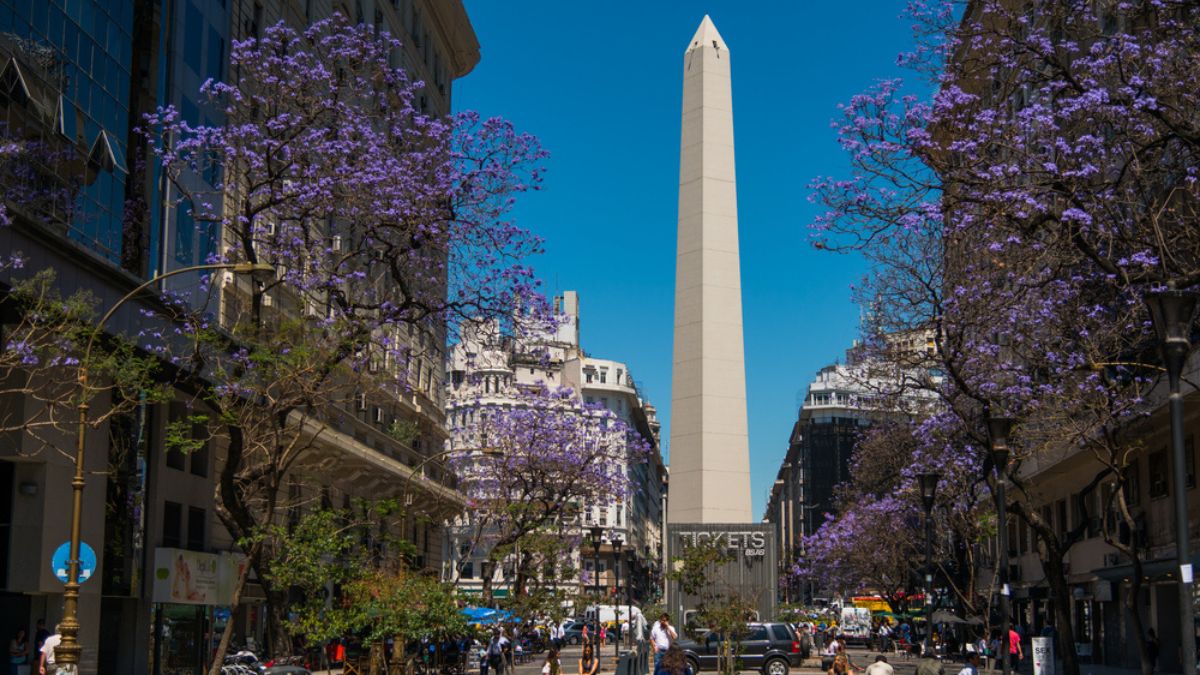
The heart of Argentina beats strong in Buenos Aires, especially in summer when the city buzzes with energy. This is the place to experience authentic Tango culture, perhaps by catching a show in San Telmo or even taking a lesson yourself. Explore diverse neighbourhoods like colourful La Boca, historic San Telmo with its Sunday market, or chic Palermo with its boutiques and parks.
Summer evenings are perfect for enjoying outdoor dining at a ‘parrilla’ (steakhouse) or relaxing in one of the city’s many plazas. Visit iconic sites like the Recoleta Cemetery and the ‘Casa Rosada’, or simply soak up the European-influenced atmosphere. While it gets hot, the city offers plenty of air-conditioned museums and cafes for midday escapes.
Mendoza
Mendoza is Argentina’s premier wine region, nestled against the stunning backdrop of the Andes mountains. Summer is a fantastic time to visit, with long sunny days perfect for touring vineyards in areas like Luján de Cuyo or the Uco Valley. Many wineries offer tastings, gourmet lunches, and tours explaining the Malbec winemaking process.
Beyond wine, the region offers outdoor activities like hiking, rafting on the Mendoza River, or simply enjoying the views of the snow-capped Andes (though snow cover might be less extensive in summer). The city of Mendoza itself has pleasant plazas and tree-lined streets, offering a relaxed base for exploring the surrounding wineries.
Bariloche (Patagonia)
Located in the northern Patagonian lake district, Bariloche is stunning in summer. Surrounded by glacial lakes like Nahuel Huapi and mountains, it’s a paradise for hikers and nature lovers. Drive the scenic ‘Circuito Chico’ route for incredible viewpoints, take a boat trip on the lake, or hike trails ranging from easy walks to challenging climbs like Cerro Campanario (accessible by chairlift too) for panoramic vistas.
The town has a distinct alpine feel with Swiss-style architecture and numerous chocolate shops – a legacy of its European immigrants. Summer is peak season here, so expect more visitors and book accommodation in advance. It’s a great introduction to the beauty of Patagonian landscapes.
El Calafate (Patagonia)
El Calafate is the gateway to Los Glaciares National Park and the magnificent Perito Moreno Glacier. Summer offers the best weather for visiting this region and witnessing the glacier’s immense power. You can view Perito Moreno from extensive walkways, take a boat trip to get closer to its towering ice walls, or even trek on the glacier itself (with guides).
Experiencing the thunderous crack and splash as huge chunks of ice calve off the glacier face into Lago Argentino is unforgettable. El Calafate itself is a functional town providing services for park visitors, but the glaciers and surrounding Patagonian landscapes are the undeniable stars.
El Chaltén (Patagonia)
Further north within Los Glaciares National Park lies El Chaltén, Argentina’s self-proclaimed national trekking capital. This small village sits at the foot of the iconic Mount Fitz Roy and Cerro Torre peaks. Summer provides the optimal conditions for hiking, with numerous trails starting right from the edge of town, leading to stunning viewpoints, glacial lakes like ‘Laguna de los Tres’, and challenging climbs.
El Chaltén has a laid-back, hiker-focused vibe. Trails range from short, easy walks to demanding full-day or multi-day treks. While Patagonian weather is always unpredictable, summer offers the longest daylight hours and the best chance for clear views of the dramatic mountain scenery.
Ushuaia (Patagonia)
Known as ‘The End of the World’, Ushuaia is the southernmost city in the world, dramatically located between the Martial Mountains and the Beagle Channel. Summer is the main season for visiting Tierra del Fuego National Park, where you can hike coastal trails, see diverse wildlife, and ride the scenic ‘End of the World Train’.
Ushuaia is also the primary departure point for expedition cruises to Antarctica, which operate during the southern summer (November to March). Explore the town’s museums detailing its penal colony history and maritime past, or take a boat trip on the Beagle Channel to see sea lions, penguins, and the iconic lighthouse.
Salta & The Northwest
Offering a complete contrast to Patagonia, Argentina’s Northwest region around Salta features stunning Andean landscapes with multi-coloured rock formations, high-altitude deserts, and a rich indigenous cultural heritage. Explore Salta city’s beautiful colonial architecture, visit the MAAM museum (home to remarkably preserved Inca child mummies), and perhaps take the scenic ‘Train to the Clouds’ route (check seasonal operation).
This region is also known for its high-altitude wines, particularly the aromatic white Torrontés, centred around the town of Cafayate. Driving routes like the one through the Quebrada de Humahuaca (a UNESCO site) reveal incredible geological formations and traditional villages like Purmamarca with its ‘Hill of Seven Colors’.
Iguazu Falls
Located in the northeast, bordering Brazil, Iguazu Falls is one of the world’s most spectacular natural wonders. Summer brings powerful water volume, creating an awe-inspiring display of cascading waterfalls surrounded by lush subtropical rainforest. Walkways on the Argentine side allow you to get incredibly close to the falls, including the mighty ‘Garganta del Diablo’ (Devil’s Throat).
Be prepared for heat and humidity during the summer months. Boat trips that take you right under some of the falls offer a thrilling (and soaking!) experience. While geographically far from Patagonia or Mendoza, Iguazu’s sheer scale makes it a popular addition to many Argentine itineraries.
Peninsula Valdés (Patagonia Coast)
This Patagonian coastal reserve is a UNESCO World Heritage site renowned for its marine wildlife. While the famous Southern Right Whales usually depart by December, summer is still a fantastic time to see other creatures. Magellanic penguins breed in huge numbers at nearby Punta Tombo (peak season is roughly Sept-Apr), and sea lions and elephant seals haul out on the peninsula’s beaches.
You might also spot orcas patrolling the shores, known for their unique hunting techniques here. The landscape itself is stark and windswept, offering a different perspective on Patagonia. Puerto Madryn is the main gateway town for exploring the peninsula.
Córdoba
Córdoba, Argentina’s second city, offers a blend of colonial history and youthful energy thanks to its large student population. Explore the historic Jesuit Block (Manzana Jesuítica), a UNESCO site showcasing well-preserved 17th-century buildings. The city has numerous museums, pleasant plazas, and a lively arts and nightlife scene.
Nearby, the Sierras de Córdoba mountain range provides opportunities for hiking, swimming in rivers, and visiting charming mountain towns like Villa General Belgrano (known for its German heritage) or La Cumbrecita (a pedestrian-only alpine village). It offers a different flavour of Argentine culture and landscape away from the main tourist trails.