The 10 Friendliest Cities in the World

As participants in Amazon Associates and other programs, we earn from qualifying purchases. This comes at no additional cost to you. For more details, see our Affiliate Disclosure.
Travelers love places where getting around is simple, questions get answered quickly, and everyday interactions feel easy. These cities stand out for practical things that help visitors right away, like clear transit systems, multilingual signs, and well run visitor centers. You can land without stress, find your bearings, and feel supported as you explore.
Each city below offers helpful services that make short stays and longer trips smoother. You will find details on transport cards, common languages, safety tips, and local etiquette that matter on day one. Use these notes to plan your routes, pick neighborhoods to stay in, and move confidently from one sight to the next.
Dublin, Ireland
The Leap Visitor Card covers Dublin Bus, Luas trams, and DART trains within the city, which makes transfers simple on a single pass. Signs and announcements are in English and stops are mapped clearly, so first time riders can follow along without confusion. The main tourist information center near Grafton Street provides paper maps and route advice that match the local network.
ATMs are easy to find in the center and most places take cards with contactless payments. Taxi ranks are marked near major streets and the airport runs frequent buses to downtown. Pubs and cafes keep regular hours and many spots offer live music in the evening, so planning meals and late returns is straightforward.
Kyoto, Japan
City buses and the subway use rechargeable IC cards such as ICOCA and Suica, which are sold at stations and convenience stores. Platform signs and digital displays list stations in Japanese and English and most announcements repeat station names clearly. Popular temple routes often run additional buses in peak seasons, which keeps travel times predictable.
Cash is still useful at small shops, while larger places accept major cards. Temples and shrines ask visitors to keep voices low and to step aside for worshippers, and shoes come off in certain buildings. Tap water is safe to drink and vending machines are common, which helps on long walking days.
Wellington, New Zealand
Metlink trains, buses, and ferries connect the region and the Snapper card works across most services. The central city is compact and walkable, with clear street signage and well marked crossings. The cable car links downtown to the botanic garden and residential hills, and runs on a frequent schedule that is easy to remember.
Visitor information is available downtown with free maps that highlight waterfront paths and viewpoints. Cafes open early and offer quick breakfasts, which helps if you plan a morning ferry or trail start. The climate changes quickly, so layers and a light rain jacket make city walks comfortable year round.
Porto, Portugal
The Andante card covers the metro, buses, and some suburban trains with zone based fares that are printed on station maps. Metro stations post clear diagrams of lines to the airport, the historic center, and riverfront areas. Elevators and long escalators help with steep hills, which makes luggage days easier.
Accommodation near Trindade or São Bento keeps you close to multiple lines and short walks to major sights. Supermarkets stock local SIM cards and snacks at normal prices, and ATMs are widely available. Many restaurants post menus in Portuguese and English and service remains steady through late evening hours.
Vancouver, Canada
The Compass Card works on SkyTrain, SeaBus, and buses, and tap in or out rules are shown on gates at each station. Trains run frequently on all lines and platform screens list arrivals in real time. Buses accept the same card balance, which makes transfers across neighborhoods predictable.
City parks and seawall paths are signed with distance markers, which helps plan loops by time rather than guesswork. Drinking water fountains and public washrooms are common in major parks. Most businesses accept tap to pay and pharmacies stock travel basics late into the evening.
Taipei, Taiwan
The EasyCard and iPASS cover the MRT, buses, and YouBike rentals with simple tap on and off steps. MRT maps show exits with numbers and nearby landmarks, which is useful when meeting drivers or guides. Elevators and priority seats are marked clearly and announcements run in Mandarin, Taiwanese, Hakka, and English.
Night markets operate most evenings and list prices at stalls, so ordering is quick even without Mandarin. Convenience stores sell transit top ups, SIM cards, and umbrellas, which helps in sudden rain. Public restrooms are clean and easy to find in stations and parks, which keeps long days comfortable.
Singapore, Singapore
The Singapore Tourist Pass offers unlimited rides on MRT and buses for set periods, and ticket machines show instructions in several languages. Stations have clear maps for exits linked to malls, hotels, and attractions, so you can use air conditioned routes for most of the day. Taxis and ride hailing are regulated and meter based, and airport transfers are direct on the MRT.
English is widely used in signs, menus, and services, alongside Malay, Mandarin, and Tamil. Laws keep public spaces clean and safe and fines apply for littering, which keeps sidewalks and stations tidy. Tap water is potable and hawker centers post ratings and opening hours, which makes meal planning easy.
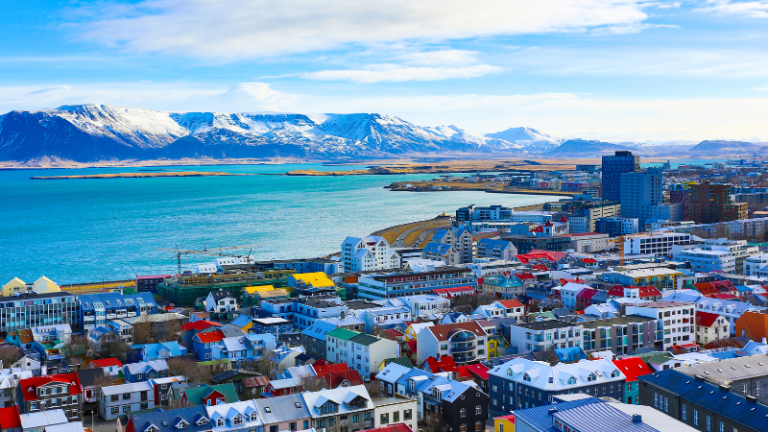
Reykjavik, Iceland
The Flybus and public coaches connect Keflavik Airport to Reykjavik with drop offs at central stops and main hotels. The Reykjavik City Card includes bus travel and museum entries within the capital area, which is useful if you plan a full day indoors during windy weather. Weather apps and local forecasts update frequently and wind speeds can be high, so secure outer layers are practical.
Credit cards are accepted almost everywhere and contactless works for small purchases. Tap water is safe and public pools welcome visitors with clear shower etiquette signs. Roads are well signed but winter conditions change quickly, so day tours with pickup often make more sense than self drives for short stays.
Edinburgh, Scotland
Lothian Buses and trams cover the city and the airport tram reaches the center in about half an hour. The same ticket machines handle tram and bus top ups and screens show live arrival times at stops. The old town and new town are walkable and main sights cluster along a straightforward spine, which keeps daily steps efficient.
Tourist information counters near Waverley Station offer paper maps and route advice that match bus numbers locals use. Card payments are standard in pubs and shops and ATMs are located along Princes Street and the Royal Mile. Museums have free entry with posted hours, which helps fill gaps between scheduled tours.
Chiang Mai, Thailand
Red songthaews run flexible routes and shared fares work well for short city trips, with prices posted at popular stops. Ride hailing operates widely and drivers usually accept pinned map locations, which helps in areas with similar street names. Many guesthouses rent bicycles and provide simple route maps to temples and the old city gates.
Temples ask visitors to cover shoulders and knees and to remove shoes before entering buildings. Markets open early and late, and food stalls display dishes and prices so ordering is quick. Pharmacies and 7 Eleven stores are common and stock travel basics, which keeps packing lists short.
Share your own friendly city experiences in the comments and tell us what practical tips helped you most.