Rising UAE Visa Rejections Leave Pakistani Travellers in Limbo
As participants in Amazon Associates and other programs, we earn from qualifying purchases. This comes at no additional cost to you. For more details, see our Affiliate Disclosure.
Pakistani applicants face rejection rates of 70 to 80 percent for first-time and single-entry Dubai visas, plunging travel plans into uncertainty amid opaque processing. Officials attribute the surge to concerns over document authenticity and potential criminal involvement, with AI verification systems flagging irregularities. This crackdown disrupts business trips, family visits, and leisure escapes for a diaspora of 2.27 million in the UAE.
Younger travellers under 40 or 45 encounter heightened scrutiny, as age becomes a proxy for intent. Applications lacking six-month bank statements showing around Rs3 million face immediate denial. Past overstays or unclear financial records compound issues, while travel agents report tampered data leading to blacklisting. Criminal backgrounds, even minor, trigger automatic refusals.
Family visas maintain an 80 percent approval rate, offering a workaround for sponsored reunions under new UAE laws. Single-entry permits, however, approve only 20 percent of submissions. Corporate sponsorships and event accreditations, such as for Gulfood or the Asia Cup, provide limited exemptions but still yield inconsistent outcomes. Applicants describe the process as a lottery, with repeated denials delaying resolutions by months.
Financial losses mount quickly, including non-refundable fees averaging $1,200 per application. One business executive forfeited $650 after two rejections, missing a key conference. Another journalist incurred nearly Rs100,000 in losses, unable to cover the Asia Cup. The newly launched UAE Visa Centre in Pakistan processes nearly 500 applications daily, yet backlogs persist.
Additional Interior Secretary Salman Chaudhry confirmed no formal ban on Pakistani passports exists. Restrictions stem from fears of visitors engaging in begging or crime, with visas granted sparingly after rigorous checks. Senator Samina Mumtaz Zehri echoed these concerns, noting a January 2025 unofficial closure over begging incidents.
Former UAE Ambassador Faisal Niaz Tirmizi highlighted AI-driven authenticity probes on educational credentials and attestations. A senior UAE embassy diplomat clarified that tampered agent data prompted a centralized biometric system rollout. Those affected must rectify records before reapplying.
In April 2025, UAE Ambassador Hamad Obaid Ibrahim Salem Al-Zaabi declared visa issues resolved, introducing five-year multiple-entry options. July 2025 brought assurances from UAE Lt Gen Sheikh Saif bin Zayed Al Nahyan for expedited processing via system linkages. Reforms now include online e-visas without passport stamping, aiming to streamline flows.
Travel agents in Lahore and Karachi refuse high-risk profiles, redirecting clients to alternatives like Turkey or Malaysia. Biometric desks at UAE centres capture fingerprints and iris scans for all submissions. Rejections often cite insufficient ties to Pakistan, requiring proof of employment or property ownership.
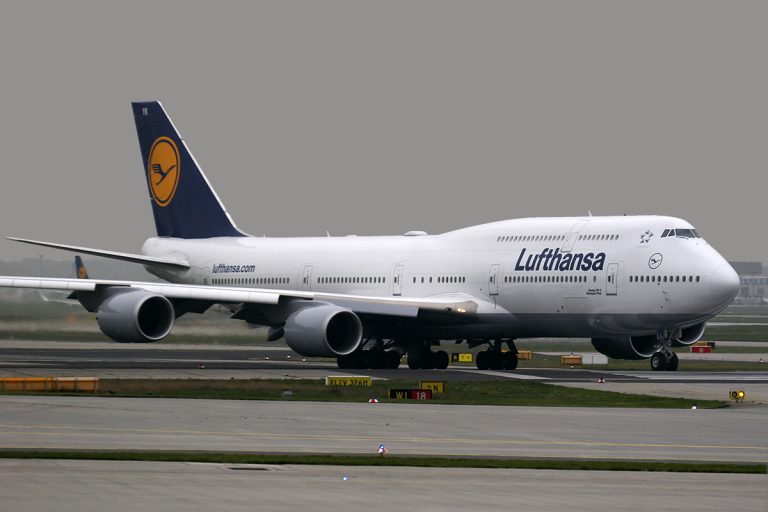
The policy aligns with broader Gulf scrutiny on South Asian inflows, where Pakistanis comprised 15 percent of UAE tourist arrivals in 2024. Daily flights from Karachi and Islamabad to Dubai carry 12,000 passengers weekly, but rejection ripples reduce load factors by 25 percent on affected routes. Airlines like Emirates and Flydubai report 18 percent fewer bookings from Pakistan since mid-2025.
Advocacy groups push for bilateral quotas, citing 1.2 million annual Pakistani visitors pre-crackdown. The UAE’s General Directorate of Residency and Foreigners Affairs processes 8 million visas yearly, with Pakistanis dropping to 4 percent of approvals. Applicants now face mandatory interviews for single entries over Rs500,000 in value.
This limbo exacerbates economic strains, as remittances from UAE-based Pakistanis total $4.5 billion annually. Missed opportunities in construction and trade sectors cost an estimated Rs50 billion in forgone deals. As winter travel peaks, families postpone holidays, opting for domestic routes via PIA. Officials promise quarterly reviews, but travellers remain grounded in procedural purgatory.