Grand Egyptian Museum Opens After Years of Delays
As participants in Amazon Associates and other programs, we earn from qualifying purchases. This comes at no additional cost to you. For more details, see our Affiliate Disclosure.
The Grand Egyptian Museum has officially opened its doors to the public on the Giza Plateau outside Cairo. The complex spans 500,000 square meters and displays over 100,000 ancient artifacts under one roof for the first time. Visitors gain unprecedented access to complete collections previously scattered across multiple sites.
Construction began in 2012 with an initial budget exceeding 1 billion US dollars. Multiple delays pushed the full opening to January 2026 following partial previews in prior years. The facility incorporates state-of-the-art conservation laboratories and climate-controlled galleries.
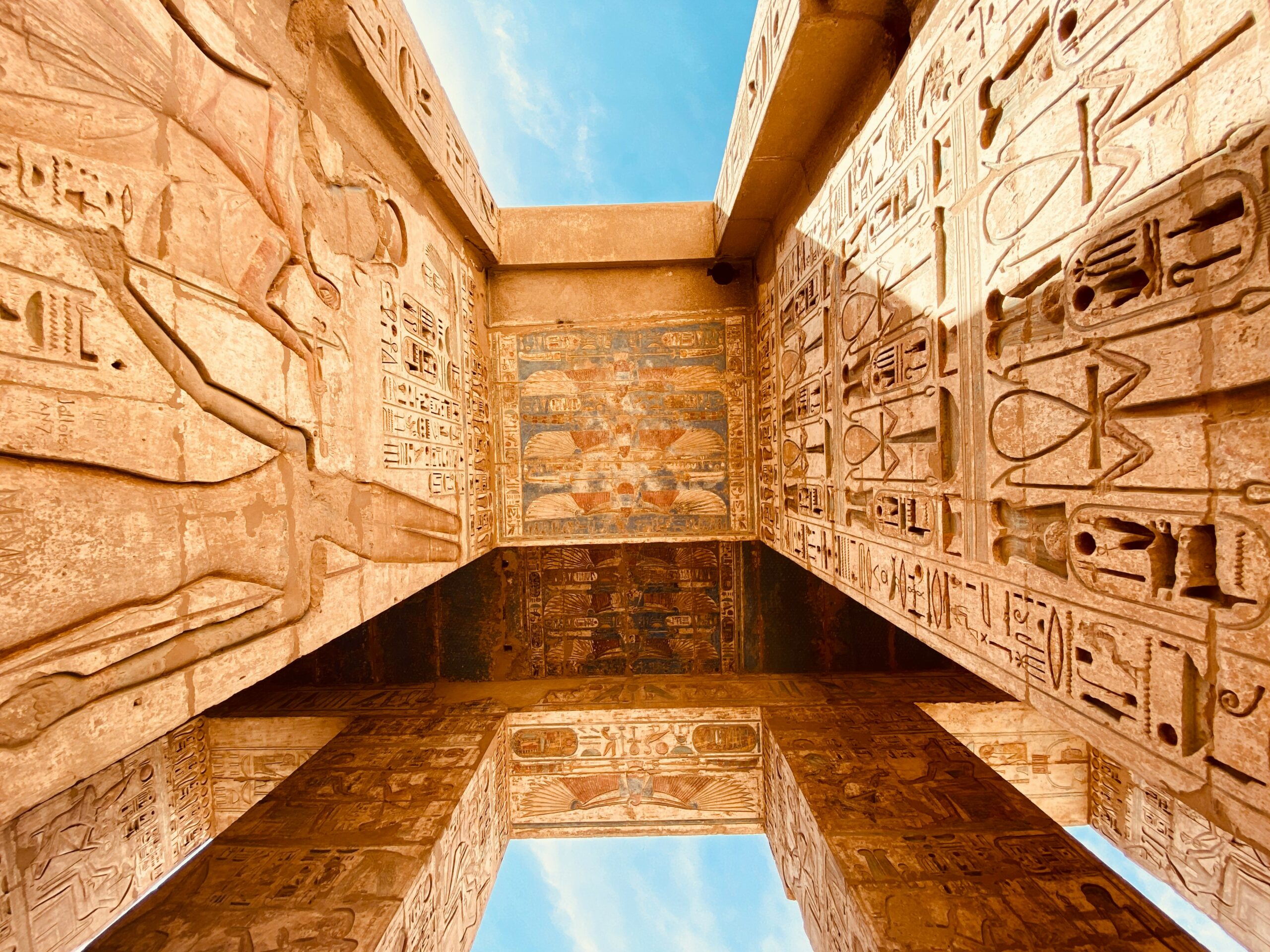
The centerpiece remains the complete Tutankhamun collection of 5,000 items including the golden mask. All objects from the boy’s tomb appear together permanently after decades in the Egyptian Museum in Tahrir Square. Hanging obelisks and colossal statues dominate the grand atrium visible from entrance halls.
Daily capacity reaches 15,000 visitors through timed ticketing systems mandatory for all entries. Standard adult tickets cost 600 Egyptian pounds with reduced rates for students and Egyptian nationals. Audio guides operate in ten languages alongside guided tour options.
Shuttle services connect the museum directly to the Giza Pyramids and Sphinx complex three kilometers away. Combined tickets facilitate seamless visits to both sites in single itineraries. On-site facilities include multiple restaurants, gift shops, and a children’s discovery center.
The atrium features the restored Khufu solar boat relocated from its original pyramid-side pit. Ten exhibition halls trace Egyptian history from pre-dynastic periods through Greco-Roman eras. Digital displays and interactive screens complement physical artifacts throughout galleries.
International loan agreements return key pieces previously held abroad for the opening. Conservation partnerships with global institutions supported restoration of fragile items. The museum employs over 3,000 staff including archaeologists, curators, and security personnel.
Cairo International Airport processes increased charter and scheduled flights coinciding with the launch. Major carriers add capacity from European hubs and Middle Eastern gateways. Hotel occupancy in Giza and central Cairo registers significant booking increases.
The development integrates into broader efforts to redistribute tourist flows from overcrowded downtown sites. Authorities project 5 million annual visitors within the first years of operation. Revenue streams support ongoing excavations and site preservation nationwide.
Accessibility features accommodate visitors with mobility needs through ramps, elevators, and dedicated pathways. Photography permits apply in designated zones excluding flash usage near sensitive artifacts. Operating hours extend from 9 AM to 5 PM daily with potential seasonal adjustments.
This opening establishes Egypt’s position with a world-class facility rivaling global institutions. Tour operators incorporate the museum into standard Nile cruise and pyramid packages. The complex fulfills decades-long plans to centralize and modernize artifact presentation for international audiences.