Navigating Your Trip Without Falling for Tourist Traps

As participants in Amazon Associates and other programs, we earn from qualifying purchases. This comes at no additional cost to you. For more details, see our Affiliate Disclosure.
Traveling is all about soaking up new experiences, but tourist traps can drain your wallet and leave you with lackluster memories. These overpriced or overhyped spots often target travelers with flashy signs or crowded locations, pulling you away from authentic adventures. With a bit of planning and awareness, you can sidestep these pitfalls and enjoy a richer trip.
This guide shares practical ways to avoid tourist traps and find genuine experiences. From researching spots to trusting your instincts, we’ll cover tips to help you travel smarter and make every moment count. Let’s dive into how to spot and steer clear of those overrated traps.
Researching Before You Go
A little homework goes a long way in dodging tourist traps. Before your trip, check blogs, forums, or apps like TripAdvisor for reviews from other travelers. In Rome, I skipped the crowded cafes near the Colosseum after reading about their high prices and found a cozy trattoria in Trastevere with amazing pasta for half the cost.
Look for local recommendations on platforms like Reddit or travel groups. Locals often share hidden gems, like a quiet beach in Barcelona away from the packed Barceloneta. Cross-check popular attractions—if they’re hyped but lack substance, like overpriced wax museums, skip them for something authentic.
Use Google Maps to scout areas. Street view can reveal if a spot looks overly commercial with touts or neon signs. For a trip to Bangkok, I avoided Khao San Road’s touristy bars and found a riverside market with better food and vibe, thanks to a quick online check.
Eating and Shopping Like a Local
Tourist traps often lurk in dining and shopping. Restaurants near major sights, like Times Square in New York, charge steep prices for mediocre meals. Walk a few blocks away—my best burger in NYC was at a diner in Hell’s Kitchen, far from the tourist crowds, for $10 instead of $20.
Shop at local markets instead of souvenir stalls near attractions. In Istanbul, I bypassed Grand Bazaar’s pricey trinkets and found handmade ceramics in a nearby neighborhood for a third of the cost. Ask locals or hostel staff where they shop or eat for affordable, authentic finds.
Be wary of “free” offers or aggressive vendors. In Paris, I dodged bracelet sellers near Sacré-Cœur who push “gifts” then demand payment. Politely say no and keep walking. Trusting your gut and sticking to less touristy areas saves money and feels more genuine.
Choosing Activities Wisely
Overhyped attractions can eat up your budget and time. Skip pricey guided tours with generic scripts—like London’s double-decker bus tours—and opt for free walking tours from companies like Sandemans, where you tip what you can afford. I learned more about Berlin’s history on a free tour than from a costly museum.
Check if major attractions offer discounts or free entry. Many museums, like Madrid’s Prado, have free hours, saving you €15. Research city passes carefully—some bundle trap-heavy spots like cheesy dinner shows, so pick ones with real value, like access to public transport and key sites.
Explore off-the-beaten-path activities. In Lisbon, I skipped the crowded tram rides and joined a local cooking class through EatWith, learning to make pastéis de nata for less than a touristy food tour. Look for unique experiences on platforms like GetYourGuide to avoid generic traps.
Staying Alert and Trusting Instincts
Tourist traps thrive on distraction, so stay sharp. Touts offering “special deals” or “VIP access” often lead to overpriced experiences. In Egypt, I avoided a camel ride near the Pyramids after a local warned me it came with hidden fees. A firm “no thanks” keeps pushy vendors at bay.
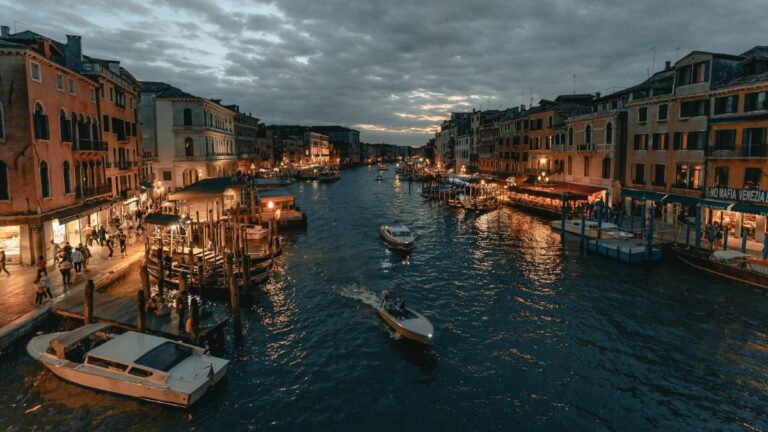
Watch for signs of a trap: long lines for average food, menus in multiple languages, or prices not listed. In Venice, I skipped a gondola ride at €80 and took a €2 public vaporetto for similar canal views. If something feels too touristy, it probably is—trust your instincts and seek alternatives.
Carry a small notebook with local phrases like “how much?” or “no, thank you” to navigate confidently. In Thailand, knowing a few words in Thai helped me haggle at markets without getting ripped off. Staying aware and prepared keeps you one step ahead of the traps.