Best Time to Visit Yosemite National Park
As participants in Amazon Associates and other programs, we earn from qualifying purchases. This comes at no additional cost to you. For more details, see our Affiliate Disclosure.
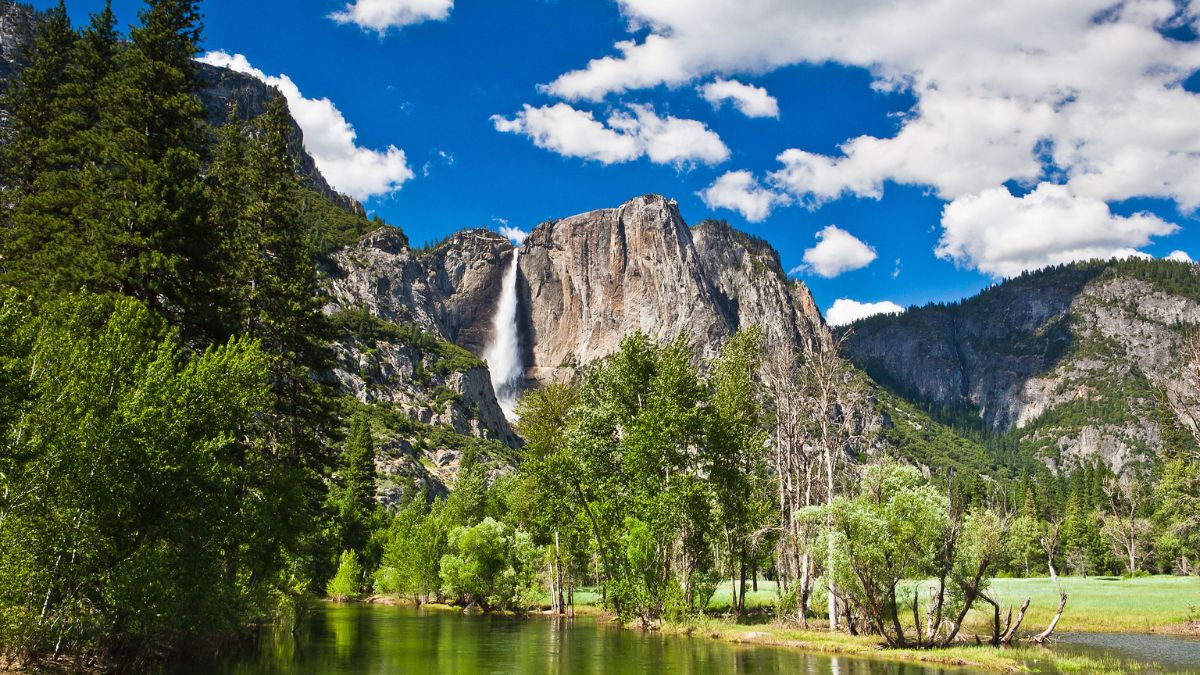
Yosemite National Park’s towering granite cliffs, cascading waterfalls, and serene meadows make it a natural wonder that inspires awe. The best time to visit Yosemite is late spring (May to June) or early autumn (September to October), when mild weather, vibrant landscapes, and fewer crowds create the perfect setting for exploring. You’ll hike to Yosemite Falls, marvel at Half Dome, or stargaze in Glacier Point with comfortable temperatures and clear skies.
These seasons let you soak in Yosemite’s iconic beauty, from Tuolumne Meadows to the Mariposa Grove’s giant sequoias. Whether you’re photographing El Capitan or picnicking by the Merced River, late spring and early autumn make every moment unforgettable. Let’s dive into why these months shine and how to plan your Yosemite adventure.
Weather That Feels Just Right
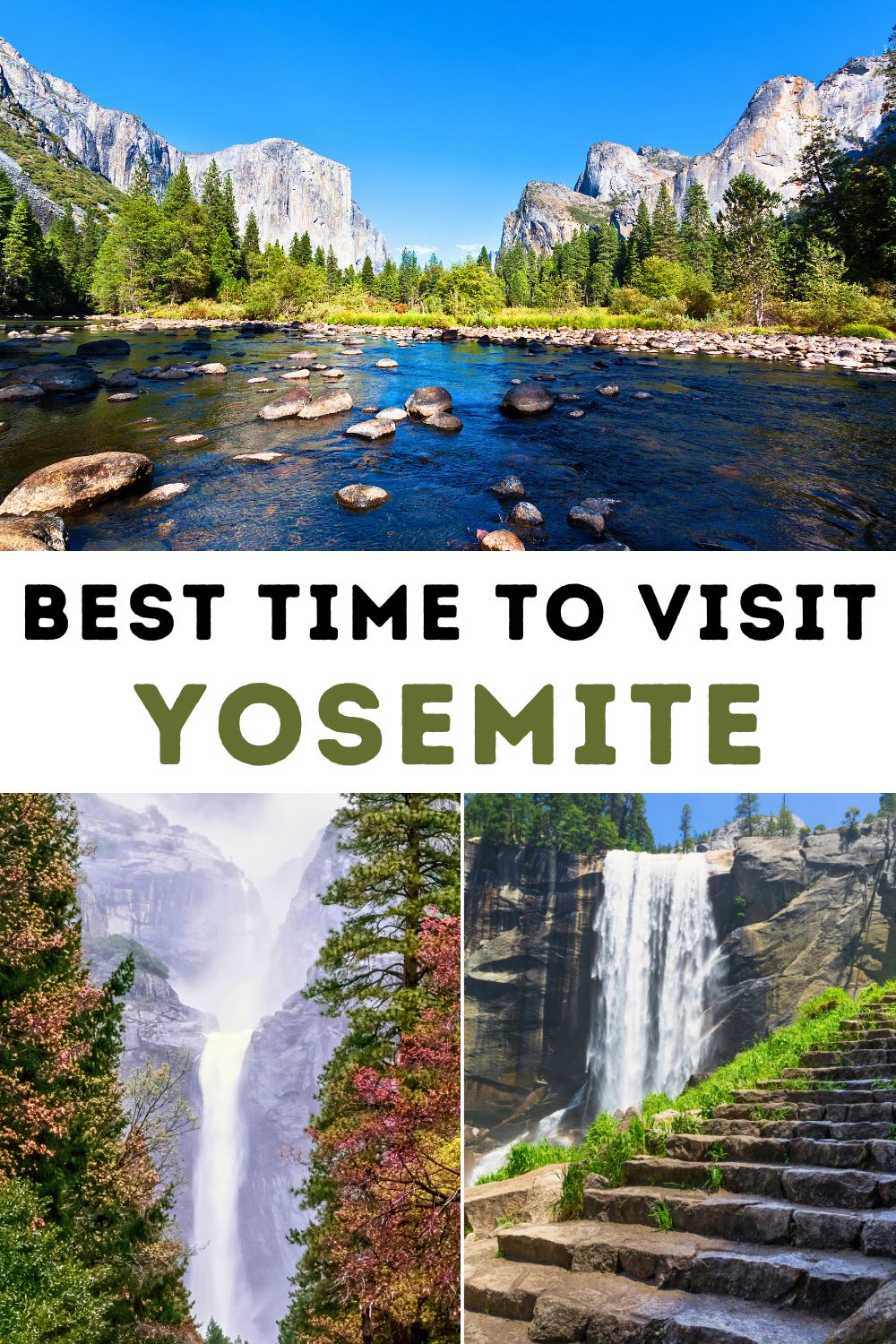
Late spring and early autumn bring Yosemite’s most pleasant weather, with temperatures between 10-22°C in the valley and cooler 5-15°C at higher elevations like Tioga Pass. You can trek the Mist Trail or explore Hetch Hetchy without summer’s 30°C heat or winter’s icy trails. Meadows and rivers sparkle, ideal for kayaking or scenic drives.
Mornings are crisp, perfect for sunrise at Tunnel View or climbing to Vernal Fall before the midday warmth. Evenings cool off, great for campfire chats at Curry Village or sunsets over Sentinel Dome.
Unlike July’s crowded paths or January’s snowbound roads, these seasons keep you comfortable for outdoor adventures. A light fleece or waterproof jacket is all you need to roam from valley to alpine.
Quieter Trails, Wild Serenity
Summer packs Yosemite’s hotspots—think Lower Yosemite Fall or Mirror Lake—with families, but May, June, September, and October offer more space. You’ll linger at Bridalveil Fall or Cathedral Lakes without weaving through crowds. Smaller areas like Wawona or the Clark Range feel tranquil, with room to breathe.
High-country trails in Tuolumne and sequoia groves see fewer hikers, making guided tours or solo treks more personal. Even popular spots like Yosemite Valley’s bike paths have a relaxed pace, with shorter lines for shuttles.
These months let you tap into Yosemite’s wild soul. You might chat with a ranger about black bears or share a meadow picnic with locals near Tenaya Lake, feeling the park’s timeless calm.
Wildlife and Natural Splendor
Yosemite’s landscapes and wildlife shine in these seasons. May’s waterfalls roar with snowmelt, making hikes to Nevada Fall or Chilnualna Falls spectacular. September’s golden meadows light up trails around Lembert Dome, and aspens in the high country glow against granite peaks.
Wildlife is active—mule deer graze in Yosemite Valley, easily spotted at dawn, while black bears forage in Crane Flat. Marmots scamper in Tuolumne Meadows, and peregrine falcons soar above El Capitan, thrilling for guided wildlife tours.
For adventure, try rock climbing in Camp 4 or biking the Valley Loop. The mild weather makes every moment—from wildflower walks in McGurk Meadow to stargazing at Olmsted Point—feel alive and effortless.
Cultural and Local Vibes
Spring and autumn align with unique Yosemite experiences. June’s Yosemite Forum offers ranger-led talks on conservation and history near the Valley Visitor Center. September’s Sierra Art Trails in nearby Mariposa showcase local painters and potters inspired by the park’s beauty.
Native American heritage comes alive through exhibits at the Yosemite Museum, where you can learn about the Miwok and Paiute’s connection to the land. Small events, like photography workshops or stargazing nights in Wawona, add a community touch.
These months make it easy to connect with Yosemite’s story. You might join a guided history walk in Ahwahnee Village or browse handmade crafts at a Oakhurst market, feeling the park’s enduring spirit.
Travel Made Smoother
Spring and autumn are easier on your wallet than peak summer. Flights to Fresno or San Francisco can be 10-15% cheaper, and accommodations—from lodges in Yosemite Valley to campgrounds near Badger Pass—offer better rates. You’ll find deals on shuttle passes or guided tours, too.
Restaurants in park lodges serve seasonal dishes like trout or huckleberry cobbler at fair prices, and activities like horseback riding in Wawona or rafting on the Merced River are less booked up, with more last-minute options. Day trips to Mono Lake or Bodie run smoothly with open roads.
With milder weather, you won’t face summer’s crowded lots or winter’s closed passes. You can focus on savoring Yosemite’s magic—whether it’s a coffee at Degnan’s Deli or a sunrise over Half Dome—without a hitch.