India Achieves Record 12 Million International Tourist Arrivals in 2025
As participants in Amazon Associates and other programs, we earn from qualifying purchases. This comes at no additional cost to you. For more details, see our Affiliate Disclosure.
India has registered its highest ever number of foreign tourist arrivals with 12.1 million visitors recorded in 2025. The figure represents full recovery plus substantial growth beyond the pre-pandemic peak of 10.9 million in 2019. Expanded electronic visa facilities and aggressive international promotions fueled the surge across diverse source markets.
The Ministry of Tourism confirmed the statistics through immigration data at major entry points. The United States led with 1.8 million arrivals, followed by Bangladesh at 1.6 million and the United Kingdom at 1.2 million. Canada and Australia each contributed over 800,000 visitors with strong increases from European and Southeast Asian nations.
Total foreign exchange earnings from tourism reached 32 billion US dollars. Average per-visitor spending rose to approximately 2,650 dollars reflecting longer stays and higher engagement with premium experiences. Cultural circuits, wellness retreats, and wildlife safaris captured significant portions of expenditure.
Indira Gandhi International Airport in Delhi handled over 70 million total passengers with enhanced international terminals. Chhatrapati Shivaji Maharaj International Airport in Mumbai processed record volumes from long-haul routes. Secondary gateways including Chennai, Bengaluru, and Hyderabad registered double-digit growth in overseas traffic.
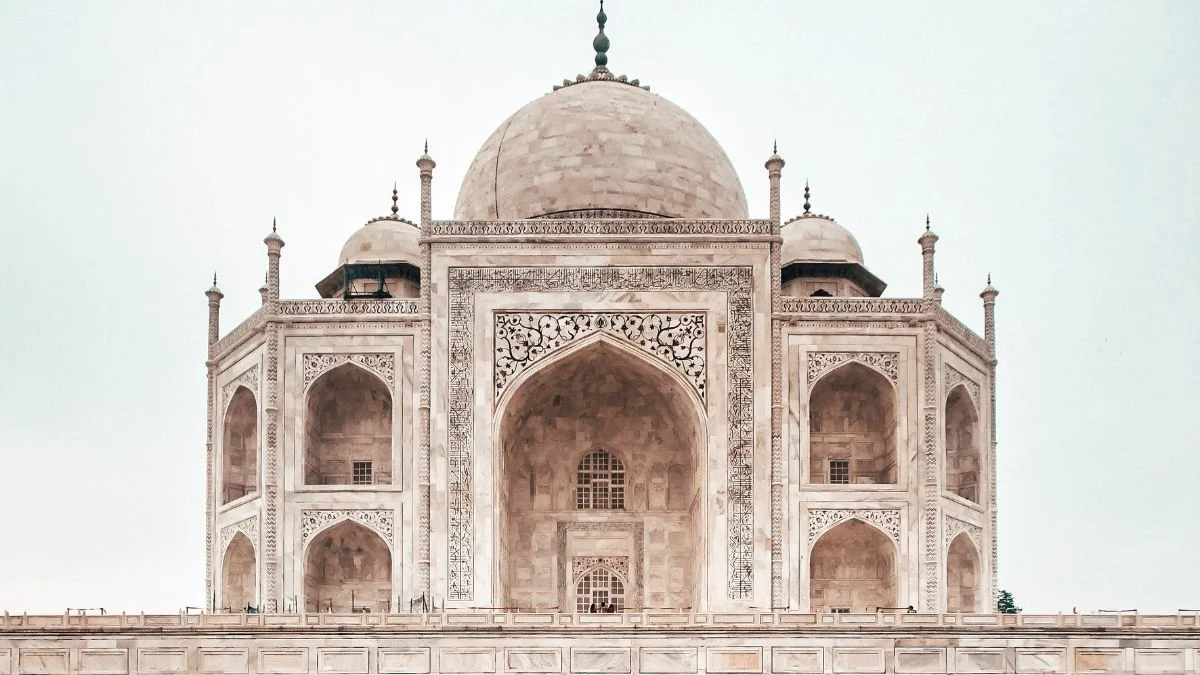
The Golden Triangle route connecting Delhi, Agra, and Jaipur maintained dominance with Taj Mahal entries exceeding 8 million. Kerala backwaters and Goa beaches attracted extended seasonal stays from European markets. Rajasthan palace hotels and Himalayan trekking circuits reported peak occupancy throughout the year.
Electronic visa processing streamlined entry for 169 eligible nationalities with 30-day or longer options available online. Approval times averaged under 72 hours for most applications. Visa on arrival facilities operated at six major airports for select countries including Japan and South Korea.
Regional dispersal initiatives distributed visitors to emerging destinations successfully. Varanasi and Amritsar gained from spiritual tourism packages. Northeast states including Assam and Meghalaya benefited from new direct flight connections and eco-lodge developments.
Medical tourism procedures reached 700,000 cases centered on specialized treatments in cardiology, orthopedics, and oncology. Accredited hospitals in Delhi, Mumbai, and Chennai handled the majority of international patients with bundled travel arrangements.
Infrastructure upgrades supported the volume increase nationwide. High-speed rail projects connected key tourist hubs more efficiently. Dedicated tourist police units and multilingual assistance centers operated at popular sites.
Sustainable practices expanded across operators with certified eco-friendly accommodations. National parks enforced stricter wildlife viewing guidelines and vehicle limits. Community-based homestay programs channeled revenue directly to rural households.
This record positions India among the fastest-recovering major destinations globally. Economic contributions from tourism supported over 45 million direct and indirect jobs. Government targets aim for 15 million annual arrivals by 2027 through continued facilitation and marketing investments.
Industry stakeholders project sustained momentum barring external disruptions. Seasonal campaigns focus on shoulder periods to balance distribution. Destination management emphasizes preservation alongside growth in heritage and natural assets.