100 Free Things to Do in Tokyo Without Spending a Yen
As participants in Amazon Associates and other programs, we earn from qualifying purchases. This comes at no additional cost to you. For more details, see our Affiliate Disclosure.
Tokyo is a whirlwind of flashing lights, cutting-edge technology, and ancient traditions, a city that truly excites the senses. While it has a reputation for being pricey, uncovering amazing free things to do in Tokyo is surprisingly easy and allows you to dive deep into its unique culture without spending a fortune. From towering viewpoints and serene gardens to vibrant street scenes and fascinating museums, there are plenty of Tokyo attractions without spending money, ensuring that budget-friendly activities Tokyo provides are accessible for every type of explorer.
As a travel expert fascinated by Tokyo’s blend of old and new, I’ve sought out the best ways to experience this dynamic metropolis freely. This guide compiles 100 fantastic free activities, grouped to help you navigate the city’s diverse offerings. Forget expensive tickets; let’s explore how to enjoy Tokyo’s wonders completely free of charge, making your journey unforgettable and kind to your wallet.
Free Views and Observation Decks
Tokyo Metropolitan Government Building
Head up to the free observation decks in Shinjuku for stunning panoramic views across Tokyo. On clear days, you might even spot Mount Fuji in the distance.
Bunkyo Civic Center
Located near the Tokyo Dome, this building offers a less crowded observation lounge with impressive views, particularly towards Shinjuku and Mount Fuji. It provides a great perspective over the northern and western parts of the city.
Carrot Tower (Sangenjaya)
Take the elevator up this tower in the Sangenjaya area for relaxing views over West Tokyo from its Sky Carrot observation lobby. It’s a local favourite away from the main tourist hubs.
Ebisu Garden Place Tower Sky Lounge
Ride the elevator to the 38th and 39th floors for free views from the ‘Sky Dining’ restaurant area. You get great vistas towards Shibuya, Shinjuku, and Tokyo Tower without needing to dine.
Shinjuku NS Building
This office building features a unique hollow core and high-level sky bridge walkway on the 29th floor offering interesting perspectives. Look for the huge pendulum clock in the atrium below.
Caretta Shiodome Sky View
Whisk up the elevators to the 46th floor for dramatic views over the Hamarikyu Gardens, Tokyo Bay, and the Rainbow Bridge. It’s especially beautiful at night when the city lights twinkle.
Asakusa Culture Tourist Information Center
Designed by Kengo Kuma, this building opposite Senso-ji Temple has a free observation deck on the 8th floor. It offers fantastic views of the temple grounds and the Tokyo Skytree.
Hokutopia Observation Deck (Oji)
Located north of central Tokyo in Oji, this building provides a free observation deck on the 17th floor. You can see Shinkansen trains running below and views towards the city centre.
Tower Hall Funabori Observation Deck
Take a trip to Edogawa ward for views from this 115-meter high observation deck. It offers a different perspective looking back towards central Tokyo and includes views of Tokyo Bay.
Nerima Ward Office Observatory Lobby
On the 20th floor of the Nerima Ward Office, this free spot offers panoramic views, including sights of Shinjuku’s skyscrapers and Mount Fuji on clear days. It’s a quieter option in West Tokyo.
KITTE Garden
Visit the rooftop garden of the KITTE building next to Tokyo Station for excellent views of the beautifully restored station facade and surrounding skyscrapers. It’s a lovely green space amidst the urban bustle.
Tokyo Skytree Town Solamachi
While the main Skytree decks cost money, you can get good ground-level views of the tower and some decent city views from upper floor restaurants and terraces in the adjacent Solamachi mall. It’s worth exploring the lower levels for free perspectives.
Rainbow Bridge Walkway
Walk across the lower deck of the Rainbow Bridge (free pedestrian access) for fantastic views of Tokyo Bay, Odaiba, and the city skyline. Choose the North Route for city views or South Route for Odaiba views.
Tokyo Tower Views
Admire the iconic Tokyo Tower from nearby Shiba Park or Zojoji Temple without paying the observatory fee. The tower looks particularly stunning when illuminated at night.
Shibuya Sky Views (from below)
Marvel at the impressive Shibuya Sky observation deck structure from the famous Shibuya Scramble Crossing below. While going up costs money, viewing the building and the surrounding neon-lit chaos is free.
Free Parks and Gardens
Ueno Park
Explore one of Tokyo’s largest and most popular parks, home to museums (paid), shrines, a pond, and street performers. It’s particularly famous during cherry blossom season, though beautiful year-round.
Yoyogi Park
Relax in this spacious park next to Meiji Jingu Shrine, popular for picnics, jogging, and people-watching, especially on Sundays when you might see rockabilly dancers or performers.
Imperial Palace East Garden (Kokyo Higashi Gyoen)
Wander the former site of Edo Castle’s innermost circles, featuring moats, massive stone walls, guardhouses, and a beautiful Japanese garden. It’s a peaceful escape in the heart of the city.
Hibiya Park
Visit Japan’s first Western-style park, located near Ginza and the Imperial Palace. Enjoy its fountains, flower beds, and open spaces; it often hosts free events and festivals.
Inokashira Park (Kichijoji)
Stroll around the large pond, visit the small Benzaiten shrine, and enjoy the relaxed atmosphere of this park in the trendy Kichijoji area. The Ghibli Museum (paid, booking essential) is located within the park.
Todoroki Valley Park
Escape the city bustle in Tokyo’s only natural valley, a wooded ravine with a river, small waterfall, and walking paths. It feels miles away from urban Tokyo.
Arisugawa-no-miya Memorial Park
Explore this elegant Japanese garden park in the Hiroo neighbourhood, featuring ponds, streams, waterfalls, and hilly paths. It’s a serene spot popular with local families.
Kitanomaru Park
Located north of the Imperial Palace East Garden, this park houses the Nippon Budokan arena and the Science Museum (paid). Enjoy its pleasant walking paths and greenery.
Shiba Park
Relax in this park surrounding Zojoji Temple, offering excellent ground-level views of Tokyo Tower. It’s one of the oldest parks in Japan.
Kinuta Park
Visit this spacious park in Setagaya ward, known for its large lawns, family areas, and the Setagaya Art Museum (paid). It’s great for relaxing or playing sports.
Mizumoto Park
Explore Tokyo’s largest park by water area, featuring extensive waterways, poplar trees, and birdwatching opportunities on the edge of Tokyo near Saitama. It offers a vast natural landscape.
Institute for Nature Study
Discover this protected nature reserve in Meguro, preserving the natural woodlands and wetlands of the Musashino Plain. Entry is free, offering a truly wild escape within the city.
Rinshi-no-mori Park
Walk through this large park created on the former site of a forestry experiment station, featuring diverse trees from around Japan and the world. It’s a peaceful forest park in Meguro.
Setagaya Park
Enjoy this local park featuring fountains, play areas, and even a small steam locomotive display. Look out for the miniature steam train that sometimes operates (small fee for rides).
Meguro Sky Garden
Visit this unique circular rooftop garden built over a highway junction near Ikejiri-Ohashi Station. It offers surprising tranquility and interesting views amidst urban infrastructure.
Free Shrines and Temples
Senso-ji Temple (Asakusa)
Wander the grounds of Tokyo’s oldest temple, approach via the bustling Nakamise-dori market street, and admire the main hall and five-story pagoda. The lively atmosphere is a must-experience.
Meiji Jingu Shrine
Walk through the serene forest surrounding this important shrine dedicated to Emperor Meiji and Empress Shoken. Witness traditional Shinto rituals if you’re lucky, especially on weekend mornings.
Zojoji Temple
Visit this major Buddhist temple next to Shiba Park, offering striking views of Tokyo Tower behind its main hall. Look for the rows of Jizo statues adorned with bibs and bonnets.
Yasukuni Shrine
Explore the spacious grounds of this shrine dedicated to those who died serving Japan (note its controversial nature). The main path is lined with cherry trees, beautiful in spring.
Kanda Myojin Shrine
See this colourful shrine near Akihabara, popular with tech enthusiasts seeking blessings for electronic devices. Admire its brightly painted structures and unique charms.
Nezu Shrine
Discover one of Tokyo’s oldest shrines, famous for its tunnel of red torii gates resembling Kyoto’s Fushimi Inari. The azalea festival in spring (some areas may charge then) is spectacular.
Gotokuji Temple
Visit the legendary birthplace of the ‘maneki-neko’ or beckoning cat, where thousands of cat figurines are left as offerings. It’s a unique and photogenic spot in Setagaya.
Sengakuji Temple
Pay respects at the graves of the famous 47 Ronin, loyal samurai remembered in Japanese history and legend. A small museum exists (paid), but visiting the gravesites and temple grounds is free.
Tennoji Temple (Yanaka)
Explore this historic temple in the traditional Yanaka area, featuring a large bronze Buddha statue seated outdoors. The surrounding Yanaka Cemetery is also atmospheric to walk through.
Kaneiji Temple (Ueno Park)
Find the remaining structures of this once vast and powerful temple complex within Ueno Park. The pagoda near the pond is a notable landmark.
Hie Shrine (Akasaka)
Climb the steps under a tunnel of red torii gates to reach this important shrine located amidst Akasaka’s skyscrapers. It’s known for its monkey statues, considered messengers of the resident deity.
Toyokawa Inari Tokyo Betsuin
Discover thousands of fox statues dedicated to the deity Inari at this temple complex in Akasaka. It’s a fascinating place with a unique atmosphere.
Tsukiji Honganji Temple
Admire the unusual ancient Indian-inspired architecture of this Buddhist temple near the former Tsukiji Fish Market site. The ornate main hall is impressive inside and out.
Yushima Seido Temple
Visit this Confucian temple near Ochanomizu, dedicated to learning and scholarship. It features the world’s largest bronze statue of Confucius.
Hanazono Shrine (Shinjuku)
Find this relatively peaceful shrine nestled amidst the bustling Shinjuku district. It often hosts antique markets or festivals on Sundays.
Shibamata Taishakuten Temple
Stroll down the traditional approach road (sando) lined with old shops leading to this large Buddhist temple complex in Katsushika ward. The intricate wood carvings (paid gallery) are famous, but the grounds are free.
Tomioka Hachimangu Shrine
Visit the largest Hachiman shrine in Tokyo, known for its association with Sumo wrestling (memorial stones) and the Fukagawa Hachiman Festival. The golden mikoshi (portable shrines) are sometimes displayed.
Ana Hachimangu Shrine (Waseda)
Explore this shrine near Waseda University, particularly popular around the winter solstice for amulets believed to bring financial luck. Look for the yabusame (horseback archery) path.
Free Museums and Galleries
Advertising Museum Tokyo (AdMT)
Discover the history of advertising in Japan through fascinating exhibits and vintage commercials in Shiodome. It offers a unique insight into Japanese culture and design trends.
Tokyo Anime Center (in DNP Plaza)
Check out exhibitions related to Japanese animation (anime) and manga at this spot in Ichigaya. Exhibits change regularly; confirm current free access.
Suginami Animation Museum
Learn about the history and creation process of Japanese anime in this interactive museum located in Suginami ward, an area with many animation studios. It’s great for fans of all ages.
Meguro Parasitological Museum
Explore the unique and slightly unsettling world of parasites at this one-of-a-kind museum. It’s strangely fascinating and definitely memorable.
Bank of Japan Currency Museum
Discover the history of Japanese currency, from early coins to modern banknotes, near the Bank of Japan headquarters in Nihonbashi. The displays are well-presented and informative.
Fire Museum (Yotsuya)
Learn about firefighting history in Tokyo and Japan, with displays of historic fire engines and equipment. You can even sit in a helicopter simulator (check availability).
Tokyo Metropolitan Archives
Explore historical documents and maps related to Tokyo’s development. Check for special exhibitions which are often free.
Sumo Museum (Ryogoku Kokugikan)
Located inside the Sumo stadium, this small museum displays artefacts related to the history of Sumo wrestling. Entry is free on days when no Sumo tournament is being held (check schedule).
Tokyo Water Science Museum
Learn about Tokyo’s water system through interactive exhibits in this museum located in the waterfront Ariake area. It’s particularly engaging for children.
Gas Science Museum (Gas-ten-nani)
Explore the science and uses of gas through hands-on exhibits and demonstrations in Toyosu. It’s another family-friendly educational facility.
Sake Plaza (Japan Sake and Shochu Information Center)
Learn about Japanese sake and shochu production and regional varieties (tastings usually cost money). Browse the information displays and library for free.
Tokyo Sewerage Museum “Rainbow”
Go underground in Odaiba to learn about Tokyo’s complex sewerage system through interactive displays. It offers a surprisingly interesting look at essential city infrastructure.
Origami Kaikan
Watch artisans hand-dyeing washi paper and browse intricate origami creations in this centre dedicated to the art of paper folding. The shop itself is a gallery of possibilities.
Imperial Palace East Garden Museums (Sannomaru Shozokan)
View rotating exhibitions of art and artefacts belonging to the Imperial Family within the Imperial Palace East Garden. Admission is free along with garden entry.
Safety Promotion Center (Japan Airlines)
Visit this sobering facility dedicated to aviation safety, displaying wreckage from JAL Flight 123 and promoting safety awareness (requires advance booking). It’s a powerful reminder of the importance of safety procedures.
Police Museum
Learn about the history and activities of the Tokyo Metropolitan Police Department near Kyobashi Station. Features include uniform displays and patrol vehicles.
Tokyo Port Museum
Enjoy panoramic views of Tokyo Port and learn about its history and operations from the free observation deck and exhibition space in the Aomi Terminal Building. The port views are expansive.
Gallery Ma (Toto Gallery)
Visit this gallery run by the Toto company (known for bathroom fixtures) near Nogizaka Station, showcasing architecture and design exhibitions. It features innovative spatial designs.
Intermediatheque
Explore fascinating academic collections spanning natural history, science, and design, displayed in a beautiful space within the KITTE building/JP Tower. It’s a collaboration between Japan Post and the University Museum, University of Tokyo.
Free Experiences and Sightseeing
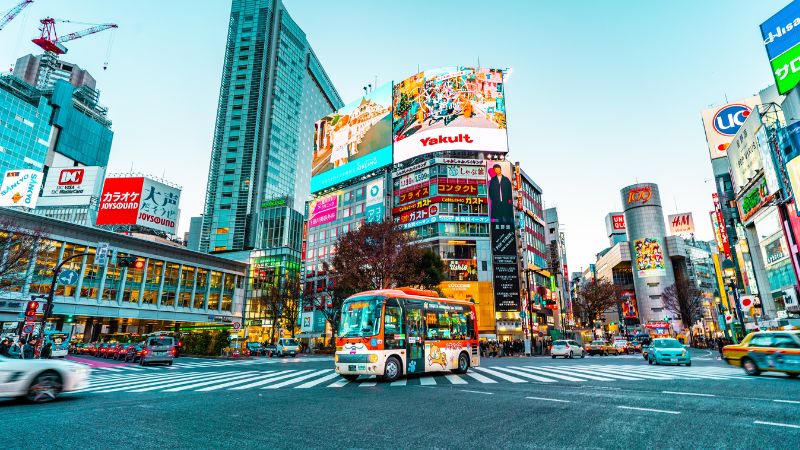
Shibuya Scramble Crossing
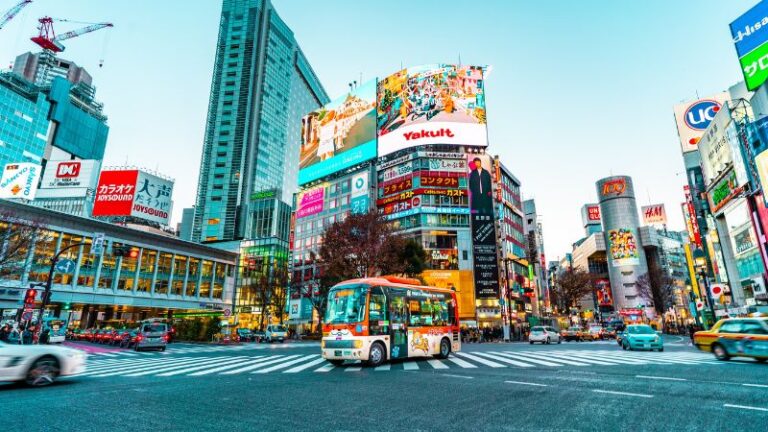
Witness the iconic organised chaos as hundreds of pedestrians cross the intersection from all directions when the lights change. View it from the nearby Starbucks (if you buy a drink) or station windows.
Harajuku Takeshita Street
Immerse yourself in youth culture by walking down this incredibly crowded street packed with colourful shops, quirky fashion, and unique snack stalls. It’s a feast for the eyes and great for people-watching.
Akihabara Electric Town
Wander through the district famous for electronics stores, anime, manga, and gaming culture. Soak up the neon lights and unique atmosphere, even if just window shopping.
Ginza Window Shopping (Weekend Pedestrian Paradise)
Stroll down Chuo Dori, Ginza’s main street, when it becomes a vehicle-free ‘pedestrian paradise’ on weekend afternoons. Admire the flagship stores and department store displays.
Yanaka Ginza Shotengai
Experience a taste of old Tokyo (‘shitamachi’) by walking down this traditional shopping street filled with local shops selling food, crafts, and daily necessities. It has a charming, nostalgic feel.
Ameya Yokocho Market (Ameyoko)
Explore the bustling market street running alongside the railway tracks between Ueno and Okachimachi Stations. Browse stalls selling everything from fresh fish and fruit to clothing and watches; the energy is infectious.
Tsukiji Outer Market
Wander the lively streets surrounding the former wholesale fish market site, now filled with stalls selling fresh seafood, produce, kitchenware, and delicious street food snacks. Browsing the food stalls is a culinary adventure.
Omoide Yokocho (Memory Lane)
Step back in time in this narrow network of alleyways near Shinjuku Station, packed with tiny yakitori restaurants and bars. It’s most atmospheric at night when the lanterns glow.
Golden Gai (Shinjuku)
Explore the atmospheric cluster of tiny, ramshackle bars crammed into several narrow lanes in Shinjuku (best viewed externally during the day or early evening). It offers a glimpse into post-war Tokyo nightlife architecture.
Tokyo Station (Marunouchi Side)
Admire the beautifully restored red-brick facade of Tokyo Station’s Marunouchi Building and step inside to see the impressive dome ceilings. The architecture is magnificent.
Tokyo International Forum
Visit this stunning architectural complex near Yurakucho Station, designed by Rafael Viñoly. Marvel at the huge glass atrium shaped like a ship’s hull; it’s visually breathtaking.
Odaiba Waterfront
Walk along the waterfront promenade in Odaiba, enjoying views of Tokyo Bay, the Rainbow Bridge, and the city skyline. See the replica Statue of Liberty and the giant Unicorn Gundam statue (which transforms several times a day).
Imperial Palace Plaza (Kokyo Gaien)
Walk through the vast gravel plaza in front of the main Imperial Palace grounds, see the iconic Nijubashi Bridge, and admire the moats and walls. It offers a sense of the scale of the Imperial residence.
National Diet Building (Exterior View)
Admire the imposing architecture of Japan’s parliament building from the outside. Its pyramidal roof is a distinctive landmark.
Walk along Meguro River
Enjoy a pleasant stroll along the banks of the Meguro River, especially beautiful during cherry blossom season when the trees form a pink tunnel. It’s a popular local spot year-round.
Explore Kagurazaka Neighbourhood
Wander the sloping streets of this charming area known for its traditional Japanese restaurants (ryotei), French influence, and hidden alleyways. It retains a sophisticated, historic atmosphere.
Explore Shimokitazawa Neighbourhood
Discover the trendy neighbourhood known for its vintage clothing stores, independent boutiques, live music venues, and laid-back vibe. It’s a hub for youth culture and creativity.
Explore Koenji Neighbourhood
Experience the area known for its punk rock history, second-hand shops, yakitori joints, and alternative scene. It has a grittier, independent spirit.
Explore Daikanyama Neighbourhood
Wander the stylish streets filled with upscale boutiques, chic cafes, art galleries, and the iconic T-Site bookstore complex. It’s known for its fashionable and relaxed atmosphere.
Explore Nakano Broadway
Dive into four floors of shops dedicated to anime, manga, idols, collectibles, and otaku culture within this unique shopping complex. It’s a paradise for pop culture fans.
Watch Sumo practice (Potentially)
Some Sumo stables (‘heya’) may allow visitors to watch morning practice (‘keiko’), often requiring advance contact, adherence to strict rules, and silence. Research specific stables like Arashio-beya for potential window viewing possibilities, but access isn’t guaranteed free or easy.
Attend a Free Festival or Event
Check local listings (e.g., Time Out Tokyo, Tokyo Cheapo) for numerous free festivals (‘matsuri’), markets, and cultural events happening throughout the year. These offer fantastic insight into local traditions and celebrations.
Visit a Depachika
Explore the basement food halls (‘depachika’) of major department stores like Takashimaya, Mitsukoshi, or Isetan. Marvel at the exquisite displays of food, sweets, and bentos; browsing is a feast for the senses.
Explore Jimbocho Book Town
Wander through the area famous for its numerous second-hand bookstores, publishers, and academic atmosphere. Even if you don’t read Japanese, the sheer volume of books is impressive.
Watch Street Performers
Look for musicians, dancers, and other performers, particularly in parks like Ueno Park or Yoyogi Park on weekends. They add to the vibrant atmosphere of these public spaces.
Free Company Showrooms and Tours
Nissan Crossing (Ginza)
See concept cars and the latest Nissan models in this futuristic showroom located at the prominent Ginza 4-chome crossing. The interactive displays are engaging.
Honda Welcome Plaza Aoyama
Visit Honda’s headquarters showroom to see their latest cars, motorcycles, and robotics technology, including the famous ASIMO robot (check demo times). It’s a sleek showcase of Japanese engineering.
Subaru Star Square (Ebisu)
Check out Subaru’s latest vehicles and learn about their technology at this showroom located near Ebisu Station. It sometimes hosts special events or displays.
Yamaha Ginza Store
Browse several floors dedicated to Yamaha’s musical instruments, audio equipment, and technology. You can often try out instruments freely; it’s a haven for music lovers.
Itoya Ginza (Flagship Store)
Explore multiple floors of exquisite stationery, art supplies, and paper products in this famous Ginza store. Even just browsing the beautiful displays is inspiring.
ANA/JAL Sky Museum (Haneda)
Learn about aviation history and airline operations through exhibits and hangar tours (requires advance booking and security checks). It offers a behind-the-scenes look at air travel.
Tokyo Stock Exchange (TSE Arrows)
Visit the visitor area to see the Market Center where trading takes place (viewing through glass) and learn about the stock market through exhibits. Check-in is required upon entry.
Miscellaneous Free Gems
Hachiko Statue (Shibuya)
Pay tribute to the famous loyal dog Hachiko at his statue outside Shibuya Station, a popular meeting point. It’s a small monument but holds great significance for Tokyoites.
Find Godzilla Statues
Look for the Godzilla head peering over the Toho Building terrace in Shinjuku or the smaller statue in Hibiya Square. They are fun tributes to Japan’s most famous movie monster.
Walk across Nihonbashi Bridge
See the historic bridge considered the ‘zero point’ for Japan’s highway network, marked by an impressive麒麟 (kirin) statue. The area blends historic significance with modern development.
Visit a 100 Yen Shop
Browse the aisles of stores like Daiso or Seria, where most items cost only 100 yen (plus tax). It’s fascinating to see the variety and ingenuity of affordable products.
Explore University Campuses
Wander the grounds of prestigious universities like the University of Tokyo (Hongo Campus) with its iconic Akamon gate and Yasuda Auditorium. Many campuses have beautiful architecture and pleasant greenery.
Find Public Art Installations
Keep an eye out for numerous sculptures and art pieces dotted around Tokyo, particularly in areas like Shinjuku (e.g., ‘LOVE’ statue), Odaiba, and Roppongi Hills. Art is often integrated into the urban landscape.
Use Free Wi-Fi Spots
Take advantage of free Wi-Fi often available at train stations, convenience stores, cafes (sometimes requiring registration), and designated tourist spots. It helps you stay connected while exploring.
Attend Free Language Exchange Meetups
Look for free conversation exchange events listed on platforms like Meetup if you want to practice Japanese or English and meet locals and fellow travellers. It’s a great way to socialise affordably.
Visit Tokyo Big Sight (Exterior)
Admire the unique inverted pyramid architecture of Tokyo’s largest international exhibition centre in Odaiba. The striking design makes for interesting photos.
Listen to the Ginza Wako Building Clock Chime
Be near the iconic Wako building at the Ginza crossing on the hour to hear its famous Westminster chimes. It’s a classic Ginza sound.