15 Foods You Have To Try In Berlin
As participants in Amazon Associates and other programs, we earn from qualifying purchases. This comes at no additional cost to you. For more details, see our Affiliate Disclosure.
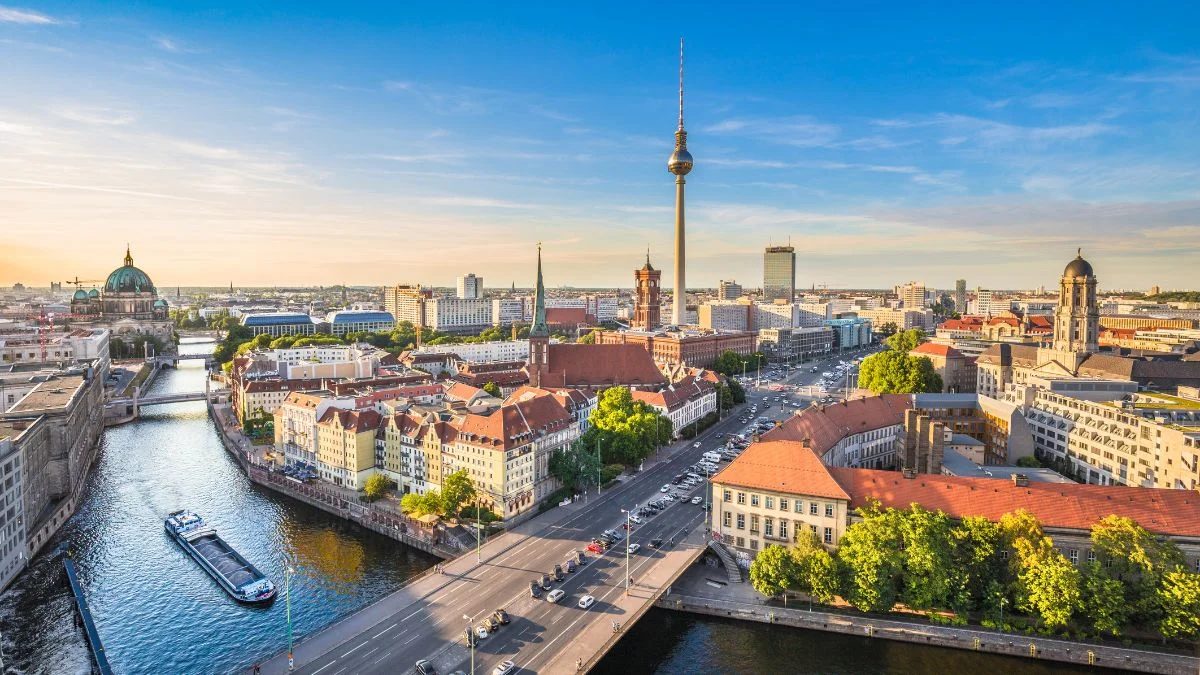
Berlin’s food scene is as diverse and dynamic as the city itself. It’s a place where traditional German fare sits comfortably alongside innovative global cuisine, often served up with a side of effortless cool. Forget stuffy dining rooms; much of Berlin’s best food is found on the street, in bustling markets, or cozy neighborhood eateries. Eating here is an adventure, reflecting the city’s history, creativity, and multicultural heart.
From iconic street food invented right here to hearty classics and surprising international flavors, Berlin offers something for every taste and budget. You don’t need fancy reservations to eat well; some of the most memorable meals come from grabbing a quick bite while exploring areas like Kreuzberg or Prenzlauer Berg. So, loosen your belt and get ready to discover the tastes that define this unique European capital.

Currywurst
This is arguably Berlin’s most famous culinary invention. Currywurst consists of steamed, then fried pork sausage, sliced and smothered in a distinctive curry-flavored ketchup sauce, often sprinkled with extra curry powder. It’s typically served with a bread roll (Brötchen) or French fries (Pommes).
You’ll find Currywurst stands (Imbissbuden) all over the city. Some legendary spots include ‘Konnopke’s Imbiss’ under the U-Bahn bridge at Eberswalder Straße, often credited with popularizing it in East Berlin, and ‘Curry 36’ in Kreuzberg. Trying Currywurst, perhaps late at night, is a quintessential Berlin experience.
Döner Kebab
While originating in Turkey, the Döner Kebab as we know it today – meat cooked on a vertical rotisserie, shaved off and served in flatbread with salad and sauces – was arguably perfected, or at least popularized, in Berlin by Turkish immigrants. Berlin Döner often features chicken or veal, heaps of fresh salad, and various sauces like garlic, herb, or spicy.
There are countless Döner shops across Berlin, but ‘Mustafa’s Gemuese Kebap’ in Kreuzberg is legendary, known for its long queues and delicious roasted vegetable additions. However, many neighborhood spots offer fantastic versions too. It’s a cheap, filling, and flavorful meal available almost any time.
Schnitzel
A classic across Germany and Austria, Schnitzel is a thin, breaded, and pan-fried cutlet, traditionally veal (Wiener Schnitzel, which is geographically protected) but often pork (Schnitzel Wiener Art or Schweineschnitzel) in Berlin. It’s typically served large, golden brown, and crispy, often with lemon wedges and potatoes (fries or potato salad).
Many traditional German restaurants and pubs (Kneipen) in Berlin serve excellent Schnitzel. Look for spots that pound the meat thin and achieve a perfect crispy coating. It’s a hearty, satisfying dish, perfect after a day exploring sights like the Brandenburg Gate.
Spätzle
Originating from Swabia in Southern Germany, Spätzle are soft egg noodles or dumplings with an irregular shape. They are often served as a side dish to meat dishes or as a main course, famously as Käsespätzle – Spätzle mixed with melted cheese (like Emmental) and topped with crispy fried onions.
You can find Spätzle, especially Käsespätzle, in restaurants serving Southern German cuisine or sometimes at food markets. It’s comforting, cheesy, and incredibly satisfying – German mac ‘n’ cheese, essentially, but arguably better.
Berliner Pfannkuchen (Berliner Doughnut)
Known simply as Berliner in Berlin (and Pfannkuchen elsewhere in Germany, confusingly!), these are yeast doughnuts without a central hole. They are deep-fried, typically filled with jam (often plum or strawberry), and dusted with powdered sugar or glazed.
Bakeries (Bäckereien) all over Berlin sell fresh Berliner Pfannkuchen. They are especially popular around New Year’s Eve and Carnival season, sometimes with joke fillings like mustard! Grabbing one with your morning coffee is a simple local pleasure.
Pretzels (Brezel)
The soft pretzel, or Brezel, with its distinctive knotted shape, coarse salt topping, and chewy texture, is a German bakery staple. While more associated with Southern Germany, they are readily available and enjoyed throughout Berlin.
You’ll find pretzels in almost every bakery, at train station kiosks, and sometimes sold by street vendors. They are great for a quick, savory snack on the go. Some places offer variations like cheese pretzels (Käsebrezel) or buttered pretzels (Butterbrezel).
Apfelstrudel (Apple Strudel)
Though originating in Austria, Apfelstrudel is a beloved dessert across Germany. It features thin layers of pastry wrapped around a filling of spiced apples, raisins, and sometimes nuts, baked until golden and often served warm with vanilla sauce, ice cream, or whipped cream.
Many traditional German restaurants and cafes in Berlin offer Apfelstrudel on their dessert menu. A good strudel has incredibly thin, flaky pastry and a generous, flavorful filling. It’s a comforting classic, perfect with a cup of coffee.
Kartoffelsalat (Potato Salad)
German potato salad varies significantly by region. In Berlin and Northern Germany, it’s often made with mayonnaise, boiled potatoes, onions, gherkins (pickles), and sometimes apples or boiled eggs. The Southern German version typically uses a vinegar and oil dressing.
Potato salad is a common side dish served with Schnitzel, sausages, or Bouletten. You’ll find the mayonnaise-based version in most traditional Berlin eateries and pubs. It’s a staple at German barbecues and picnics.
Bouletten (Frikadellen)
Bouletten (the Berlin term) or Frikadellen are thick, pan-fried meatballs or patties made from minced meat (usually pork or a mix of beef and pork), onions, breadcrumbs, egg, and seasonings. They are a classic, home-style dish.
You can find Bouletten served hot with mustard in traditional pubs, at butcher shops, or sometimes cold as part of a deli platter. They are simple, savory, and very typical of Berlin’s down-to-earth cuisine. Think of them as German hamburgers, without the bun.
Königsberger Klopse
Named after the former German city of Königsberg (now Kaliningrad), these are boiled meatballs made from minced veal (or beef/pork) and anchovies or salted herring, served in a creamy white sauce thickened with egg yolk and flavored with capers and lemon juice.
This dish is a classic found in traditional German restaurants across Berlin. The combination of the savory meatballs and the tangy, creamy caper sauce is unique and delicious. It’s often served with boiled potatoes. Trying Königsberger Klopse offers a taste of old-school German cooking.
Flammkuchen
Originating from the Alsace region bordering Germany and France, Flammkuchen is like a very thin-crust pizza. The traditional version has a base of thinly rolled bread dough topped with crème fraîche or quark, thinly sliced onions, and lardons (small strips of fatty bacon), baked quickly in a very hot oven until crispy.
Flammkuchen has become very popular in Berlin, found in dedicated Flammkuchen restaurants, wine bars, and some German eateries. Many variations exist with different toppings. Its light, crispy texture makes it great for sharing as an appetizer or light meal.
Halbes Hähnchen (Roast Chicken)
Simple, succulent roast chicken, often called Broiler in East Berlin terminology. It’s typically rotisserie-roasted until the skin is crispy and golden, usually seasoned simply with salt, pepper, and paprika.
You’ll find excellent roast chicken at specialized chicken stands (Hähnchengrill), often found at weekly markets or as standalone stalls. Served typically with fries or a bread roll, it’s a straightforward, affordable, and universally loved comfort food.
Senfeier (Eggs in Mustard Sauce)
A very traditional, humble German dish often associated with home cooking or simple canteens. It consists of hard-boiled eggs served warm in a creamy mustard sauce (made with a roux, broth or milk, and German mustard), usually accompanied by boiled potatoes.
While not glamorous, Senfeier represents classic German comfort food. You might find it on the daily specials menu in traditional, old-school Berlin pubs or restaurants, especially around Easter. It’s surprisingly tasty if you enjoy mustard.
Rollmops / Bismarckhering (Pickled Herring)
These are types of pickled herring, a common North German specialty enjoyed in Berlin. Rollmops are pickled herring fillets rolled around a filling, often pickled gherkin or onion. Bismarckhering are pickled herring fillets served flat, often in a marinade.
Find these at fish stalls in markets like the ‘Markthalle Neun’ or sometimes served as part of a traditional German breakfast or light meal, often with rye bread or potatoes. They offer a sharp, tangy, and refreshing taste of the sea.
Leberkäse
Meaning ‘liver cheese,’ this Bavarian specialty ironically usually contains neither liver nor cheese in its common form. It’s a loaf made from finely minced pork and beef baked until it has a brown crust, similar in texture to bologna sausage. It’s often served sliced thick, either hot in a bread roll (Leberkässemmel) or pan-fried with a fried egg and potatoes.
While Bavarian, Leberkäse is widely available at German butchers, food stalls in markets, and some casual eateries throughout Berlin. Getting a warm Leberkässemmel with sweet mustard is a quick, hearty, and authentic German snack.