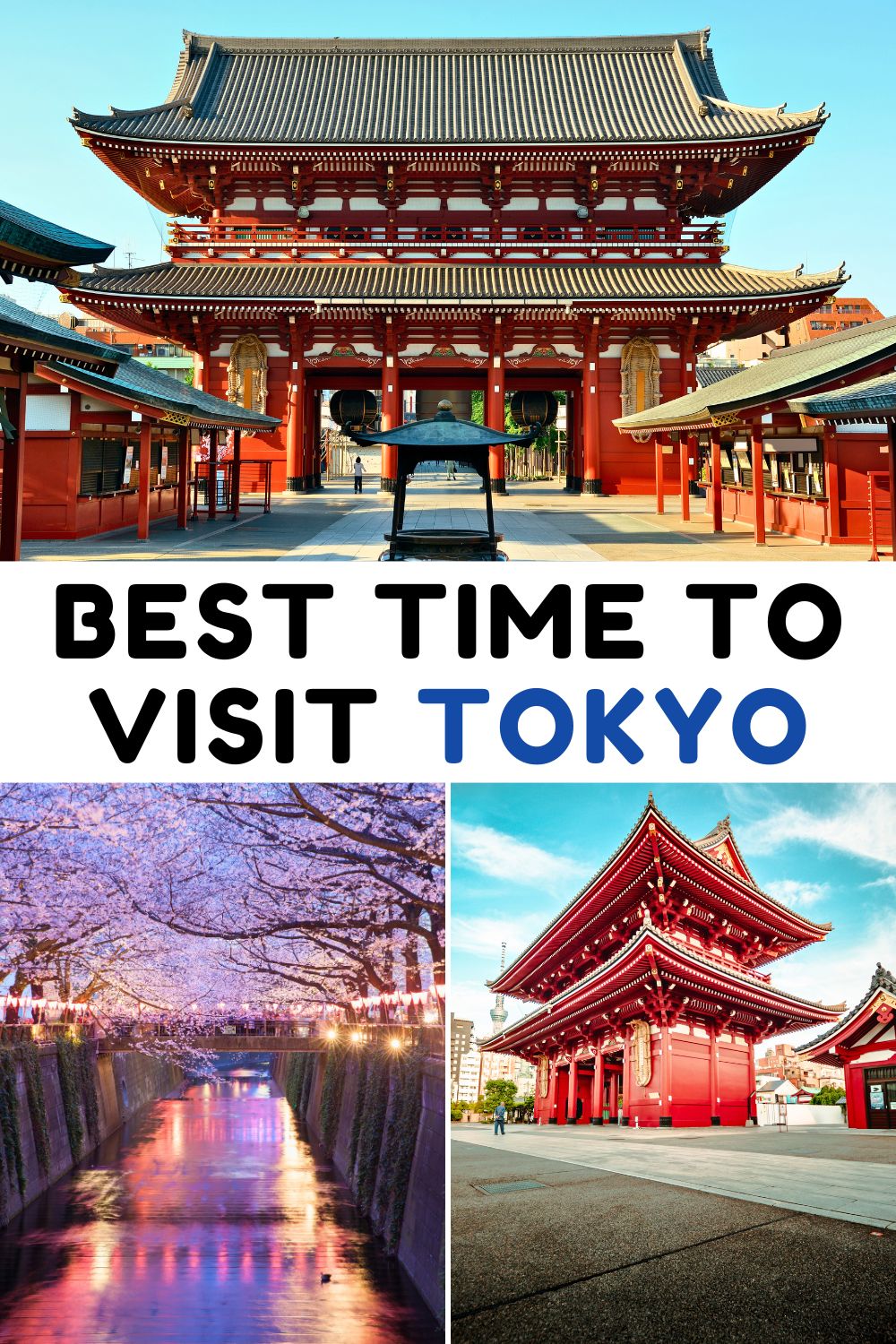
Best Time to Visit Tokyo
As participants in Amazon Associates and other programs, we earn from qualifying purchases. This comes at no additional cost to you. For more details, see our Affiliate Disclosure.
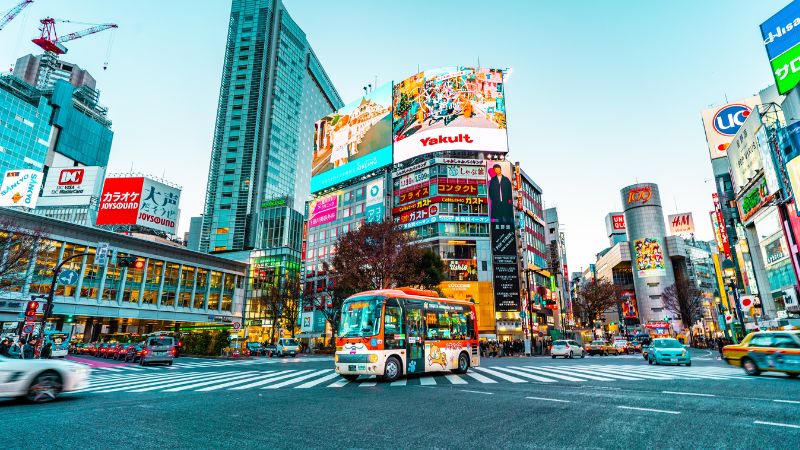
Tokyo’s neon-lit streets, serene temples, and vibrant pop culture make it a city that pulses with dynamic energy and timeless tradition. The best time to visit Tokyo is spring (March to May) or autumn (September to November), when mild weather, stunning landscapes, and fewer crowds create the perfect setting for exploring. You’ll wander Shibuya Crossing, savor sushi in Tsukiji, or stroll Ueno Park with comfortable temperatures and a lively local vibe.
These seasons let you soak in Tokyo’s eclectic charm, from Asakusa’s historic shrines to Harajuku’s quirky boutiques. Whether you’re tasting ramen or catching a sumo match, spring and autumn make every moment unforgettable. Let’s dive into why these months shine and how to plan your Tokyo adventure.
Weather That Feels Just Right
From March to May and September to November, Tokyo enjoys mild weather with temperatures between 10-22°C. You can explore Shinjuku Gyoen or bike along the Sumida River without summer’s 32°C humidity or winter’s chilly winds. Parks like Yoyogi are vibrant, ideal for picnics or hanami (cherry blossom viewing) in spring.
Mornings are crisp, perfect for sunrise at Meiji Shrine or visiting Senso-ji before the midday warmth. Evenings cool off, great for yakitori in Omoide Yokocho or sunsets from Tokyo Skytree.
Unlike July’s sticky heat or January’s frost, these seasons keep you comfortable for urban adventures. A light jacket or scarf for evening chills is all you need to roam from skyscrapers to gardens.
Quieter Paths, Local Soul
Summer and peak cherry blossom season pack Tokyo’s hotspots—think Odaiba or Akihabara—with tourists, but late spring and early autumn offer more space. You’ll linger at Rikugien Gardens or Nakameguro’s canal without weaving through crowds. Smaller neighborhoods like Koenji or Shimokitazawa feel cozy, with locals chatting over matcha or craft beer.
The Imperial Palace East Gardens and Yanaka’s retro streets see fewer tour groups, making serene strolls or temple visits more personal. Even popular spots like Ginza’s boutiques have a relaxed pace, with room to browse.
These months let you tap into Tokyo’s heart. You might join a taiko drum workshop in Kichijoji or browse manga at a Jimbōchō bookstore, feeling like you’re part of the city’s rhythm.
Festivals and Cultural Glow
Spring and autumn burst with Japanese traditions. April’s Kanda Matsuri (odd-numbered years) fills Chiyoda with vibrant parades, mikoshi (portable shrines), and takoyaki stalls. September’s Meguro Sanma Festival grills fresh mackerel, paired with sake and live shamisen music.
May’s Sanja Matsuri in Asakusa brings lively floats, street food like okonomiyaki, and Yakuza tattoos on display. October’s Tokyo International Film Festival in Roppongi screens global cinema with anko-filled mochi on the side.
Markets brim with persimmons, bamboo shoots, and handcrafted washi paper, and you can join sushi-making classes in Nihonbashi or ikebana workshops in Omotesando. These seasons make it easy to dive into Tokyo’s flavors and heritage.
Nature’s Urban and Countryside Glow
Tokyo’s green spaces and nearby landscapes shine in these seasons. Spring’s cherry blossoms bloom in Ueno Park, perfect for hanami parties or rowing on Shinobazu Pond. September’s red maples light up trails in Mount Takao, ideal for hiking or cable car rides with city views.
Wildlife thrives—herons wade in Hamarikyu Gardens, easily spotted on riverside walks, while tanuki roam Todoroki Valley in autumn. Mount Fuji, a day trip away, is clear for climbing in early autumn or soaking in Hakone’s onsen.
For adventure, try paddleboarding on the Arakawa River or paragliding in Okutama. The mild weather makes every moment—from rooftop terraces in Shibuya to stargazing in Ogasawara Islands—feel alive and effortless.
Travel Made Smoother
Late spring and early autumn are kinder on your wallet than peak summer or cherry blossom season. Flights to Haneda or Narita can be 10-20% cheaper, and accommodations—from hostels in Asakusa to ryokans in Ikebukuro—offer better rates. You’ll find deals on JR Passes or guided tours, too.
Restaurants serve seasonal dishes like kabocha tempura or chestnut wagashi at fair prices, and activities like Sumida River cruises or visits to teamLab Planets are less booked up, with more last-minute options. Day trips to Kamakura or Nikko run smoothly with stable weather.
With milder conditions, you won’t face summer’s crowded trains or winter’s icy sidewalks. You can focus on savoring Tokyo’s magic—whether it’s a sake flight in Ebisu or a sunrise over the Rainbow Bridge—without a hitch.