First Time Rome Travel Guide for New Visitors
As participants in Amazon Associates and other programs, we earn from qualifying purchases. This comes at no additional cost to you. For more details, see our Affiliate Disclosure.
Planning your first time in Rome is a mix of excitement and awe. This city is packed with ancient ruins, amazing food, and narrow streets that seem frozen in time. But if you’re not prepared, it can also feel busy and confusing.
This guide helps you get started with the basics—where to stay, how to move around, and what to see. You don’t need to check off every famous spot to have a great trip. A few well-chosen stops and a relaxed pace will help you enjoy the city fully.

Where to Stay in Rome for Your First Visit
The best place to stay in Rome for first-time visitors is in or near the historic center. Neighborhoods like Centro Storico, Trastevere, Campo de’ Fiori, and near the Pantheon keep you close to most major attractions.
Staying central means you can walk to many landmarks, which saves time and money. The Vatican area is also a popular choice, but keep in mind that it’s a little farther from sights like the Colosseum or Trevi Fountain.
Try to avoid staying far outside the city just to save money. Rome’s public transport isn’t as fast or easy as in other cities, so the extra commute can take away from your time exploring. Choose a small, well-rated hotel or guesthouse in a central area instead.
Getting Around the City
Rome is best explored on foot, especially in the center. Many of the top sights are close together. Just wear good shoes—the cobblestones can be rough on your feet.
You can also use the Metro, which has only three lines but is helpful for longer distances. Buy tickets from machines or tobacco shops (look for signs that say “Tabacchi”). One ticket is valid for 100 minutes and works on buses, trams, and Metro.
Buses can be useful, but they often run late. If you use them, check times on Google Maps or the Moovit app. Taxis are available but can be expensive. Make sure to use official white taxis with a meter. Don’t get into random cars offering rides.
What to See First
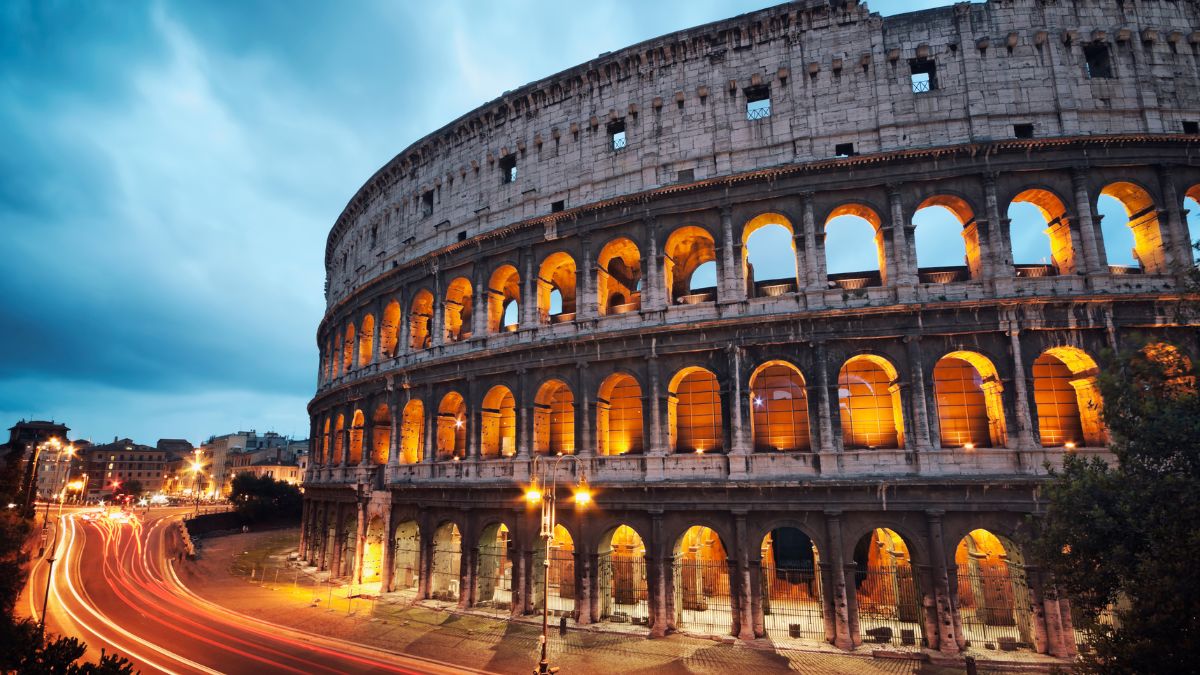
Start with the Colosseum and Roman Forum. These ancient ruins show you just how powerful Rome once was. Buy a ticket online in advance—it covers both sites and saves you from waiting in long lines.
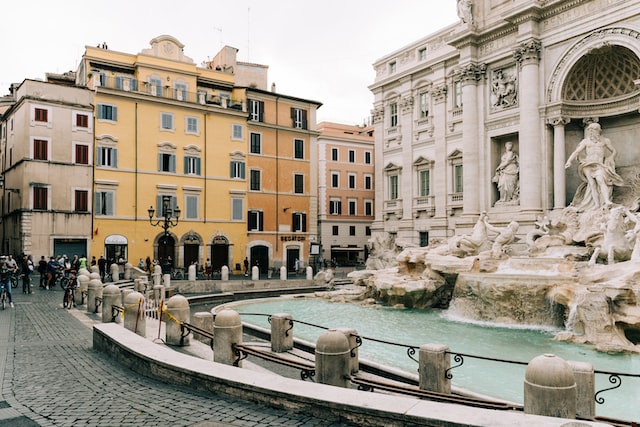
Next, walk over to the Trevi Fountain. Toss in a coin over your shoulder to “guarantee” your return to Rome. It gets crowded, so go early in the morning or later in the evening for a better experience.
Then make your way to the Pantheon, one of the best-preserved ancient buildings in the city. It’s free to enter most days and is truly impressive inside. You can also grab a coffee or gelato nearby and just enjoy the view from one of the nearby piazzas.
What to Eat and Drink
Food in Rome is simple and full of flavor. Start your day with a cappuccino and a cornetto (Italian croissant). For lunch, try pizza al taglio—pizza by the slice, often sold by weight.
At dinner, go for local pasta dishes like carbonara, cacio e pepe, or amatriciana. Roman-style pizza is thin and crispy, and definitely worth trying. Look for small, local places with handwritten menus—they often serve better food than the touristy spots.
Don’t forget dessert. Grab a scoop (or two) of gelato from a trusted shop. Avoid the places with bright, fluffy piles of gelato. The real stuff is stored in steel containers with lids. Finish your day with a glass of wine or some herbal tea at a cozy café.
Tips for Visiting Museums and Churches
Rome is home to some of the most famous art and religious sites in the world. The Vatican Museums and Sistine Chapel are must-sees, but they get crowded fast. Book tickets online and arrive early.
You’ll also want to visit St. Peter’s Basilica. It’s free to enter, but the lines can be long. Dress respectfully—no shorts or sleeveless tops. Climbing to the dome costs a small fee, but the view is worth it.
Many other churches in Rome are open to the public and filled with art. Santa Maria Maggiore, San Clemente, and Santa Maria in Trastevere are beautiful and less crowded. They’re great places to rest, cool off, and take in the quiet beauty of the city.
What to Pack
Rome weather depends on the season. Spring and fall are warm and pleasant, while summer can be very hot. Winters are mild but damp. Always bring layers, a small umbrella, and sunglasses.
You’ll be walking a lot, so wear comfortable shoes with grip—those cobblestones can be slippery. A crossbody bag or small backpack with a zipper is best for keeping your things safe and easy to carry.
Pack a reusable water bottle. Rome has clean public fountains called nasoni all over the city. The water is safe and cold, so you can refill throughout the day. It saves money and keeps you hydrated, especially in the heat.
Safety and Etiquette
Rome is generally safe, but pickpocketing can happen, especially at the Trevi Fountain, Spanish Steps, and on public transit. Keep your bag in front of you and avoid putting phones or wallets in your back pocket.
Be polite in shops and restaurants. Say “buongiorno” (good morning) or “buonasera” (good evening) when entering. Even a few simple Italian words go a long way. Don’t touch fruit or vegetables at markets—let the vendor help you.
When eating out, don’t expect fast service. Meals in Italy are slower and more relaxed. If you’re in a rush, look for a bar or café. Also, don’t ask for extra sauces like ketchup at Italian restaurants—it’s not part of the food culture.
How Many Days to Stay
For a first visit, four to five days in Rome is a great start. You’ll have time to see the main landmarks, try the food, and explore some quieter corners. Two or three days is doable, but you’ll have to move quickly.
Spend your first day seeing the ancient sites like the Colosseum and Forum. Use another day for the Vatican and St. Peter’s. Then, leave time for walking through neighborhoods like Trastevere, the Jewish Ghetto, or the Spanish Steps area.
If you stay longer, you can add a day trip to places like Ostia Antica, Tivoli, or the Appian Way. But even within the city, there’s more than enough to fill your days.
Free and Cheap Things to Do
Many of the best sights in Rome are free. Walk around Piazza Navona, Campo de’ Fiori, or the Spanish Steps. Sit by a fountain and enjoy the street performers and local life. Rome is full of beautiful views—you don’t need a ticket to enjoy them.
Climb the Capitoline Hill for a great view over the Roman Forum, or visit Janiculum Hill at sunset. You’ll get wide views over the whole city. Bring a snack or a bottle of wine and enjoy the quiet moment.
Some museums and archaeological sites are free on the first Sunday of every month. Check ahead to see which ones apply. Churches are also a great way to enjoy art and history for free—and many are open all day.
Day and Night in Rome
Rome is lively during the day, but it becomes magical at night. The monuments light up, and the crowds shrink. Go for a night walk through the center—you’ll see the Pantheon, Trevi Fountain, and Colosseum in a whole new light.
Evening is when locals gather. Head to Trastevere for dinner and drinks. The vibe is friendly, the food is great, and there’s a lot to explore. Outdoor dining is popular most of the year, and there’s nothing better than sitting with a plate of pasta under the stars.
Don’t stay out too late if you’re catching an early tour, but at least one relaxed evening walk with a gelato in hand is a must. Rome has a special glow at night—it’s something you won’t forget.