Extreme Heat in Greece Prompts Acropolis Closure and Tourist Safety Alerts
As participants in Amazon Associates and other programs, we earn from qualifying purchases. This comes at no additional cost to you. For more details, see our Affiliate Disclosure.
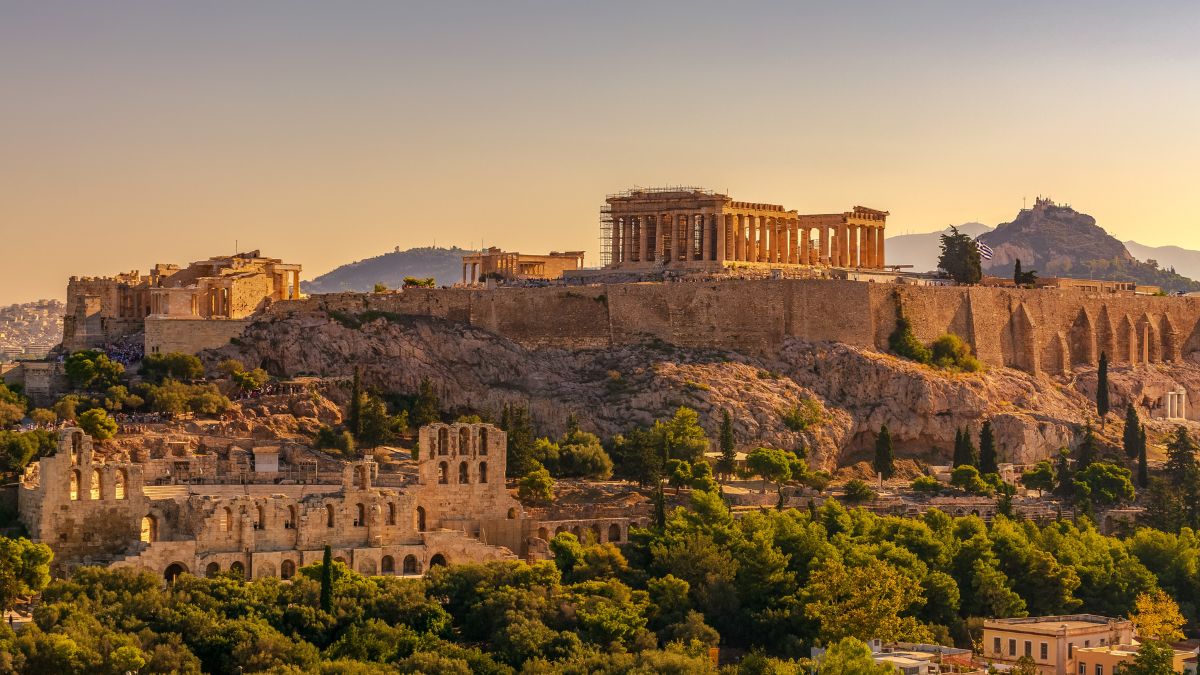
Greece is grappling with a brutal heatwave, and it’s hitting tourists hard. Scorching temperatures have forced officials to shut down the Acropolis, the country’s iconic ancient site, for parts of the day. The move aims to keep visitors and workers safe as the mercury climbs to dangerous levels.
This isn’t just a hot summer day—it’s a serious weather event. Athens has seen temperatures hit 38°C, while other parts of Greece have soared to 43°C. The Acropolis, perched on a rocky hill with little shade, becomes a heat trap. To protect everyone, the Greek Culture Ministry has closed the site from noon to 5 p.m. daily since early July 2025. These closures aren’t new—similar measures happened in June and July last year when heatwaves struck.
The heat is relentless, and it’s not just about discomfort. Authorities are warning tourists to stay indoors during peak heat hours. We’re talking about staying hydrated, avoiding crowded spots, and sticking to air-conditioned places. Light clothing and skipping alcohol are also on the must-do list to beat the heat. The Hellenic Red Cross has been handing out water bottles to tourists waiting to enter the Acropolis before it closes each day.
Beyond Athens, the heatwave is causing chaos across Greece. The government has issued high-level wildfire alerts, especially in areas like the Peloponnese and central Greece. Firefighters are battling up to 50 blazes a day, a stark reminder of the country’s vulnerability to extreme weather. Last year, wildfires scorched parts of Crete, and the risk remains high now.
Tourists are feeling the impact. The Acropolis, home to the Parthenon temple built in 432 BCE, drew 4.5 million visitors in 2024. It’s a bucket-list stop for many, but the lack of shade makes it risky during heatwaves. Some visitors, like those interviewed by Reuters, have tried to beat the closures by arriving early. Others, caught off guard, have faced disappointment.
The Greek Labour Ministry is also stepping in. Outdoor work, like construction and food delivery, is banned from midday to 5 p.m. in many regions. This applies to popular islands too, where tourism is a lifeline. Employers are encouraged to let workers stay home or start earlier to avoid the worst heat.
This heatwave is part of a bigger pattern. Greece has faced increasingly intense summers, with meteorologists noting record-breaking conditions. The National Observatory of Athens reported that nighttime temperatures in urban areas barely drop, adding to the health risks. Experts link these trends to climate change, which is making heatwaves more frequent and severe.
For travelers, the advice is clear: plan around the heat. Check the Acropolis website for opening hours, as closures may continue if temperatures stay high. Museums with air conditioning, like the Acropolis Museum, are good alternatives for midday visits. The heat is expected to ease slightly by late July, but another wave could hit soon after.
Greece remains a stunning destination, but this summer’s heat is a wake-up call. Whether you’re exploring ancient ruins or relaxing on an island, staying safe is key. Stick to early mornings or evenings for sightseeing, and keep cool wherever possible.