Croatia Tourism Surges as Spending Climbs and Sustainability Takes Center Stage
As participants in Amazon Associates and other programs, we earn from qualifying purchases. This comes at no additional cost to you. For more details, see our Affiliate Disclosure.
Croatia is enjoying another strong year for travel, with visitors spending more per trip and choosing experiences that go beyond the beach. Hoteliers and local guides report longer stays, higher average rates, and rising demand for small-group tours, food and wine experiences, and nature escapes. The trend is helping spread benefits across coastal hubs and inland regions while encouraging a shift from volume to value.
Two recent changes continue to make travel smoother: Croatia adopted the euro and joined the Schengen area in 2023. With fewer currency hassles and easier cross-border movement, travelers are booking multi-stop itineraries that pair city breaks in Zagreb with time on the Adriatic or day trips to national parks. Airlines have extended seasonal routes, ferries are running fuller schedules, and remote workers are staying longer in shoulder months, supporting cafés, co-working spaces, and local rentals.
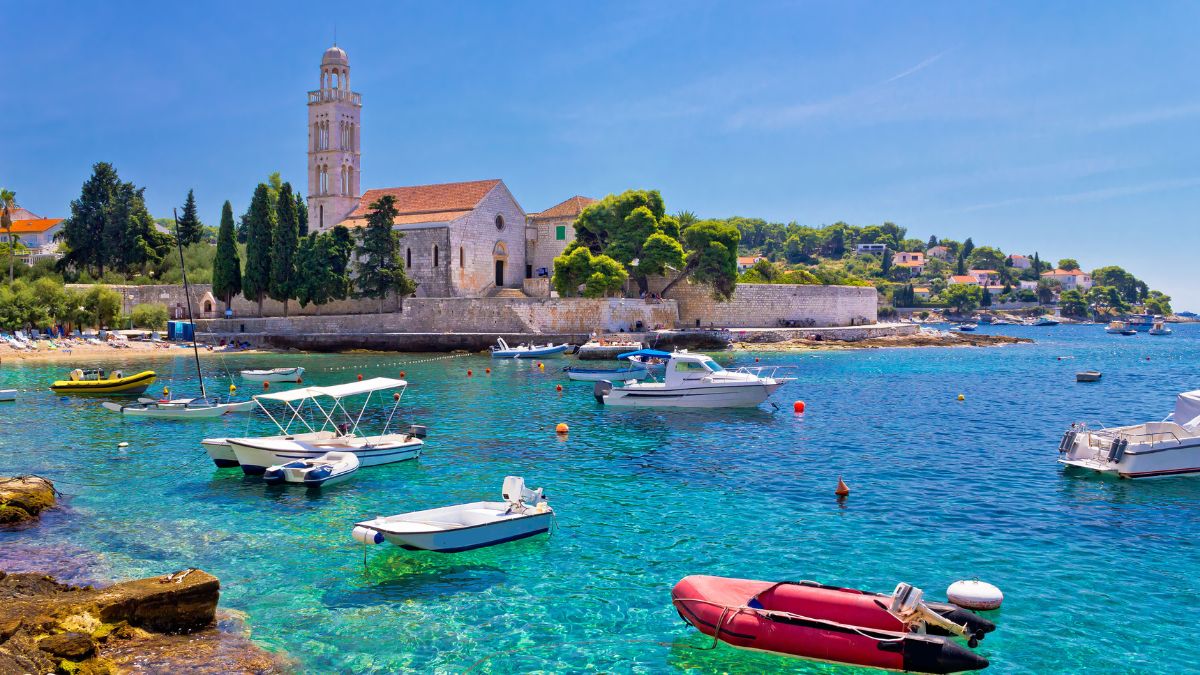
Spending patterns are evolving. Travelers are trading short, peak-summer visits for curated stays that mix culture, nature, and wellness. In Istria, wine roads and cycling paths are drawing higher-spending guests to boutique hotels and family-run inns. In Dalmatia, visitors are upgrading from quick island hops to slower itineraries that include guided hikes, culinary classes, and heritage tours in places like Split, Šibenik, and Dubrovnik.
Sustainability is now central to the strategy. Popular destinations are coordinating cruise calls, spacing group arrivals, and promoting off-peak visits to protect historic centers. National parks are steering foot traffic with marked routes and timed entries on busy days, while investing in boardwalk upkeep and waste management. Municipalities have added water refill stations, introduced beach stewardship rules, and supported e-bike networks to reduce car use. Many hotels and campsites are pursuing eco labels, cutting single-use plastics, and sourcing food from nearby farms and fisheries.
The push is also about dispersal. Tourism boards are highlighting lesser-known areas—continental spa towns, river valleys, castles in Zagorje, and wine regions in Slavonia—to ease pressure on a handful of hotspots. Events and festivals are moving into spring and autumn, and operators are bundling rail or bus tickets with attraction passes to encourage more sustainable transport.
Challenges remain. Peak-season crowding strains heritage sites and local services, and short-term rentals add pressure to housing in old towns. Heatwaves and water stress demand tighter management of air-conditioning, irrigation, and beach infrastructure. Labor shortages persist in hospitality, prompting training programs and efforts to retain seasonal staff with longer contracts and better conditions.
Even so, the outlook is positive. By focusing on quality, spreading visits throughout the year, and investing in green practices, Croatia aims to keep tourism growth steady without eroding what makes the country special. If current patterns hold—higher-value trips, slower travel, and wider regional benefits—the sector can continue to thrive while protecting the coast, islands, and cultural landmarks that draw visitors in the first place.