Best Time to Visit Switzerland
As participants in Amazon Associates and other programs, we earn from qualifying purchases. This comes at no additional cost to you. For more details, see our Affiliate Disclosure.
Switzerland’s alpine meadows, crystal lakes, and charming villages make it a destination that feels like a storybook come to life. The best time to visit Switzerland is late spring (May to June) or early autumn (September to October), when mild weather, vibrant landscapes, and fewer crowds create the perfect setting for exploring. You’ll wander Zurich’s old town, hike Zermatt’s trails, or cruise Lake Geneva with comfortable temperatures and stunning views.
These seasons let you soak in Switzerland’s diverse beauty, from the Matterhorn’s majesty to Bern’s medieval charm. Whether you’re tasting fondue in Lausanne or biking in the Engadine Valley, late spring and early autumn make every moment unforgettable. Let’s dive into why these months shine and how to plan your Swiss adventure.
Weather That Invites Exploration
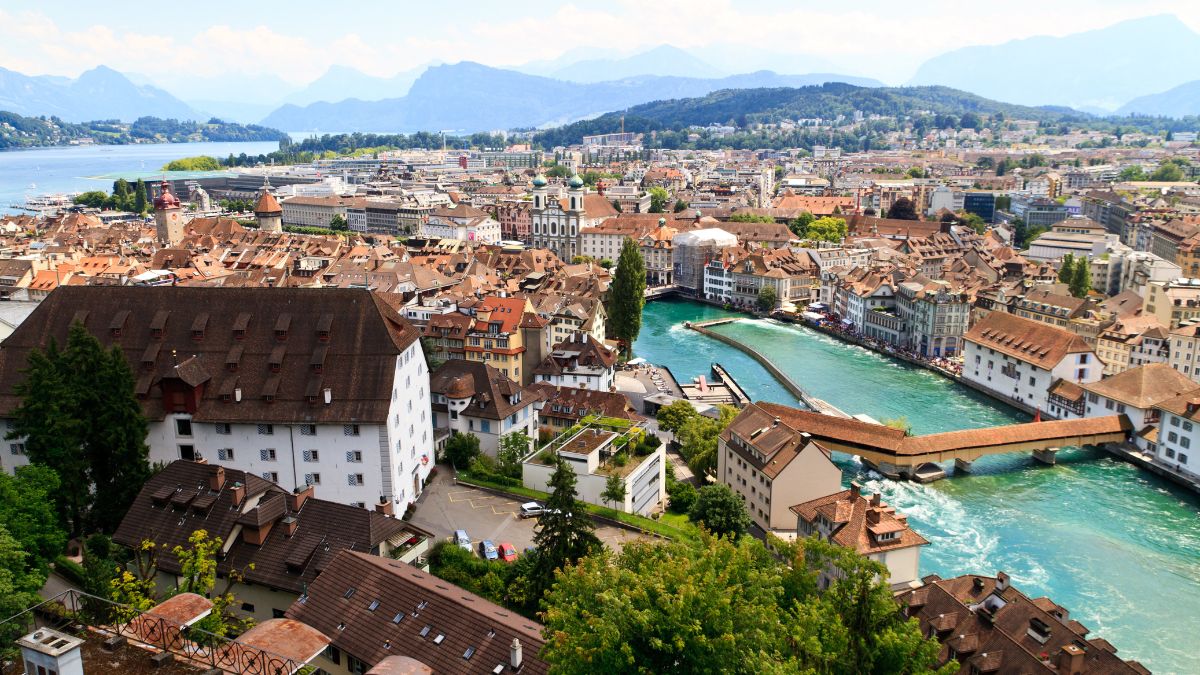
Late spring and early autumn bring Switzerland’s most pleasant weather, with temperatures between 15-22°C in lower areas and cooler 8-15°C in the Alps. You can stroll Lucerne’s Chapel Bridge or trek in the Jungfrau region without summer’s heat or winter’s deep snow. Lakeside towns like Montreux are warm enough for boat rides, with crisp mountain air.
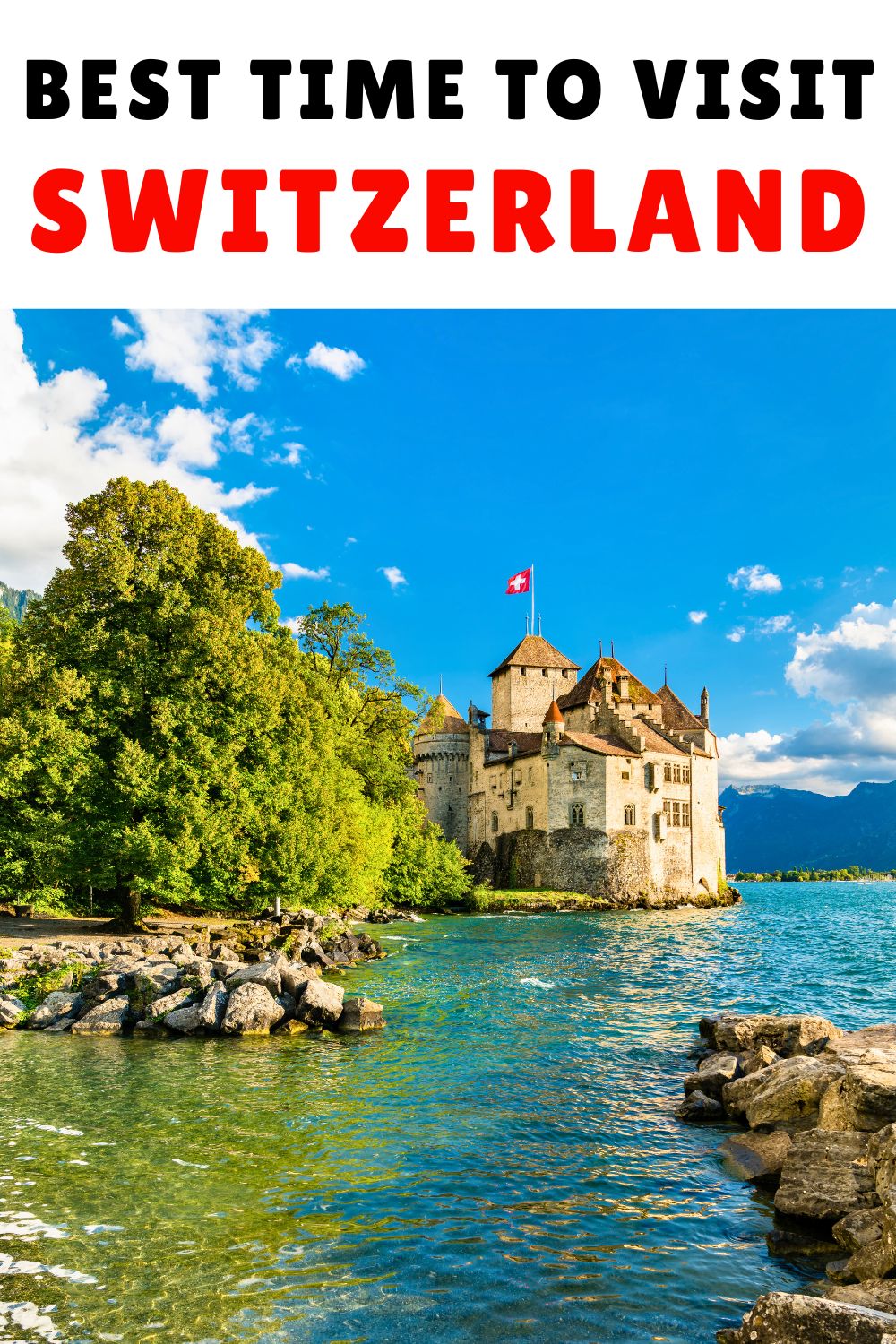
Mornings are fresh, ideal for visiting Chillon Castle or hiking in Ticino before the midday sun. Evenings cool off, perfect for raclette dinners in Gruyères or sunsets over Lake Thun.
Unlike July’s 30°C valleys or January’s icy passes, these seasons keep you comfortable for outdoor adventures. A light jacket or fleece is all you need to roam from cities to peaks.
Quieter Trails, Swiss Charm
Summer packs Switzerland’s hotspots—think Interlaken or Geneva’s Jet d’Eau—with visitors, but May, June, September, and October offer more space. You’ll linger at Matterhorn viewpoints or Lauterbrunnen’s waterfalls without weaving through crowds. Smaller villages like Appenzell or Gstaad feel cozy, with locals sharing stories over coffee.
The Bernese Oberland and Valais vineyards see fewer tour groups, making cable car rides or wine tastings more personal. Even popular spots like Basel’s Rhine promenade have a relaxed pace, with room to breathe.
These months let you tap into Switzerland’s heart. You might join a yodeling session in Emmental or browse handmade clocks at a Schaffhausen market, feeling like you’re part of the local rhythm.
Festivals and Cultural Warmth
Spring and autumn burst with Swiss traditions. May’s Fête des Vignerons in Vevey (held occasionally) celebrates wine with parades and lakeside feasts, while September’s Désalpe in Charmey brings cows down from alpine pastures, decked in bells and flowers, with cheese tastings and folk music.
June’s Art Basel draws global creatives to Basel for cutting-edge exhibits, and October’s Lugano Autumn Festival fills Ticino with jazz, food, and chestnut roasts. Smaller towns host harvest fairs, showcasing fresh apples and artisan chocolates.
Markets brim with leeks, berries, and handmade lace, and you can join baking classes in St. Moritz or cowbell-making workshops in Toggenburg. These seasons make it easy to dive into Switzerland’s flavors and heritage.
Nature’s Alpine Glow
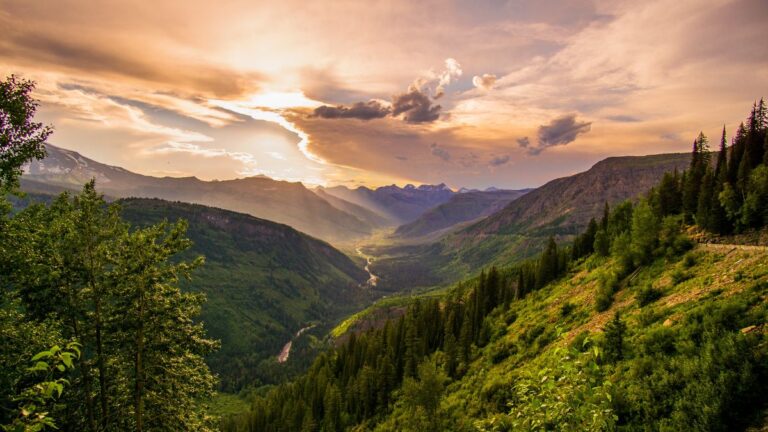
Switzerland’s landscapes dazzle in these seasons. May’s wildflowers blanket Zermatt and the Engadine, perfect for hiking or biking along Lake Lugano. September’s golden larch forests light up trails in Graubünden, and vineyards in Lavaux glow against terraced hills.
Wildlife thrives—ibex roam the Swiss National Park, easily spotted on guided walks, while marmots scamper in Verbier. Lake Constance’s shores host migratory birds, ideal for birdwatching in spring.
For adventure, try paragliding in Interlaken or kayaking on Lake Brienz. The mild weather makes every moment—from spotting chamois in Aletsch to stargazing in Muottas Muragl—feel alive and effortless.
Travel Made Smoother
Spring and autumn are kinder on your wallet than peak summer or ski season. Flights to Zurich or Geneva can be 10-20% cheaper, and accommodations—from chalets in Wengen to hostels in Bern—offer better rates. You’ll find deals on train passes or guided tours, too.
Restaurants serve seasonal dishes like Zürcher Geschnetzeltes or pumpkin soup at fair prices, and activities like cable cars to Schilthorn or boat trips on Lake Lucerne are less booked up, with more last-minute options. Day trips to Rigi or Locarno run smoothly with stable weather.
With milder conditions, you won’t face summer’s crowded trains or winter’s snowy roads. You can focus on savoring Switzerland’s magic—whether it’s a hot chocolate in Gimmelwald or a sunset over the Rhône—without a hitch.