Best Time to Visit Iceland

As participants in Amazon Associates and other programs, we earn from qualifying purchases. This comes at no additional cost to you. For more details, see our Affiliate Disclosure.
Iceland’s raw beauty—think gushing waterfalls, steaming geysers, and glacier-carved valleys—makes it a place that feels like another planet. The best time to visit Iceland is late spring (May to June) or early autumn (September to October), when you get mild weather, fewer crowds, and a front-row seat to the island’s natural wonders. These months strike a balance between decent daylight, affordable prices, and a chance to catch the northern lights or midnight sun without the summer rush.
Whether you’re chasing waterfalls along the Ring Road or soaking in a geothermal hot spring, timing your trip right unlocks Iceland’s magic. You’ll dodge the peak-season bustle, enjoy crisp days for hiking, and maybe even spot puffins or auroras. Let’s explore why these seasons shine and how to make the most of your Icelandic adventure.
Weather That Works for You
In late spring and early autumn, Iceland’s weather is kind enough for outdoor fun. Temperatures range from 5-12°C, with May and September often feeling crisp but manageable for exploring places like Thingvellir National Park or the black sand beaches of Reynisfjara. Rain is possible, but it’s usually light, and you’ll get plenty of dry spells.
Daylight is a big plus—May and June offer nearly 24-hour brightness thanks to the midnight sun, perfect for late-night drives to spots like Seljalandsfoss. September and October bring shorter days but enough light to roam, plus the first whispers of winter’s northern lights.
Compared to July’s crowds or winter’s icy roads, these months let you adventure comfortably. Pack layers, and you’re ready for anything from glacier hikes to cozy evenings in Reykjavik’s cafes.
Quieter Trails and Sights
Summer floods Iceland with visitors, clogging up hot spots like the Blue Lagoon or Gullfoss waterfall. In May, June, September, or October, you’ll have more space to linger at iconic sites like Skogafoss or the Jökulsárlón glacier lagoon, where icebergs float in surreal silence. It’s easier to feel the landscape’s power without a tour bus in sight.
Smaller towns like Seydisfjordur or Vik feel alive but not overrun, letting you chat with locals at a harborside pub or browse wool sweaters in peace. Roads are less busy, making self-driving the Ring Road a breeze, with fewer cars vying for parking at viewpoints.
Even popular activities like horseback riding on Icelandic ponies or boat tours among icebergs are less hectic. You can savor the moment, whether it’s snapping photos or just breathing in the salty, crisp air.
Nature’s Showtime
Late spring and early autumn are prime for Iceland’s natural spectacles. In May and June, puffin colonies thrive along cliffs like Látrabjarg, and you can spot these adorable birds nesting before they head out to sea. Wildflowers bloom across meadows, adding pops of color to hikes in the East Fjords.
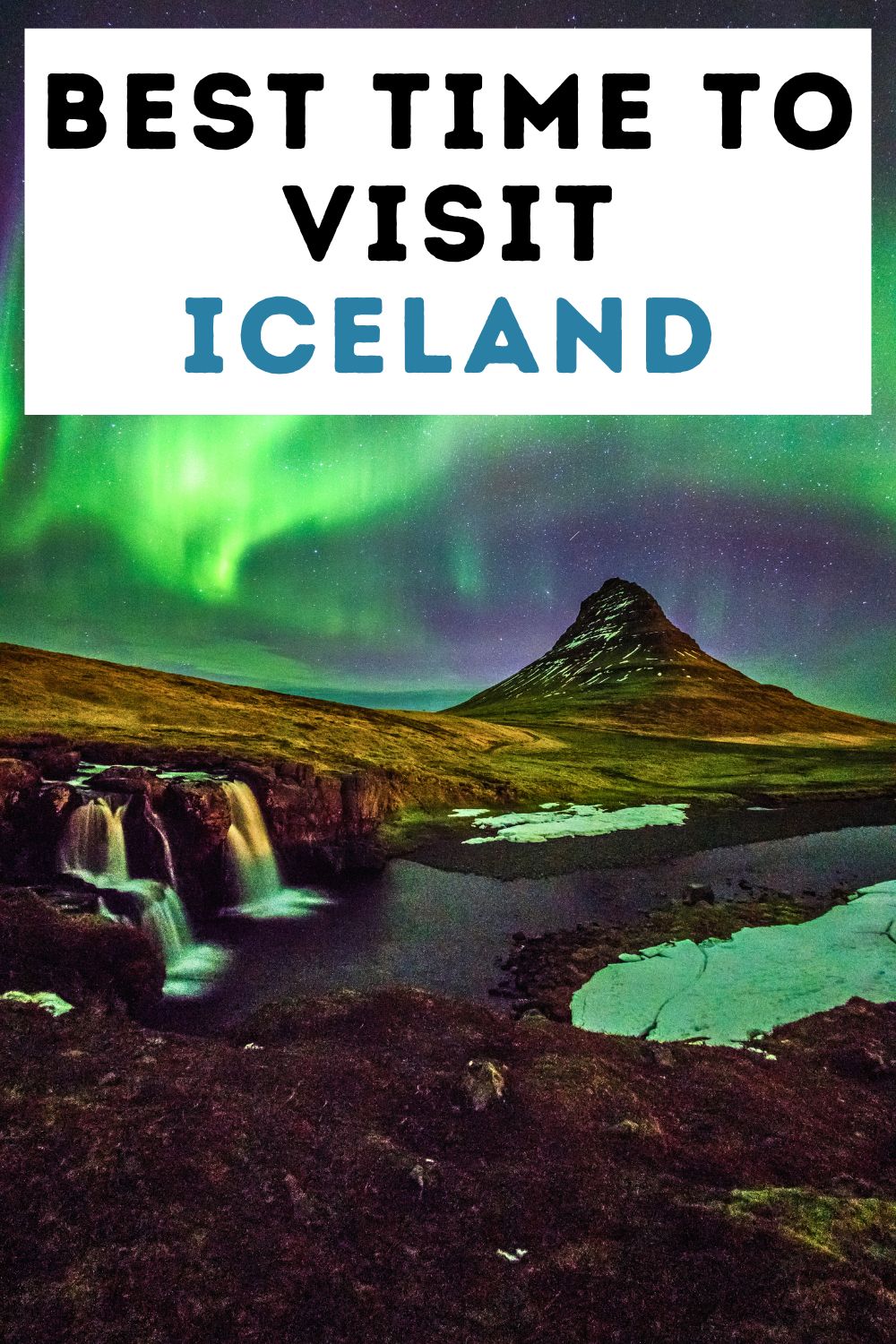
September and October kick off northern lights season, with darker skies offering a decent shot at seeing the aurora borealis, especially in remote spots like the Westfjords. Clear nights are chilly but magical, and guided aurora tours are less crowded than in deep winter.
These months also let you explore Iceland’s geothermal pools—like the Secret Lagoon or Mývatn Nature Baths—with fewer people. Soaking in warm, mineral-rich water surrounded by volcanic rocks feels like a private retreat.
Budget-Friendly Exploring
Traveling in May, June, September, or October stretches your budget further. Flights to Keflavik and car rentals can be 15-25% cheaper than peak summer, and guesthouses or Airbnb stays in places like Akureyri are more affordable. You’ll find better deals on tours, from glacier walks to whale-watching in Húsavík.
Restaurants in Reykjavik, like those serving hearty lamb soup or fresh cod, often have off-season specials. Even entry to thermal baths or museums, like the Perlan in Reykjavik, feels less like a splurge when prices dip.
With fewer visitors, you’re more likely to snag last-minute bookings for activities or cozy cabins with hot tubs. It’s easier to plan a dream trip without feeling priced out or rushed.
Adventures in the Wild
Iceland’s landscapes beg to be explored, and these seasons make it easy. Hiking trails in places like Skaftafell or the Highlands are accessible, with snow mostly gone but paths not yet packed. You can trek to hidden waterfalls like Glymur or wander moss-covered lava fields without overheating.
For thrill-seekers, spring and autumn are great for snowmobiling on Langjökull glacier or ATV rides along volcanic trails. The seas around Reykjavik or Grundarfjordur are calm enough for kayaking, with chances to spot seals or orcas.
If you’re into photography, the soft light of May or September makes every vista—from the basalt columns of Studlagil Canyon to the rainbow-streaked hills of Landmannalaugar—pop. You’ll come home with shots that capture Iceland’s untamed spirit.