Best Time to Visit Japan
As participants in Amazon Associates and other programs, we earn from qualifying purchases. This comes at no additional cost to you. For more details, see our Affiliate Disclosure.
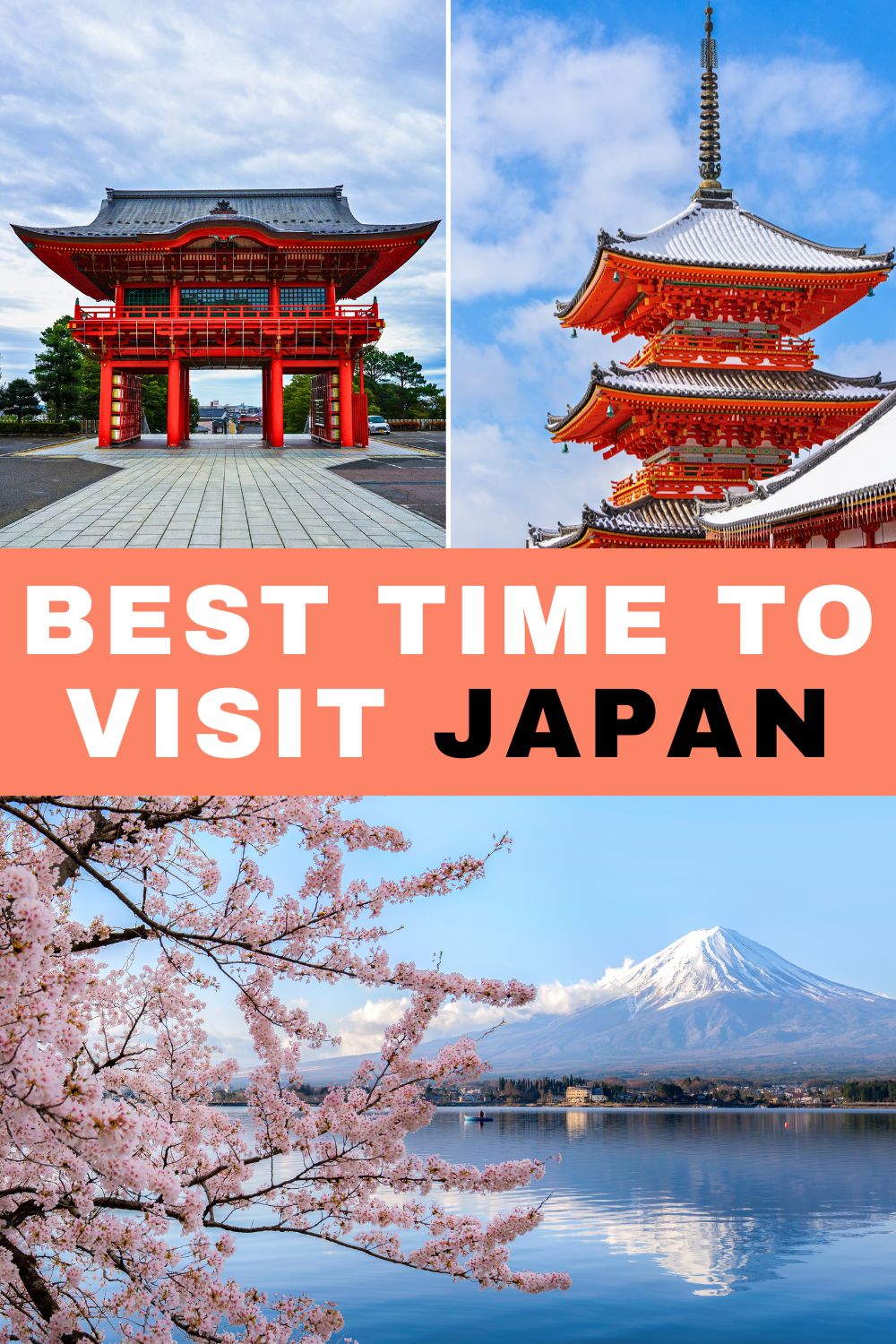
Japan is a destination that shifts with the seasons, each bringing its own charm and reasons to visit. The best time to visit Japan is spring (March to May) for cherry blossoms in full bloom or autumn (September to November) for vibrant foliage and mild weather.
Spring offers warm days and festivals like ‘Hanami,’ where locals gather under blooming sakura trees. Autumn, with its crisp air and fiery red maples, feels just as magical, especially in places like Kyoto or Nikko. Both seasons strike a balance between comfortable weather and unforgettable scenery, though they’re also the busiest, so planning ahead is key.
Deciding when to go depends on what you’re after—festivals, nature, or quieter moments. Summer has its own energy with fireworks and mountain hikes, while winter opens up snowy adventures in Hokkaido. Each season has something special, and Japan’s compact size means you can chase the perfect weather or event no matter when you land. Let’s break down what makes each season stand out, so you can pick the sweet spot for your trip.
Spring: Cherry Blossoms and Festivals
Spring in Japan is all about cherry blossoms, or ‘sakura,’ painting the country in soft pinks and whites. From late March to early April, parks like Tokyo’s ‘Ueno Park’ or Kyoto’s ‘Maruyama Park’ buzz with picnics and photo-snapping crowds. The blooms only last a week or two, so checking blossom forecasts is a must to catch them at their peak.
Festivals pop up everywhere in spring, adding to the vibe. In Kyoto, the ‘Miyako Odori’ showcases geisha dances, while smaller towns host ‘matsuri’ with parades and street food. The weather—mild, with highs around 15-20°C—makes it easy to wander historic temples or stroll along rivers lined with petals.
It’s not all perfect, though. Spring is peak season, so expect packed trains and pricier hotels, especially during ‘Golden Week’ in late April. Booking early and avoiding major holidays can help you dodge the worst of the crowds while soaking in the season’s beauty.
Autumn: Fiery Foliage and Crisp Days
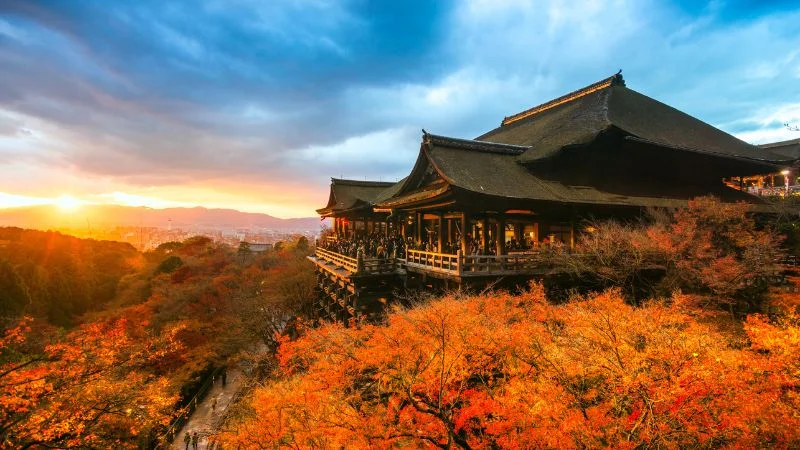
Autumn transforms Japan into a canvas of red, orange, and gold. From mid-October to November, places like Nikko’s ‘Toshogu Shrine’ or Kyoto’s ‘Arashiyama’ district draw crowds for their stunning maple leaves. The weather, with highs of 10-20°C, is cool enough for long walks but warm enough to enjoy outdoor cafes.
Food takes center stage in autumn, with seasonal treats like roasted chestnuts or ‘sanma’ (grilled mackerel) at local markets. Smaller festivals, like Nara’s ‘Shika no Tsuno Kiri’ deer-antler-cutting event, offer a quirky glimpse into local traditions. It’s a great time to explore both cities and countryside without the summer humidity.
Like spring, autumn is busy, especially in Kyoto and Tokyo. But head to lesser-known spots like Koyasan or the Japanese Alps, and you’ll find quieter trails and equally gorgeous views. Just pack a light jacket for chilly evenings, and you’re set.
Summer: Fireworks and Mountain Escapes
Summer in Japan, from June to August, is hot and humid, with temperatures often hitting 30°C or more. But it’s also alive with energy—think massive firework displays like Tokyo’s ‘Sumida River Fireworks’ or vibrant festivals like ‘Gion Matsuri’ in Kyoto. These events, with their colorful floats and street dancing, are worth sweating for.
For cooler escapes, head to the mountains. Hokkaido’s ‘Furano’ lavender fields bloom in July, and the trails of Kamikochi in the Alps offer crisp air and jaw-dropping views. Coastal areas like Okinawa also shine, with beaches and snorkeling spots that feel like a tropical getaway.
The catch? June’s rainy season can dampen plans, especially in central Japan, so pack an umbrella. Summer’s also typhoon season, mostly in late August, so keep an eye on weather updates. Still, with the right timing, summer’s bold flavors and outdoor adventures are hard to beat.
Winter: Snowy Adventures and Hot Springs
Winter, from December to February, turns Japan into a snowy wonderland, especially in the north. Hokkaido’s ‘Sapporo Snow Festival’ draws crowds with its giant snow sculptures, while ski resorts like Niseko offer world-class powder. Even Kyoto, with fewer tourists, feels serene dusted in snow.
Hot springs, or ‘onsen,’ are a winter highlight. Soaking in a steaming outdoor bath in Nagano’s ‘Yudanaka Onsen,’ surrounded by snow, is pure magic. Winter food—think steaming ‘nabe’ hotpots or fresh crab in Hokkaido—adds warmth to chilly days, with temperatures often dipping below 0°C.
Winter is less crowded, except during New Year’s, when temples like Tokyo’s ‘Meiji Jingu’ see long lines for ‘hatsumode,’ the first shrine visit. Flights and hotels are often cheaper, making it a budget-friendly time to explore. Just bundle up and embrace the cozy side of Japan.
Timing Tips for Your Trip
No matter the season, Japan’s climate varies by region, so where you’re going matters. Tokyo and Kyoto follow the spring and autumn sweet spots, but Hokkaido’s winters are best for snow lovers, while Okinawa stays warm year-round. Check regional weather patterns to match your itinerary—online tools like Japan’s meteorological sites can help.
Crowds and costs spike during cherry blossom season, autumn foliage, and holidays like ‘Obon’ in August. For a calmer trip, aim for shoulder seasons—like early March or late November—when the weather’s still pleasant but the rush has eased. Booking accommodations and Shinkansen tickets a month ahead can save you stress.
Japan’s festivals, or ‘matsuri,’ are tied to specific dates, so aligning your visit with one—like ‘Chichibu Night Festival’ in December or ‘Aomori’s Nebuta’ in August—can add a memorable spark. A quick check of local event calendars before you book can make all the difference.