Best Time to Visit Italy

As participants in Amazon Associates and other programs, we earn from qualifying purchases. This comes at no additional cost to you. For more details, see our Affiliate Disclosure.
Italy’s charm is timeless, but the best time to visit Italy is spring (April to May) or fall (September to October). These seasons offer mild weather, fewer crowds, and a chance to see cities like Rome or Florence at their most vibrant. Spring brings blooming countryside and lively festivals, while fall delivers crisp days and harvest season delights, especially in Tuscany. Both are perfect for balancing comfortable temperatures with fewer lines at iconic spots like the Colosseum or Venice’s canals.
Your ideal time depends on what you’re chasing—art and history, coastal escapes, or food and wine. Each region, from the Amalfi Coast to the Dolomites, has its own rhythm, and Italy’s varied climate means you can tailor your trip to the experience you want. Let’s explore what each season offers, so you can pick the moment that feels just right for your Italian adventure.
Spring: Blooming Landscapes and Lively Festivals
Spring in Italy is a burst of color, with wildflowers blanketing the hills of Umbria and gardens like ‘Villa d’Este’ in Tivoli at their peak. Temperatures range from 15-22°C, ideal for strolling Rome’s ‘Piazza Navona’ or hiking Cinque Terre’s coastal trails. The light crowds make it easier to linger at spots like Florence’s ‘Uffizi Gallery’ without the summer crush.
Festivals bring local flavor—Rome’s ‘Festa della Primavera’ celebrates with music and markets, while smaller towns host Easter processions full of tradition. Food shines too, with fresh artichokes and asparagus starring at trattorias. You’ll find seasonal dishes like ‘carciofi alla romana’ in every cozy restaurant.
Spring’s only hiccup is occasional rain, especially in the north. A light jacket and flexible plans keep you covered. With lower hotel prices and shorter museum lines, spring feels like Italy at its most welcoming.
Fall: Harvest Season and Golden Light
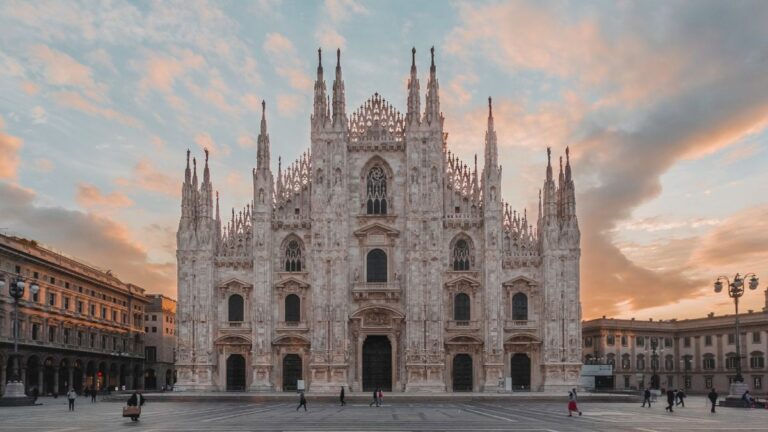
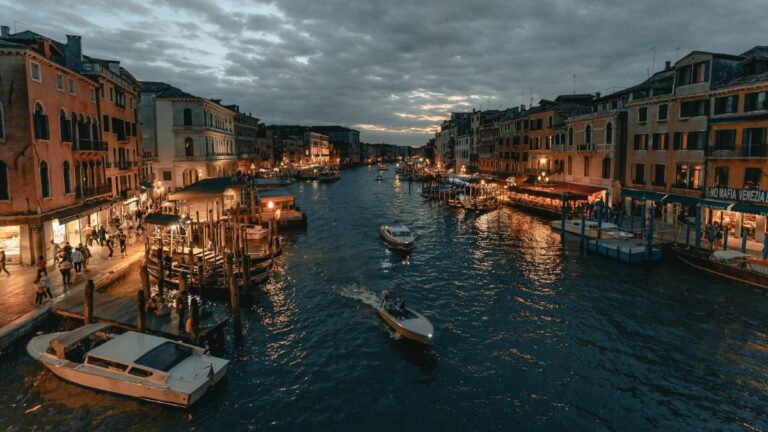
Fall paints Italy in warm hues, with vineyards in Tuscany and Piedmont glowing under golden sunlight. From September to October, temperatures of 18-25°C make it perfect for exploring Venice’s ‘Grand Canal’ or biking through Bologna’s countryside. The thinner crowds let you savor sites like Pompeii or Milan’s ‘Duomo’ without the usual hustle.
Harvest season means food festivals galore—think truffle fairs in Alba or wine tastings in Chianti. Markets brim with chestnuts, porcini mushrooms, and fresh olive oil, and restaurants serve hearty dishes like ‘pappardelle al cinghiale.’ It’s a food lover’s paradise, especially in smaller towns.
Fall can see some rain, particularly in November, so pack layers. But the season’s beauty and lower costs—outside of peak festival weekends—make it a favorite for those who want Italy’s heart without the high-season buzz.
Summer: Sun-Soaked Coasts and Vibrant Nights
Summer, from June to August, turns Italy into a sun-drenched playground. The Amalfi Coast’s ‘Positano’ beaches and Sardinia’s ‘Cala Mariolu’ sparkle under 28-33°C skies, drawing swimmers and sunbathers. Cities like Florence and Rome pulse with open-air concerts and late-night gelato runs, especially during events like Rome’s ‘Estate Romana’ festival.
Island escapes like Sicily or Capri shine, with clear waters for snorkeling and vibrant markets selling fresh figs and tomatoes. Smaller towns, like ‘San Gimignano,’ host medieval fairs with flag-throwing and feasts, adding a playful vibe to warm evenings.
The downside? Summer brings crowds and high prices, especially at coastal hotspots. Heat can also slow you down in cities—stay hydrated and plan museum visits for early mornings. For quieter trips, head to Puglia or the Lakes District, where you’ll find space to breathe.
Winter: Quiet Cities and Alpine Adventures
Winter, from December to March, offers a quieter Italy, with temperatures between 5-15°C and fewer tourists. Cities like Florence and Venice feel intimate—wandering ‘Ponte Vecchio’ or ‘St. Mark’s Square’ in the mist is pure magic. Museums like Rome’s ‘Vatican Museums’ have shorter lines, letting you linger with masterpieces.
The Alps, especially in Courmayeur or Cortina, become a snowy playground for skiers and snowboarders. Meanwhile, Christmas markets in Bolzano or Naples’ ‘Via San Gregorio Armeno’ brim with handmade nativity scenes. Winter dishes—think polenta with wild boar or ‘tortellini in brodo’—warm you up in cozy osterias.
Rain and cold are common, especially in the north, so pack a good coat. Winter’s also budget-friendly, except during Christmas and Carnival in Venice, when prices spike. It’s a great time for city lovers or those craving a cozy, cultural escape.
Timing Your Italian Journey
Italy’s regions vary wildly—Sicily stays mild in winter, while the Dolomites are snowbound. Check local weather for your destinations, as Venice’s fog or Tuscany’s sun can shape your plans. Apps like Meteo.it give real-time updates to keep you prepared.
Summer and holidays like Ferragosto in August mean packed trains and pricey hotels, so book early. Spring and fall offer better deals and fewer crowds, especially in smaller towns like ‘Orvieto.’ For sites like the ‘Last Supper’ in Milan, reserve tickets weeks ahead, no matter the season.
Local festivals can elevate your trip—time your visit for Venice’s ‘Carnevale’ in February or Siena’s ‘Palio’ horse race in July for a cultural jolt. A quick glance at regional event schedules can help you catch these moments without much effort.