Best Time to Visit Costa Rica
As participants in Amazon Associates and other programs, we earn from qualifying purchases. This comes at no additional cost to you. For more details, see our Affiliate Disclosure.
Costa Rica’s lush jungles, pristine beaches, and vibrant wildlife make it a paradise for nature lovers. The best time to visit Costa Rica is the dry season (December to April), when sunny days and clear skies let you explore rainforests, volcanoes, and coastlines without constant downpours. You’ll get the most out of hiking trails, zip-lining adventures, and lazy beach days while dodging the heavier rains of the wet season.
This sweet spot offers warm weather, lively festivals, and a chance to see monkeys, sloths, and sea turtles in their element. Whether you’re surfing in Tamarindo or sipping coffee in Monteverde, the dry season sets the stage for unforgettable moments. Let’s break down why these months shine and how to plan your trip.

Perfect Weather for Adventure
From December to April, Costa Rica basks in its dry season, with temperatures between 24-32°C and minimal rain. You can hike through Arenal Volcano’s trails or wander Corcovado National Park’s jungles without slogging through mud or dodging storms. Coastal areas like Manuel Antonio stay sunny, ideal for snorkeling or lounging on white-sand beaches.
Mornings are often crisp, especially in higher spots like Monteverde’s cloud forests, making it easy to spot toucans or quetzals before the afternoon warmth kicks in. Evenings cool off just enough for a comfortable dinner by the beach or a night walk to hear frogs and owls.
Unlike the wet season’s heavy rains, which can flood roads or close trails, the dry season keeps your plans flexible. You’re free to chase waterfalls, surf, or explore without checking the forecast every hour.
Wildlife at Its Liveliest
The dry season is prime time for Costa Rica’s incredible biodiversity. Sea turtles, like leatherbacks and hawksbills, nest on beaches like Ostional and Tortuguero from February to April, offering a chance to witness their epic journeys. In rainforests, animals like howler monkeys and scarlet macaws are more active, easier to spot without dense foliage or rain.
Birdwatching is a highlight, with migratory species flocking to places like Palo Verde National Park. You might catch a glimpse of a resplendent quetzal in Monteverde or a keel-billed toucan near La Fortuna. Even whales and dolphins are more visible off the Pacific coast during these months.
With clearer trails and less undergrowth, guided tours through reserves like Cahuita or Carara feel more rewarding. You’ll come away with stories of sloths hanging overhead or iguanas sunning on rocks.
Vibrant Festivals and Culture
Costa Rica comes alive with celebrations during the dry season. January’s Fiestas de Palmares brings rodeos, concerts, and street parties to the Central Valley, where you can sip guaro and dance to marimba music. February’s Envision Festival in Uvita blends yoga, art, and music against a jungle backdrop.
Local markets in San José or Puerto Viejo buzz with fresh mangoes, handmade crafts, and coffee tastings. You can join in community events, like oxcart parades in Escazú, that showcase Tico pride and hospitality.
These months let you connect with Costa Rica’s laid-back vibe. Whether you’re learning to salsa at a beachside bar or chatting with farmers at a cacao workshop, the sunny weather makes every cultural moment feel effortless.
Easier Travel and Planning
The dry season means smoother logistics. Roads, especially in remote areas like the Nicoya Peninsula, are in better shape, making it easier to drive to offbeat gems like Nosara or Santa Teresa. Public buses and shuttles run on time, and domestic flights to places like Drake Bay are less likely to face weather delays.
Accommodations, from eco-lodges in Tortuguero to boutique hotels in La Fortuna, are in high demand, but booking early scores you great spots. You’ll find more availability for guided tours, like whitewater rafting on the Pacuare River or zip-lining in Rincón de la Vieja.
While prices peak compared to the wet season, the reliability of dry weather means fewer cancellations or reroutes. You can pack light—think swimsuits and hiking shoes—and focus on the adventure instead of backup plans.
Beaches and Outdoor Thrills
Costa Rica’s coasts and jungles shine in the dry season. Beaches like Playa Conchal or Samara are perfect for surfing, kayaking, or just soaking up the sun, with calm waves and warm water. The Caribbean side, including Cahuita, offers vibrant coral reefs for snorkeling.
Inland, you can tackle adrenaline-pumping activities like canyoning in Arenal or horseback riding through Guanacaste’s dry forests. Monteverde’s hanging bridges and zip-lines let you glide above misty canopies, with clear views of the forest floor below.
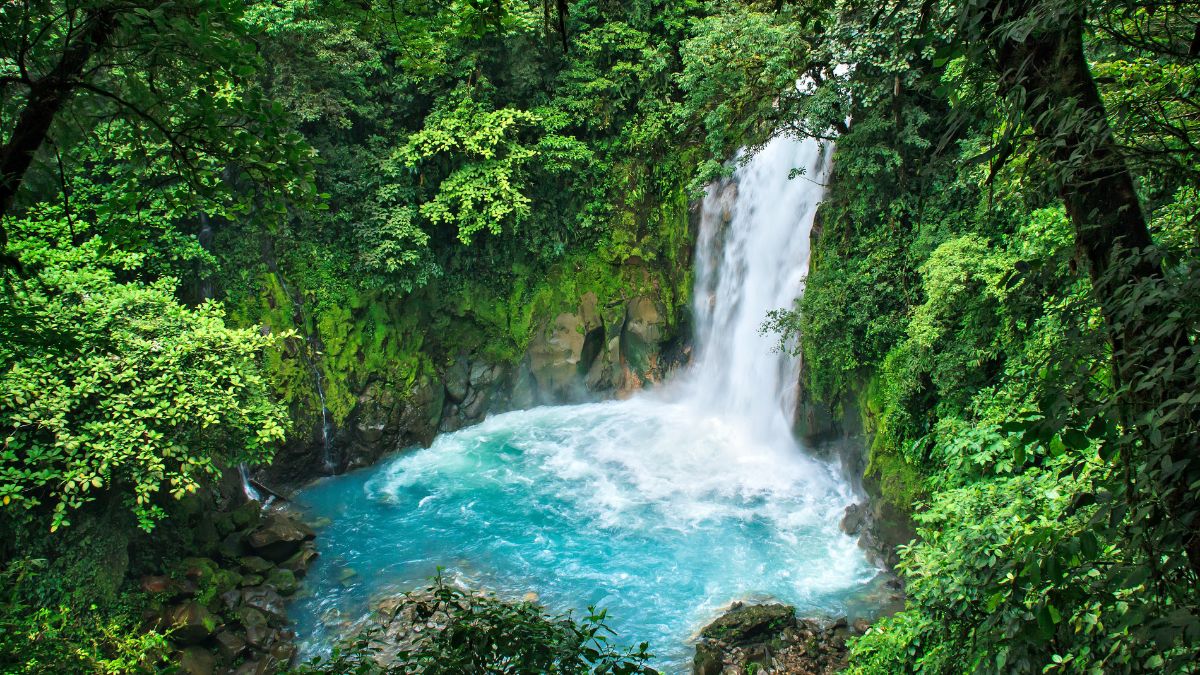
For a quieter escape, paddle through mangroves in Damas Island or hike to hidden waterfalls in Bajos del Toro. The dry season opens up every corner of Costa Rica, letting you chase thrills or find your own slice of pura vida.