10 Best Summer Destinations in Italy for Sun, Sand, and Culture

As participants in Amazon Associates and other programs, we earn from qualifying purchases. This comes at no additional cost to you. For more details, see our Affiliate Disclosure.
Italy in the summertime is something special. When we think about the perfect summer destinations in Italy, images of sparkling coastlines, ancient towns, and delicious food often come to mind. Finding places that offer the ideal mix of sun, sand, and culture is key to an unforgettable Italian getaway, letting you relax on the beach one moment and explore history the next.
The country boasts an incredible variety of coastal experiences, from glamorous islands to rugged mainland shores and charming seaside villages. Whether you’re dreaming of turquoise waters, historical ruins overlooking the sea, or vibrant local traditions, Italy delivers. Let’s dive into ten fantastic spots where you can soak up the best of Italian summer life.
Amalfi Coast
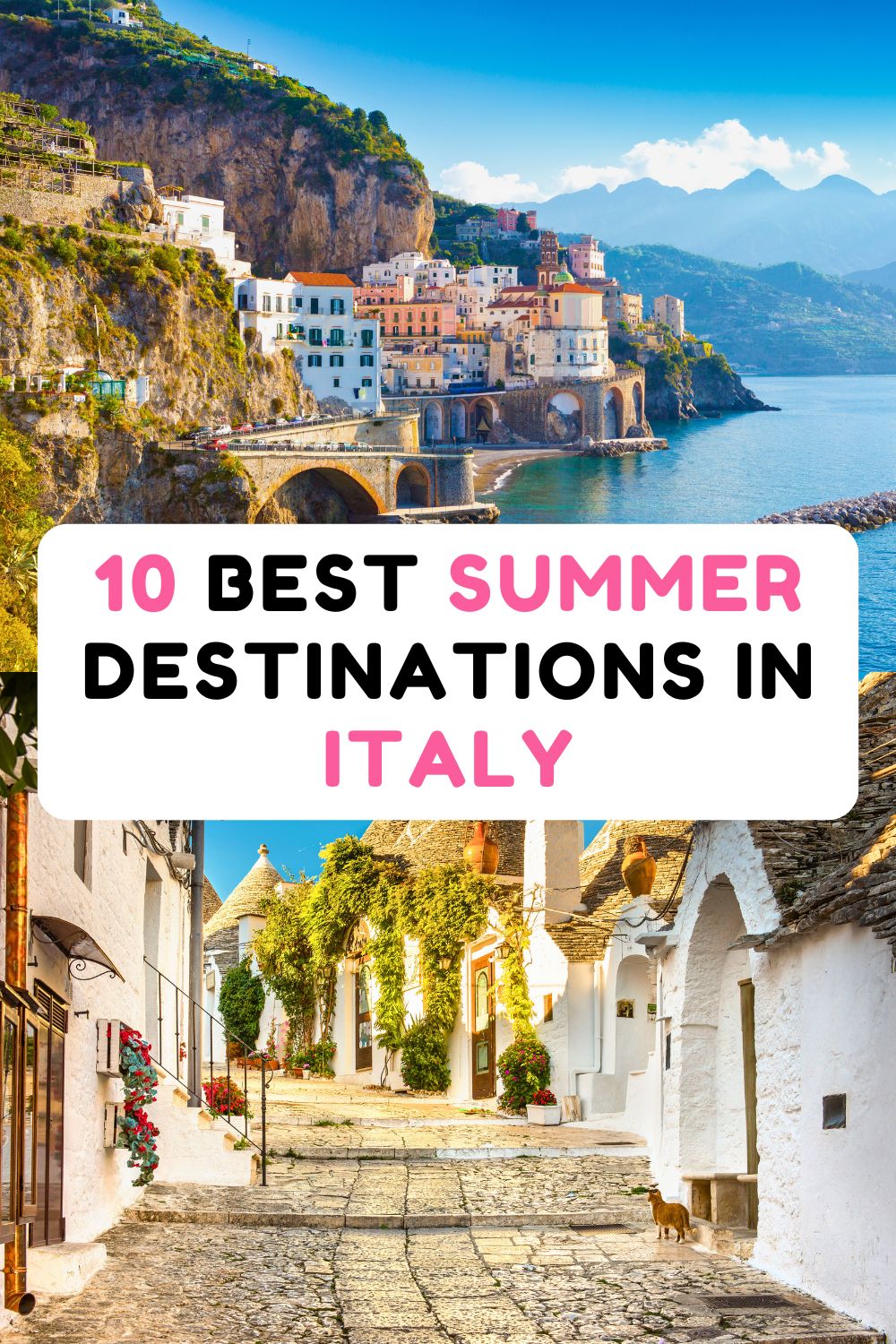
The Amalfi Coast is undeniably stunning, with its dramatic cliffs plunging into the Tyrrhenian Sea and colourful villages like Positano and Amalfi clinging precariously to the hillsides. The beaches here are often small, picturesque coves, sometimes pebbly, tucked away beneath the towns. Getting out on a boat offers the best perspective of this breathtaking coastline and helps you reach some of the more secluded spots.
Beyond the beauty, there’s plenty of history. Amalfi town itself has a magnificent Duomo dedicated to St. Andrew, showcasing Arab-Norman architecture. High above, Ravello offers elegant villas with world-famous gardens, like ‘Villa Cimbrone’ and ‘Villa Rufolo’, which hosts classical music concerts during the summer. Getting around involves navigating narrow, winding roads or using the efficient ferry system, which is often the more relaxing choice.
Cinque Terre
These five famous villages – Monterosso al Mare, Vernazza, Corniglia, Manarola, and Riomaggiore – are nestled along the rugged Ligurian coastline. Known for their colourful houses tumbling down to tiny harbours, the Cinque Terre offers a unique blend of sea views and hiking. While sandy beaches are limited (Monterosso has the largest), the charm lies in swimming in the clear waters of the small coves or relaxing by the harbours.
Recognized as a UNESCO World Heritage site, the culture here is intertwined with the landscape. Terraced vineyards produce local wines, including the sweet Sciacchetrà, and this is the birthplace of pesto. Cars are largely restricted within the villages, making the train and ferry services the main ways to hop between them. The scenic hiking trails connecting the villages are a highlight, though it’s wise to check their status as they can sometimes close due to weather or maintenance.
Sardinia (Chia)
Down on the southern tip of Sardinia, the Chia area is famed for its absolutely gorgeous beaches. Think fine white sand dunes meeting incredibly clear, turquoise water. Beaches like ‘Su Giudeu’ and ‘Cala Cipolla’ feel almost Caribbean. It’s a more natural, less developed vibe compared to the island’s glitzier Costa Smeralda, perfect for pure beach relaxation.
But it’s not just about the sand. Nearby, the archaeological site of Nora reveals Punic and Roman ruins located right by the sea – a fascinating glimpse into the island’s ancient past. Inland, you can discover Sardinia’s unique Nuragic culture through the ancient stone structures called ‘nuraghi’. A car is pretty essential here to hop between the different beaches and explore the surrounding area effectively.
Taormina, Sicily
Perched dramatically on a hilltop overlooking the Ionian Sea, Taormina is one of Sicily’s most beloved destinations. Its star attraction is the ancient Greek Theatre, which boasts truly jaw-dropping views of the coastline and, on clear days, Mount Etna smoking in the distance. The main beaches, like the beautiful ‘Isola Bella’ nature reserve and ‘Mazzarò’, are located below the town, easily reached via a scenic cable car ride.
The town itself is a delight to explore, especially the main street, ‘Corso Umberto’, lined with shops, cafes, and historic buildings. The ancient theatre still hosts concerts and events, making for a magical evening experience. Staying in Taormina town offers atmosphere and views, while you travel down to the sea for beach time. It’s a popular spot, so expect crowds and higher prices during peak season.
Salento Peninsula, Puglia
Located in the “heel” of Italy’s boot, the Salento Peninsula offers two distinct coastlines and a rich cultural identity. The Ionian coast to the west is known for its long, sandy beaches with incredibly clear water, sometimes called the ‘Maldives of Salento’. The Adriatic coast to the east is generally rockier, with dramatic cliffs, sea caves (like the ‘Grotta della Poesia’), and charming towns like Otranto.
Inland, the city of Lecce is a must-visit, renowned for its exuberant Baroque architecture carved from local limestone – it’s often nicknamed the ‘Florence of the South’. Salento has its own distinct culture, including the energetic ‘Pizzica’ folk music and dance. Food is a highlight too, with local pastas like orecchiette and abundant fresh seafood. Basing yourself centrally allows easy exploration of both coasts.
Tropea, Calabria
Tropea sits spectacularly atop cliffs overlooking the Tyrrhenian Sea on Calabria’s ‘Coast of the Gods’ (‘Costa degli Dei’). The views are incredible, especially looking out towards the Sanctuary of ‘Santa Maria dell’Isola’, perched dramatically on a rocky outcrop just offshore. Below the town lie beautiful white sand beaches with crystal-clear water, perfect for swimming and sunbathing.
The historic centre of Tropea is charming, with narrow lanes, old palazzi, and a Norman cathedral. Culturally, Tropea is famous throughout Italy for its exceptionally sweet red onions (‘Cipolle Rosse di Tropea IGP’), which feature heavily in local cuisine. Calabria is generally less crowded and less expensive than some of the more famous northern Italian destinations, offering a more laid-back feel.
Capri
The island of Capri, sitting in the Bay of Naples, has long been associated with glamour and natural beauty. Its iconic sights include the Blue Grotto sea cave, the striking Faraglioni rock formations rising from the sea, and breathtaking viewpoints. Beaches on Capri are typically small pebble coves, like those at ‘Marina Piccola’, often best reached by boat tour, which is a fantastic way to see the island’s grottoes and coastline.
Culturally, Capri has attracted artists, writers, and even Roman emperors – you can visit the ruins of Emperor Tiberius’s ‘Villa Jovis’. The ‘Gardens of Augustus’ offer stunning views, and the town of Anacapri hosts Axel Munthe’s beautiful ‘Villa San Michele’. The island gets very busy with day-trippers, so staying overnight allows you to enjoy the magical atmosphere once the crowds depart.
Ischia
Also in the Bay of Naples, Ischia is Capri’s larger, more laid-back neighbour. It’s particularly famous for its natural thermal springs, with numerous spa parks like ‘Giardini Poseidon’ and ‘Negombo’ offering a relaxing experience with pools of varying temperatures set in lush gardens right by the sea. Ischia also boasts a wider variety of beaches than Capri, including several long sandy stretches.
A major cultural landmark is the impressive Aragonese Castle, dramatically situated on its own rocky islet connected to Ischia Ponte by a stone causeway – it’s like a small village in itself with churches, prisons, and gardens to explore. The island also features beautiful gardens like ‘La Mortella’, created by the wife of composer William Walton. Ischia is easily accessible by ferry from Naples and offers diverse towns and atmospheres.
Cefalù, Sicily
Cefalù is a picture-perfect town on Sicily’s northern coast, combining a lovely, long sandy beach right alongside its historic centre. The town is dramatically set beneath a towering rocky headland known as ‘La Rocca’. This proximity of beach and town makes it incredibly convenient – you can be exploring medieval streets one minute and swimming in the sea the next.
The town’s crowning glory is its magnificent Norman Cathedral, a UNESCO World Heritage site famous for its stunning Byzantine mosaics, particularly the Christ Pantocrator in the apse. Wandering the narrow streets reveals charming squares and sea views. For the energetic, climbing ‘La Rocca’ rewards you with panoramic vistas and the ruins of an ancient temple. Cefalù also serves as a good base for exploring the nearby Madonie mountains.
Elba Island, Tuscany
The largest island in the Tuscan Archipelago, Elba offers a fantastic mix of beautiful beaches, clear waters, and historical interest. Its coastline is incredibly varied, featuring long sandy bays like ‘Biodola’ and ‘Cavoli’, smaller pebble coves perfect for snorkelling, and dramatic granite cliffs. The clear waters make it popular for diving and other water sports.
Elba is most famous as the place of Napoleon Bonaparte’s first exile, and you can visit his two residences, ‘Villa dei Mulini’ in Portoferraio and the more rural ‘Villa San Martino’. The island also has a long history of mining, evident in some landscapes. Charming port towns like Portoferraio (the main arrival point by ferry from Piombino) and Capoliveri offer lovely places to wander and dine. Elba is great for an active holiday, with plenty of hiking and biking trails alongside the beach options.