Agoda Reports 55 Percent Rise in Hari Raya Accommodation Searches Across Southeast Asia
As participants in Amazon Associates and other programs, we earn from qualifying purchases. This comes at no additional cost to you. For more details, see our Affiliate Disclosure.
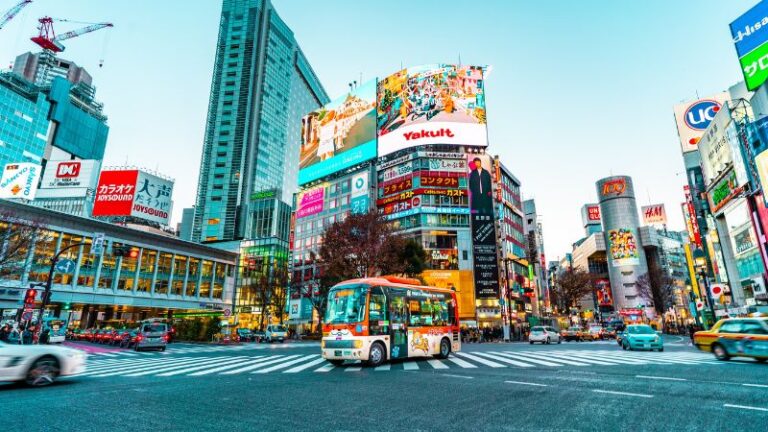
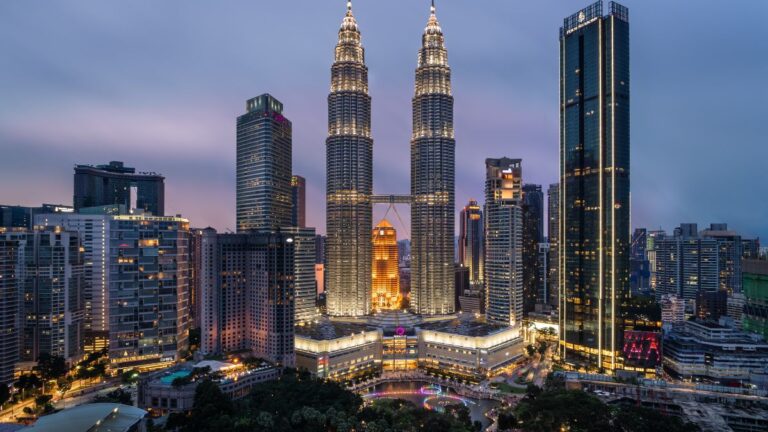
Digital travel platform Agoda recorded a 55 percent month-on-month increase in accommodation searches from travelers in Malaysia, Indonesia, and Singapore for check-ins during the Hari Raya festive period from March 20 to 23 2026. The surge reflects heightened demand for both domestic and international stays amid the Eid al-Fitr celebrations. Japan and China emerged as leading international search destinations alongside traditional regional favorites like Indonesia, Malaysia, and Thailand.
The platform’s data indicates a shift toward diverse getaway options during the holiday, with travelers seeking experiences beyond proximity-based trips. Close-to-home locations maintain strong appeal for family-oriented visits, while longer-haul searches to Japan and China suggest interest in cultural immersion or urban exploration during the festive window. Agoda attributes the trend to improved connectivity and promotional offerings timed to the period.
Southeast Asian tourism operators anticipate elevated bookings in resort areas and city hotels catering to multi-generational groups. The festive timing coincides with school holidays in several countries, extending average stay lengths and boosting occupancy in leisure-focused properties. Industry sources note that such spikes often lead to higher room rates and quicker sell-outs in popular segments.
The increase aligns with broader recovery patterns in regional travel post-geopolitical disruptions, as passengers prioritize short-haul and culturally significant destinations. Agoda highlighted that search volumes provide early indicators of actual bookings, with conversion rates typically following closely during peak religious holidays. Travelers planning Hari Raya trips are advised to secure reservations promptly given the observed momentum.
This festive-driven demand contributes to stabilizing tourism flows in Southeast Asia amid external pressures on longer international routes. Authorities and platforms continue to monitor trends to support sustainable visitor distribution across urban and island locations. The period remains a key window for economic contributions from domestic and intra-regional travel segments.