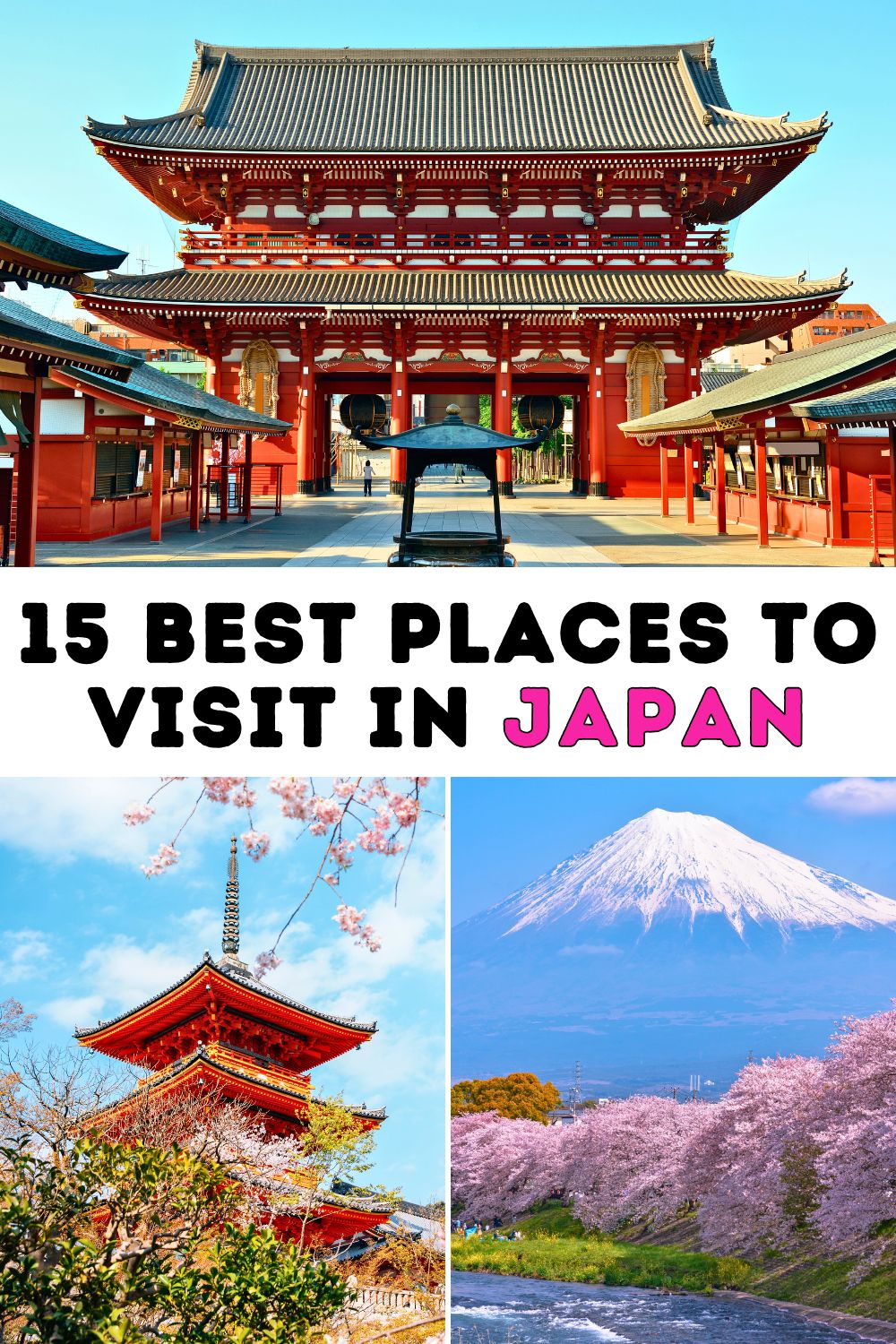
15 Best Places to Visit in Japan
As participants in Amazon Associates and other programs, we earn from qualifying purchases. This comes at no additional cost to you. For more details, see our Affiliate Disclosure.
Hey travel buddies! Japan is a country that’ll blow your mind with its mix of old traditions and super modern vibes. From bustling cities to peaceful temples and stunning natural beauty, there’s something for everyone. Planning a trip can feel overwhelming, so I’ve put together a list of 15 fantastic places you absolutely have to check out. Get ready for an adventure!
This list covers a range of experiences, so you can pick what excites you most. Whether you’re into ancient history, delicious food, vibrant nightlife, or serene landscapes, Japan has it all. These aren’t just tourist traps; they’re places that offer a real taste of Japanese culture and will leave you with amazing memories. Let’s dive in!
Tokyo’s Electric Town
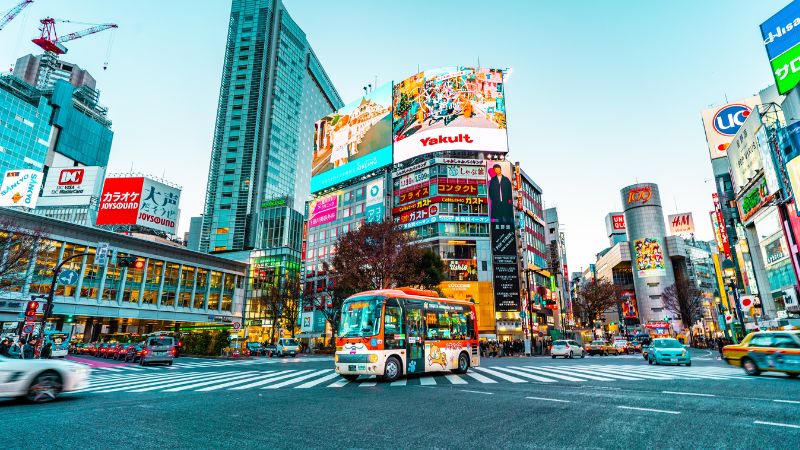
Akihabara, also known as Electric Town, is a sensory overload in the best way possible. You’ll find stores selling every gadget imaginable, from the latest smartphones to retro video games. It’s also the heart of anime and manga culture, with shops packed with figurines, comics, and cosplay gear.
Even if you’re not a hardcore techie or anime fan, Akihabara is worth a visit just for the atmosphere. The bright lights, loud music, and unique street style create an unforgettable experience. You can spend hours just wandering around and soaking it all in. Don’t forget to check out a themed cafe for a quirky break.
For a different kind of experience in Akihabara, look for arcades filled with classic and modern games. You can also find maid cafes and other themed establishments that offer a glimpse into Japanese pop culture. The energy of this district is contagious, and it’s a must-see for anyone visiting Tokyo.
Kyoto’s Golden Pavilion
Kinkaku-ji, or the Golden Pavilion, is a breathtaking Zen Buddhist temple covered in gold leaf. It sits beautifully on the edge of a pond, reflecting its shimmering image in the water. It’s one of the most iconic sights in Japan, and for good reason.
The temple was originally built as a retirement villa for a shogun, and later converted into a temple. While you can’t go inside, the view from the outside is stunning. The contrast of the golden building against the surrounding greenery and water is truly magical, especially on a sunny day.
The gardens around Kinkaku-ji are also worth exploring. They offer different viewpoints of the pavilion and are meticulously maintained. Allow some time to stroll through the grounds and enjoy the peaceful atmosphere. It’s a place where you can feel a sense of history and tranquility.
Mount Fuji’s Majestic Views
Mount Fuji is Japan’s tallest peak and a symbol of the country. Seeing its perfectly symmetrical cone is an unforgettable experience. The best time to view it clearly is during the winter months when the air is crisp and visibility is high.
There are many places to get great views of Mount Fuji. The Fuji Five Lakes region offers stunning reflections of the mountain in the water. Hakone, with its hot springs and cruise on Lake Ashi, also provides fantastic vistas. You can even hike partway up during the official climbing season in summer.
Whether you’re a serious hiker or just want to admire it from afar, Mount Fuji is a must-see. Its majestic presence has inspired artists and poets for centuries. Catching a glimpse of its snow-capped peak is a truly special moment on any trip to Japan.
Nara’s Friendly Deer
Nara Park is home to hundreds of wild but surprisingly tame deer that roam freely. These deer are considered sacred in Shintoism and are a major attraction. You can buy crackers to feed them, and they’ll often bow to you in anticipation!
Visiting Nara Park is a unique and fun experience. The deer are generally gentle, but it’s always wise to be cautious, especially with younger children. The park also contains Todai-ji Temple, which houses a giant bronze Buddha statue, and other historical sites.
Spending a few hours in Nara Park allows you to connect with nature and history in a memorable way. Watching the deer interact with visitors and each other is quite entertaining. It’s a perfect day trip from Kyoto or Osaka.
Hiroshima’s Peace Memorial Park
Hiroshima Peace Memorial Park is a poignant reminder of the atomic bombing during World War II. The park serves as a memorial to the victims and a symbol of hope for world peace. Visiting this site is a moving and educational experience.
The park includes the Peace Memorial Museum, which tells the story of the bombing and its aftermath through personal accounts and artifacts. It’s a powerful and sometimes difficult experience, but an important one for understanding history. The Atomic Bomb Dome, a preserved ruin, stands as a stark reminder of the devastation.
Walking through the park, you’ll see various monuments and memorials dedicated to the victims. The Children’s Peace Monument, inspired by the story of Sadako Sasaki, is particularly touching. Visiting Hiroshima offers a chance for reflection and a deeper understanding of the impact of war.
Osaka’s Dotonbori District
Dotonbori is Osaka’s vibrant entertainment district, famous for its bright lights, delicious street food, and lively atmosphere. The iconic Glico Running Man sign is a must-see photo opportunity. This area truly comes alive at night.
You can spend hours wandering through Dotonbori, trying local specialties like takoyaki (octopus balls) and okonomiyaki (savory pancake). There are countless restaurants, bars, and shops to explore. Don’t be afraid to try new things and soak in the energy of the crowds.
Cruising along the Dotonbori canal is another popular activity, offering a different perspective of the dazzling lights and bustling scene. Whether you’re looking for a delicious meal, a fun night out, or just a taste of Osaka’s lively spirit, Dotonbori is the place to be.
Hakone’s Volcanic Hot Springs
Hakone is a mountain resort town known for its natural beauty, hot springs (onsen), and views of Mount Fuji. It’s a perfect escape from the city and offers a variety of activities. The volcanic hot springs in Owakudani are a particularly interesting site.
Owakudani was created by a volcanic eruption thousands of years ago and still has active sulfurous vents and hot springs. You can take a ropeway up to get close to the geothermal activity and enjoy panoramic views of Mount Fuji on a clear day. Don’t forget to try the black eggs, cooked in the hot spring water.
A cruise on Lake Ashi offers stunning views of Mount Fuji and the surrounding scenery. You can also visit art museums, gardens, and historic sites in the Hakone area. Staying at a traditional ryokan with its own onsen is a relaxing and authentic Japanese experience.
Kanazawa’s Kenrokuen Garden
Kenrokuen is considered one of Japan’s three great gardens. It’s a beautiful landscape garden featuring ponds, streams, hills, and teahouses. Each element is carefully designed to create a harmonious and picturesque scene throughout the year.
The garden’s name, Kenrokuen, means “Garden of Six Sublimities,” referring to the six essential attributes of a perfect garden: spaciousness, seclusion, artificiality, antiquity, abundant water, and panoramic views. As you stroll through the garden, you’ll see how these elements come together.
Different seasons offer unique beauty in Kenrokuen. Cherry blossoms in spring, lush greenery in summer, colorful foliage in autumn, and snow-covered landscapes in winter all provide stunning vistas. It’s a place where you can appreciate the artistry of Japanese garden design and find a sense of peace.
Sapporo’s Snow Festival
The Sapporo Snow Festival is a spectacular winter event held every February. Huge and intricate snow and ice sculptures are displayed in Odori Park and other locations throughout the city. It’s a truly impressive sight and attracts visitors from all over the world.
Artists create a wide range of sculptures, from famous landmarks and cartoon characters to realistic animals and abstract designs. Some of the larger sculptures are incredibly detailed and lit up at night, creating a magical atmosphere. There are also ice slides, food stalls, and other winter activities to enjoy.
If you’re planning a trip to Japan in February, make sure to include Sapporo on your itinerary. The Snow Festival is a unique and unforgettable experience that showcases incredible artistry and the festive spirit of Hokkaido in winter.
Takayama’s Old Town
Takayama’s Sanmachi Suji district is a beautifully preserved old town with traditional wooden houses, sake breweries, and merchant shops. Walking through this area feels like stepping back in time to the Edo period. The streets are narrow and charming, perfect for a leisurely stroll.
Many of the old houses are now open to the public as museums or shops selling local crafts and souvenirs. You can sample local sake at a brewery, try traditional sweets, or browse handmade goods. The atmosphere is much quieter and more laid-back than in Japan’s larger cities.
Takayama is also known for its morning markets, where local farmers sell fresh produce and flowers. Visiting these markets gives you a glimpse into daily life in this traditional town. The Hida Folk Village, located just outside Takayama, is an open-air museum showcasing traditional farmhouses from the region.
Nikko’s Toshogu Shrine
Toshogu Shrine in Nikko is a lavishly decorated Shinto shrine complex dedicated to Tokugawa Ieyasu, the founder of the Tokugawa shogunate. The intricate carvings, vibrant colors, and gold leaf details make it a stunning example of Edo-period architecture. The “see no evil, hear no evil, speak no evil” monkeys carving is particularly famous.
The shrine complex is located in a beautiful natural setting with towering cedar trees. It includes numerous buildings, gates, and a five-story pagoda. Allow several hours to explore the entire site and appreciate the craftsmanship and historical significance.
Nikko is a UNESCO World Heritage site and offers more than just Toshogu Shrine. You can also visit other shrines and temples in the area, as well as enjoy the scenic beauty of Lake Chuzenji and Kegon Falls. It’s a great destination for a day trip or an overnight stay from Tokyo.
Fukuoka’s Canal City Hakata
Canal City Hakata in Fukuoka is a large and modern entertainment complex built around a central canal. It features shops, restaurants, a cinema, a theater, and even hotels. The canal itself hosts regular water shows with fountains and music.
This is a great place to spend an afternoon or evening, especially if you enjoy shopping and dining. The architecture is interesting, and the atmosphere is lively. You can find a wide variety of cuisines and browse both Japanese and international brands.
The water shows are a highlight, with choreographed fountains that dance to music and lights. Canal City also offers various events and promotions throughout the year. It’s a popular spot for both locals and tourists in Fukuoka.
Okinawa’s Tropical Beaches
Okinawa is a chain of islands in the south of Japan known for its beautiful tropical beaches, clear blue waters, and unique Ryukyu culture. It’s a popular destination for relaxation and water sports. The beaches here are stunning, with soft white sand and vibrant coral reefs.
You can enjoy swimming, snorkeling, diving, and other water activities in Okinawa. Some popular beaches include Manza Beach, Emerald Beach, and Kondoi Beach. The underwater world is rich with marine life, making it a great place for divers.
Beyond the beaches, Okinawa offers a different side of Japanese culture, influenced by its history as an independent kingdom. You can visit historical sites like Shuri Castle, explore vibrant local markets, and enjoy the unique Okinawan cuisine. The relaxed atmosphere and tropical climate make Okinawa a perfect getaway.
Koyasan’s Temple Stay
Koyasan is a sacred mountain region and the center of Shingon Buddhism in Japan. A unique experience here is staying overnight in a shukubo, a temple lodging. This allows you to experience the daily life of Buddhist monks, including meditation and vegetarian meals.
Waking up early for the morning prayers is a peaceful and memorable experience. The shukubo often have beautiful traditional Japanese rooms and gardens. You can also explore the many temples and shrines in Koyasan, including Okunoin Cemetery, the site of Kobo Daishi’s mausoleum.
Visiting Koyasan offers a chance for spiritual reflection and a deeper understanding of Japanese Buddhism. The serene atmosphere and the opportunity to interact with the monastic community make it a truly special destination.
Kamakura’s Great Buddha
Kamakura is a coastal town south of Tokyo famous for its Great Buddha statue, a massive bronze figure of Amida Buddha. This impressive statue sits outdoors at Kotoku-in Temple and is a powerful symbol of the town. You can even go inside the hollow statue.
Kamakura also offers other attractions, including beautiful temples like Hase-dera, known for its stunning views of the ocean and its eleven-headed statue of Kannon. The town has a relaxed beach vibe and is a popular day trip destination from Tokyo.
Exploring Kamakura allows you to combine a visit to a significant historical and religious site with the charm of a coastal town. The Great Buddha is a truly awe-inspiring sight and a must-see when visiting the area.