7 Stunning National Parks in Northern States to Escape Heat
As participants in Amazon Associates and other programs, we earn from qualifying purchases. This comes at no additional cost to you. For more details, see our Affiliate Disclosure.
Summer heat has become less of a seasonal inconvenience and more of a genuine travel deterrent, pushing millions of Americans to rethink their warm-weather itineraries entirely. The instinct to flee south toward beaches is deeply ingrained, yet the most breathtaking relief is often found in the opposite direction — tucked inside the rugged, cool corridors of the country’s northern wilderness.
The national parks northern states have to offer are wildly underestimated as summer destinations, largely because travelers associate them with fall foliage or winter solitude. What most visitors don’t realize is that these parks deliver jaw-dropping scenery alongside natural temperature regulation that no air conditioner can replicate — and a few of them come with wildlife encounters that demand serious respect.
1. Acadia National Park in Maine: Coastal Cliffs and Mountain Trails for Peak Summer Refuge
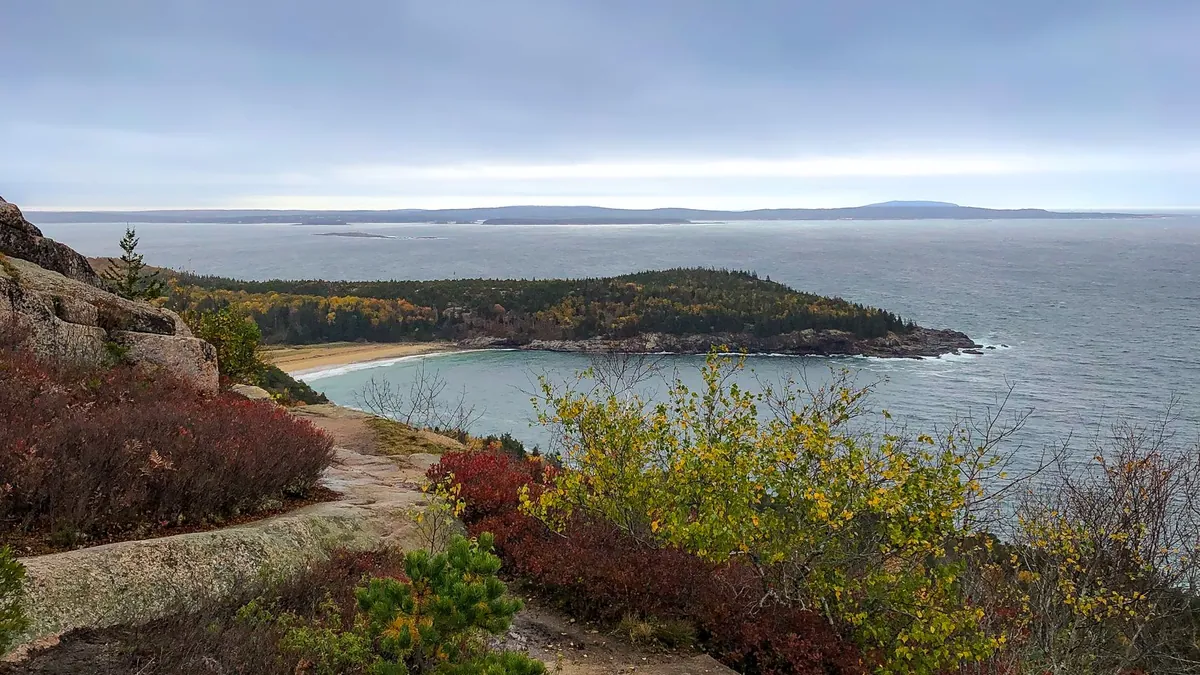
Acadia sits where the Atlantic crashes against granite cliffs on Mount Desert Island, creating a dramatic coastal ecosystem that stays refreshingly cool even in July and August. Ocean breezes sweep across the park’s 158 miles of trails, making summit hikes feel more invigorating than exhausting. If you love scenic coastal drives in the US, Acadia’s Park Loop Road is one of the most celebrated stretches in the entire country.
- Key Reality: Average summer highs hover around 75°F, making it one of the most temperate coastal parks on the East Coast.
2. Katmai National Park in Alaska: Remote Wilderness and Brown Bear Viewing in Cool Climates
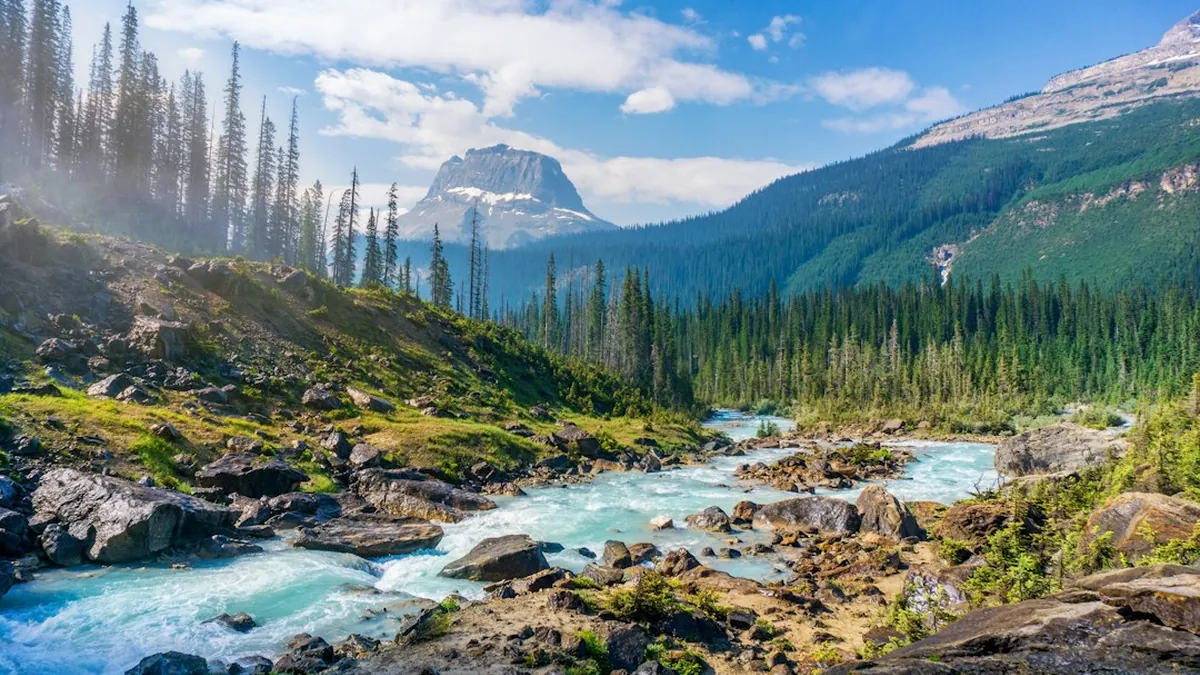
Katmai is one of the most remote and genuinely wild parks in the entire National Park System, accessible only by small aircraft or boat from King Salmon, Alaska. Summer temperatures rarely exceed 65°F, and the park’s famous Brooks Falls delivers one of nature’s most spectacular shows — brown bears snatching sockeye salmon mid-leap. Critically, as noted by National Geographic, in Alaska more people are injured by moose than bears each year, so situational awareness extends well beyond the riverbank.
- Key Reality: Katmai protects over 4 million acres, yet receives fewer than 100,000 visitors annually — true solitude at scale.
3. Glacier National Park in Montana: Alpine Peaks and Pristine Lakes Offering Natural Air Conditioning
Glacier’s high-altitude terrain — with peaks exceeding 10,000 feet — creates a natural cold-air system that keeps valley floors dramatically cooler than surrounding lowlands. The park’s 700 miles of trails wind past turquoise glacial lakes and wildflower meadows that bloom brilliantly against snowcapped ridgelines. Animals here are textbook examples of chionophiles, creatures that genuinely thrive in cold and snowy climates, as NPS winter ecology research confirms.
- Key Reality: Going-to-the-Sun Road, open mid-June through mid-October, is one of America’s most iconic mountain drives at 50 miles long.
4. Isle Royale National Park in Michigan: Island Sanctuary with Moderate Temperatures and Superior Waters
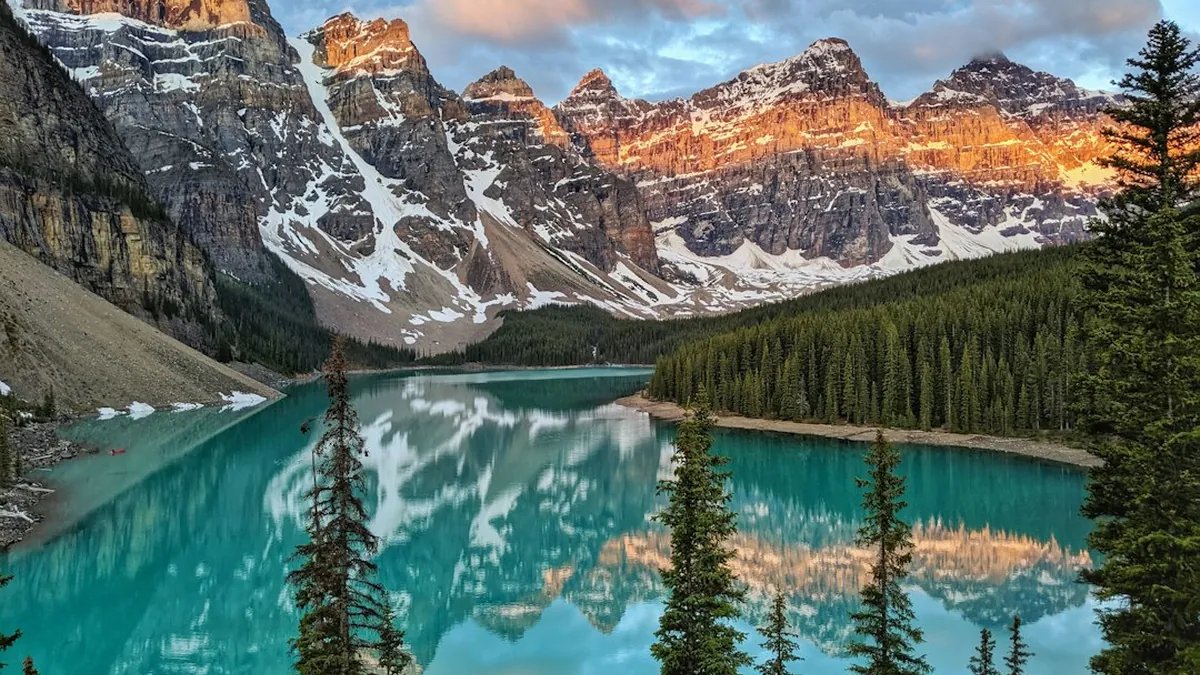
Surrounded entirely by Lake Superior, Isle Royale is thermally regulated by the world’s largest freshwater lake by surface area, keeping summer temperatures mild and humidity remarkably low. The island is accessible only by ferry or seaplane, which naturally limits crowds and preserves an almost eerie sense of wilderness calm. It’s consistently ranked among the least-visited national parks in the country, making it a genuine hidden gem for intentional travelers.
- Key Reality: Isle Royale receives fewer than 30,000 visitors per year — compared to Acadia’s nearly 4 million.
5. North Cascades National Park in Washington: Jagged Peaks and Glacial Valleys for High-Altitude Cooling
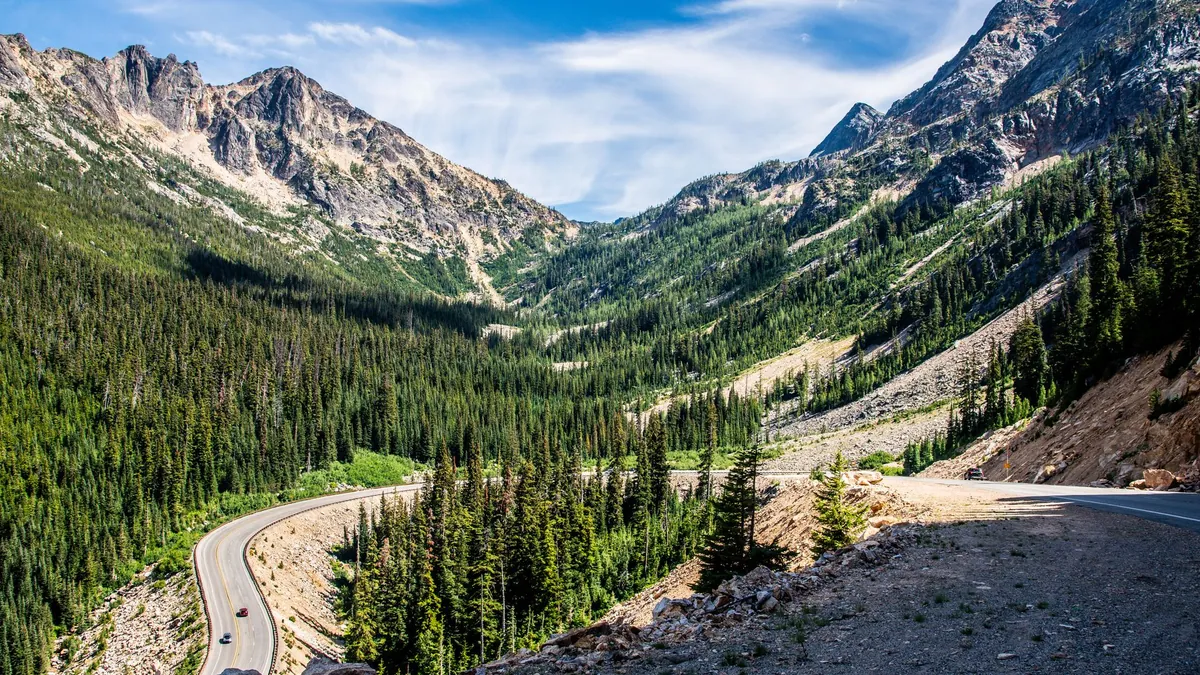
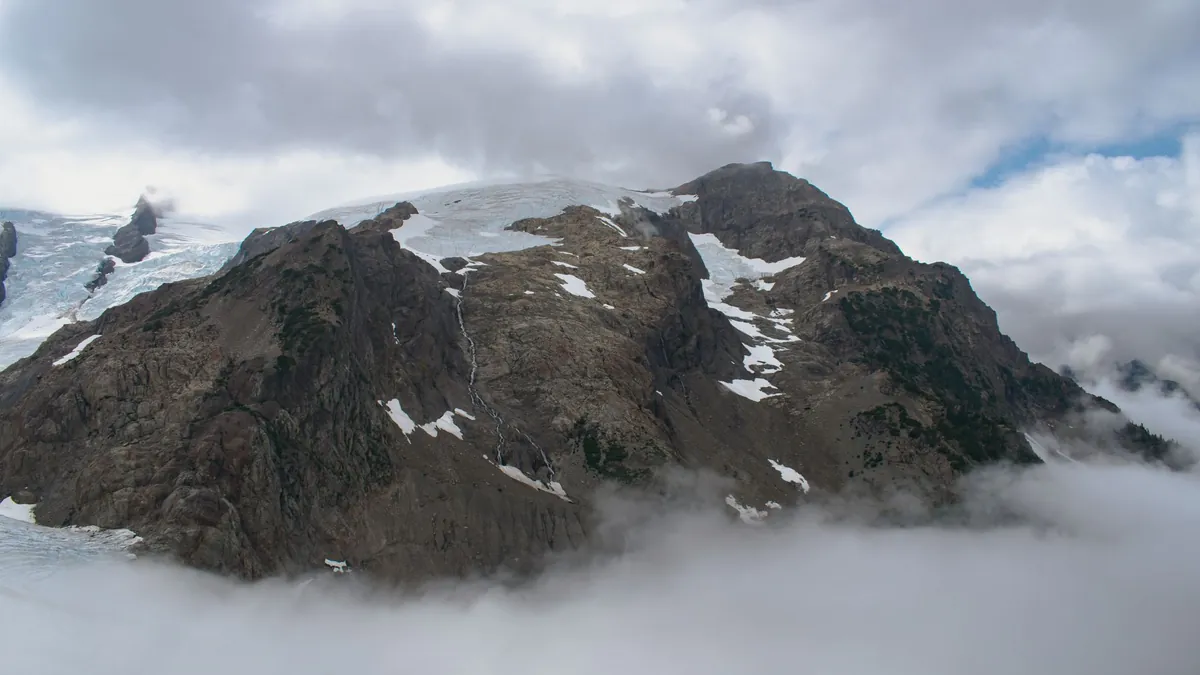
North Cascades is often called the “American Alps,” and the comparison earns its weight — over 300 glaciers carve through its dramatic landscape, creating valleys that stay cool long after lowland Washington bakes in summer sun. The park’s complex terrain also means accessibility varies significantly across trailheads, and travelers with specific needs should consult U.S. accessibility travel guidance before planning remote backcountry routes. Visitor numbers remain low compared to neighboring parks, preserving an authentic wilderness experience.
- Key Reality: North Cascades contains more glacial ice than any other U.S. park outside of Alaska.
6. Theodore Roosevelt National Park in North Dakota: Badlands Exploration with Comfortable Northern Temperatures

Theodore Roosevelt National Park delivers a badlands landscape of sculpted buttes and painted canyons that feels almost otherworldly, particularly at golden hour when the terrain glows amber and rust. Unlike the scorching South Dakota badlands, North Dakota’s northern latitude keeps summer highs more manageable, typically peaking in the low 80s°F. Bison roam freely throughout the park, and visitors should remember that these animals can charge at up to 35 miles per hour and change direction with startling speed.
- Key Reality: The park is split into 3 separate units — North, South, and Elkhorn Ranch — each offering distinct terrain and wildlife density.
7. Voyageurs National Park in Minnesota: Boreal Forest and Lake Country Providing Refreshing Summer Escape
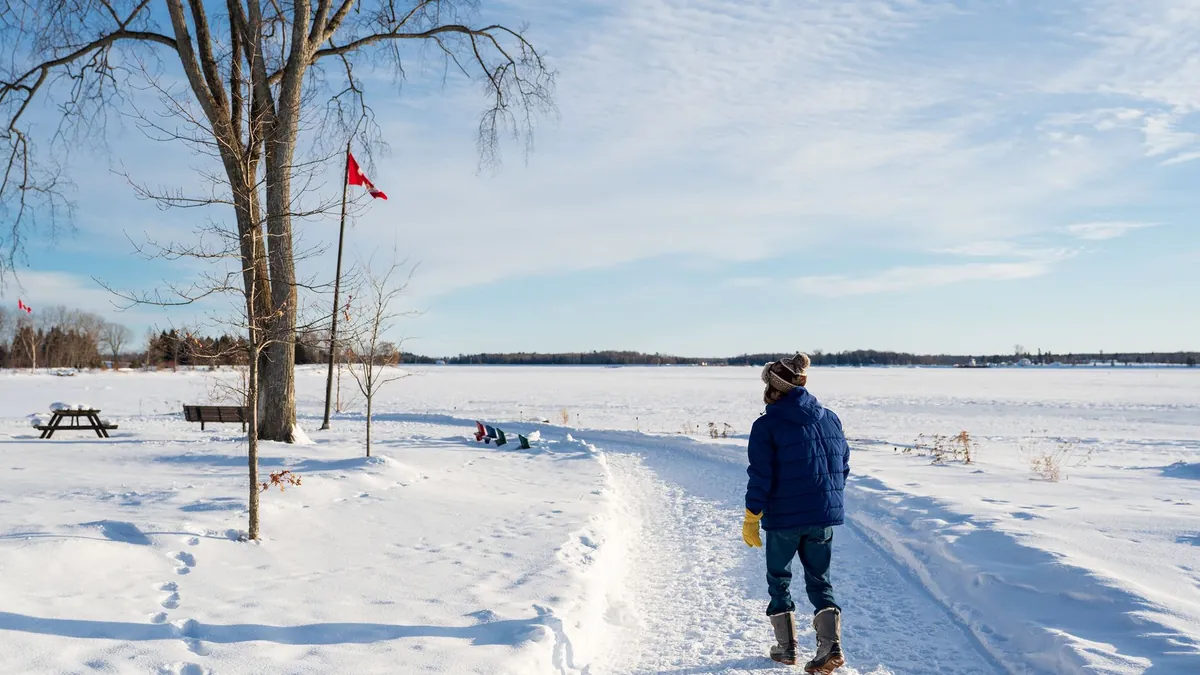
Voyageurs is a water-based park where over 40% of its total area is lake surface, making it one of the most unique national parks in the continental U.S. — and one of the best places to visit in the USA this winter or summer for a genuinely different outdoor experience. Boreal forest surrounds interconnected lakes that stay cool throughout July and August, offering kayaking, houseboating, and stargazing under some of the darkest skies in the Midwest. The park’s remote northern Minnesota location ensures that crowds never overwhelm the landscape’s quiet, reflective beauty.
- Key Reality: Voyageurs is one of only a handful of U.S. national parks that is primarily accessible by watercraft, not road.
The national parks northern states protect represent some of the most thermally generous, ecologically rich, and crowd-light destinations in the entire American park system — and summer is arguably their finest season. Whether you’re chasing glacial lakes, bear sightings, or simple silence, these 7 parks deliver relief that goes far beyond temperature. Drop a comment below and tell us which northern park is already on your summer escape list.