Plitvice Lakes’ Cascading Wonders and Verdant Trails Beckon Adventurers to Croatia’s Inland Paradise
As participants in Amazon Associates and other programs, we earn from qualifying purchases. This comes at no additional cost to you. For more details, see our Affiliate Disclosure.
Deep in Croatia’s central highlands, a stretch of land hides away from the coastal buzz, offering a spot where fresh air and quiet paths take center stage. This area, nestled between rolling hills and dense woods, gives travelers a chance to step off the usual routes and find a rhythm tied to the earth.
The remoteness here keeps things peaceful, with villages nearby holding onto old ways amid the green expanse. You can wander without a plan, letting the landscape guide you toward unexpected finds.
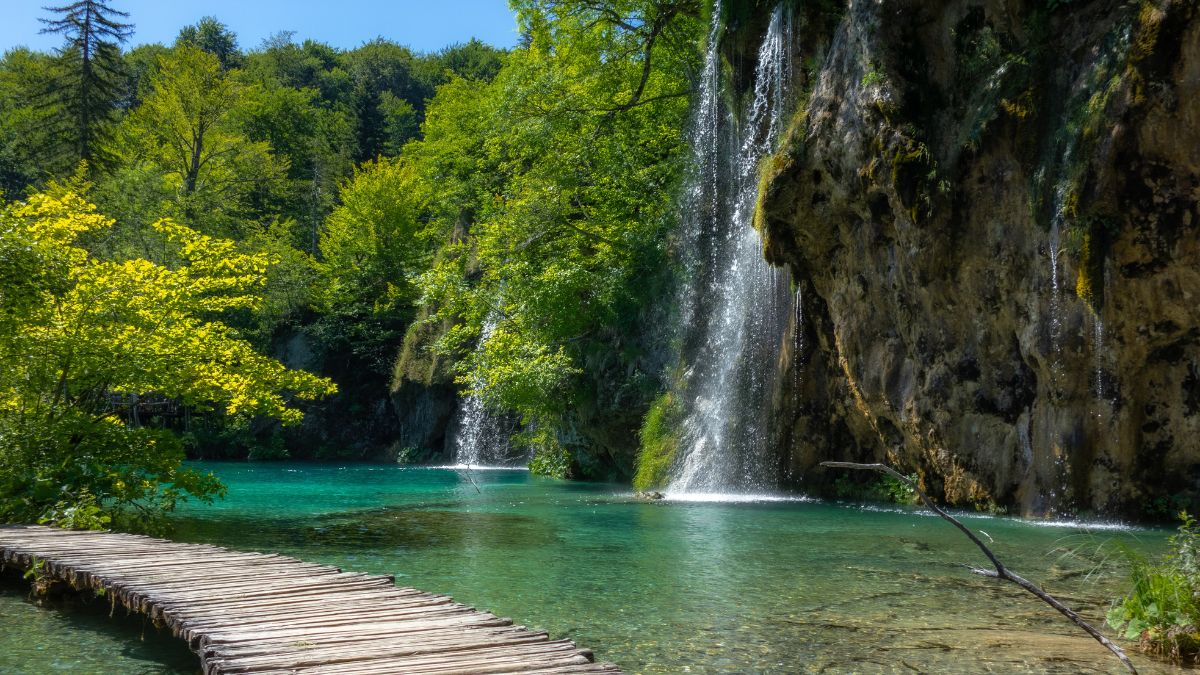
What pulls people in are the Plitvice Lakes, a series of 16 terraced pools linked by waterfalls that tumble through the forest. Their waters shift from deep blue to emerald green depending on the light and minerals, creating a scene that changes with every glance. The biggest falls, like Veliki Slap at 78 meters high, roar down cliffs, misting the air around wooden walkways that let you get close without getting soaked.
I find the way these lakes formed over time fascinating—calcium from the rocks builds up natural barriers, growing the terraces year by year. You can take a boat across the largest lake, Kozjak, feeling the calm as electric vessels glide silently over the surface. Trails range from easy loops to longer hikes, some taking eight hours to cover the full chain of waters and falls.
History adds a deeper layer. Set up as a protected area back in 1949 and later named a UNESCO site in 1979, the spot has drawn folks for centuries. Early settlers left traces in caves, and it even played a role in old films shot among the trees. More recently, it saw tough times during conflicts in the 1990s, but now stands as a symbol of recovery and natural strength.
Wildlife thrives in the thick forests that cover most of the land. Keep an eye out for brown bears or wolves roaming the hills, though they stay shy around paths. Birds fill the air, from eagles to smaller species nesting by the water, and orchids bloom in hidden meadows. The mix of woods and wetlands supports everything from trout in the streams to turtles sunning on logs.
The local feel is warm and straightforward. In nearby towns like Korenica, you might share a meal of grilled meats or cheese pies with people who know the trails inside out. We like trying the fresh honey from beehives in the valleys or picking up handmade crafts that reflect the region’s heritage.
For a fuller trip, try arriving late in the day when crowds thin out, around 4 PM, and explore until closing. No swimming allowed to keep the waters pristine, but the views make up for it. If you stay overnight in park lodges, you get early access the next morning for quiet walks.
Reaching Plitvice takes a drive or bus from Zagreb, about two hours north, or longer from Split along scenic roads. It draws around 1.5 million people each year, but spread out across the seasons, so it never feels too packed outside peak times. Head there in May or September for full waterfalls and milder weather, avoiding the summer rush when limits cap visitors at 12,000 a day.
Plitvice’s charm comes from that perfect mix of flowing waters, shady hikes, and a touch of wild mystery. It’s a place where you can lose track of time crossing bridges over cascades or just sitting by a pool, leaving with a fresh sense of Croatia’s hidden side.