Flight Delays During Thunderstorms: What You Need to Know
As participants in Amazon Associates and other programs, we earn from qualifying purchases. This comes at no additional cost to you. For more details, see our Affiliate Disclosure.
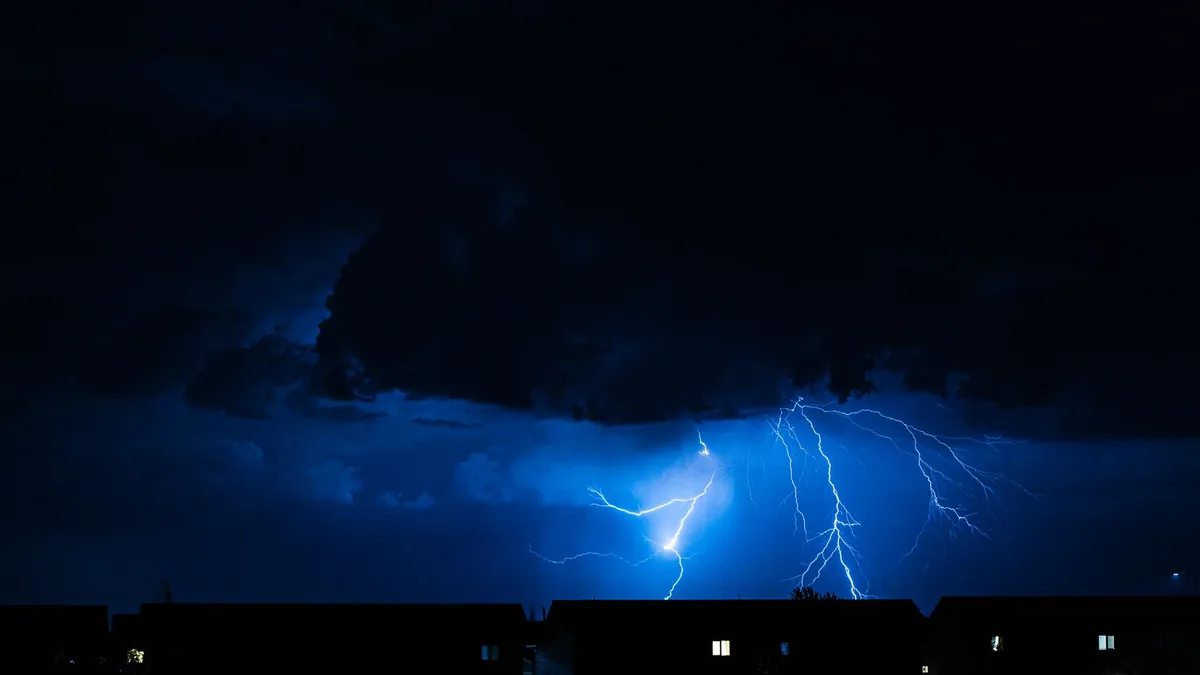
Summer travel season consistently delivers 2 things passengers dread most: packed terminals and violent weather. Thunderstorms rank among the most powerful forces capable of grinding an entire airport’s operation to a halt within minutes, leaving thousands of travelers stranded mid-journey with little warning.
Most passengers assume that a significant delay automatically triggers some form of airline compensation or reimbursement for meals, hotels, and rebooking fees. That assumption, unfortunately, is where many travelers lose both time and money when severe weather strikes.
Thunderstorms Create a Cascading Collapse Across the Entire Air Network
When a thunderstorm develops near a major hub, the disruption rarely stays contained to 1 airport. According to Eurocontrol, storms were responsible for up to 7.5% of total en-route air traffic flow management delays on average between 2013 and 2019 — and that trend was actively increasing before further climate shifts accelerated the problem. A single storm cell can trigger ground stops, rerouting, and cascading delays that ripple across dozens of connected cities for hours.
The FAA deploys real-time weather detection systems, including Terminal Doppler Weather Radar and the Weather and Radar Processor, specifically to manage these scenarios. These tools allow air traffic controllers to reroute flights around dangerous storm cells, but rerouting adds fuel burn, time, and complexity that passengers rarely see explained at the gate. Understanding turbulent travel months can help travelers anticipate when these disruptions are statistically most likely to occur.
Weather Waivers Protect Airlines Far More Than They Protect Passengers
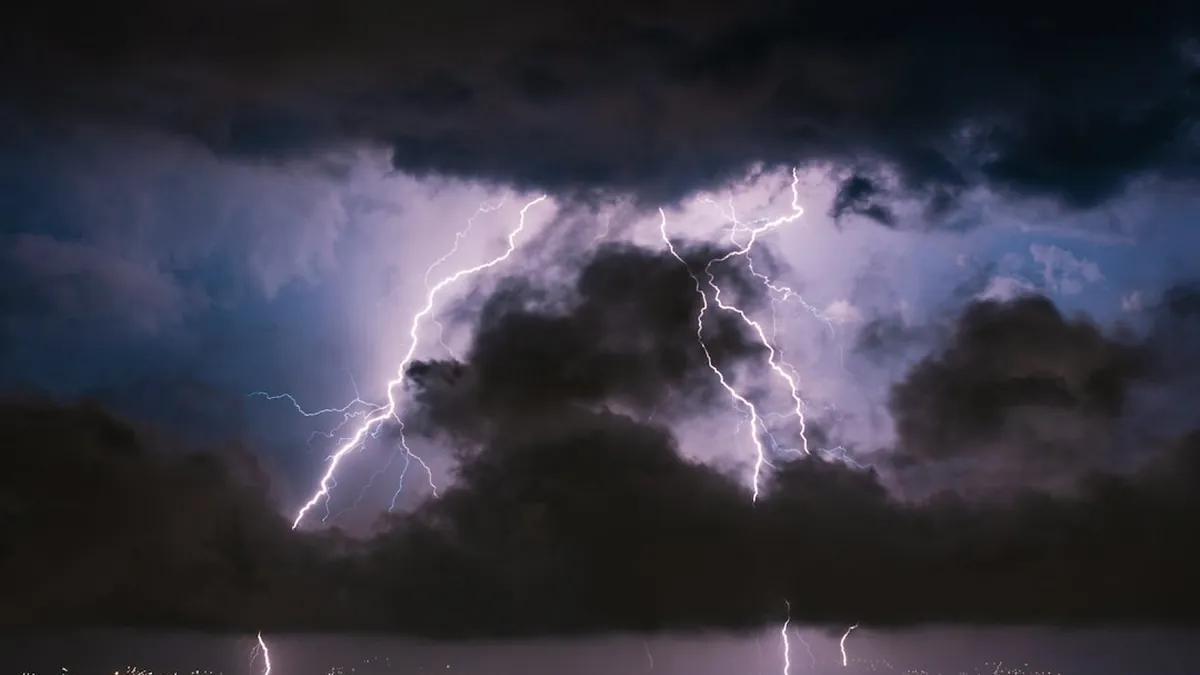
When a thunderstorm causes your flight to delay or cancel, airlines classify it as an “extraordinary circumstance” — and that classification carries enormous legal weight. As noted by Squaremouth, U.S. law does not require airlines to offer additional compensation, inconvenience payments, or reimbursement for expenses when weather is the stated cause. Passengers are typically entitled only to a rebooking on the next available flight, nothing more.
Airlines do issue weather waivers during major storm events, allowing passengers to rebook without change fees — but these waivers are time-limited and route-specific. Travelers who miss the waiver window or fail to act quickly often end up paying out of pocket for hotels and meals with no path to reimbursement. Knowing tarmac delay compensation rules is equally critical, since being held on a grounded aircraft during a storm carries its own separate set of passenger protections.
Flight delays thunderstorms trigger are an unavoidable reality of modern air travel, but passengers who understand the system’s limitations can make faster, smarter decisions when storms hit. Travel insurance with weather delay coverage remains the single most reliable financial safety net available to anyone flying during peak storm seasons. Have you ever been caught in a weather delay with no compensation in sight — share your experience in the comments below.