Why Buying Theme Park Tickets at Gate Costs More
As participants in Amazon Associates and other programs, we earn from qualifying purchases. This comes at no additional cost to you. For more details, see our Affiliate Disclosure.
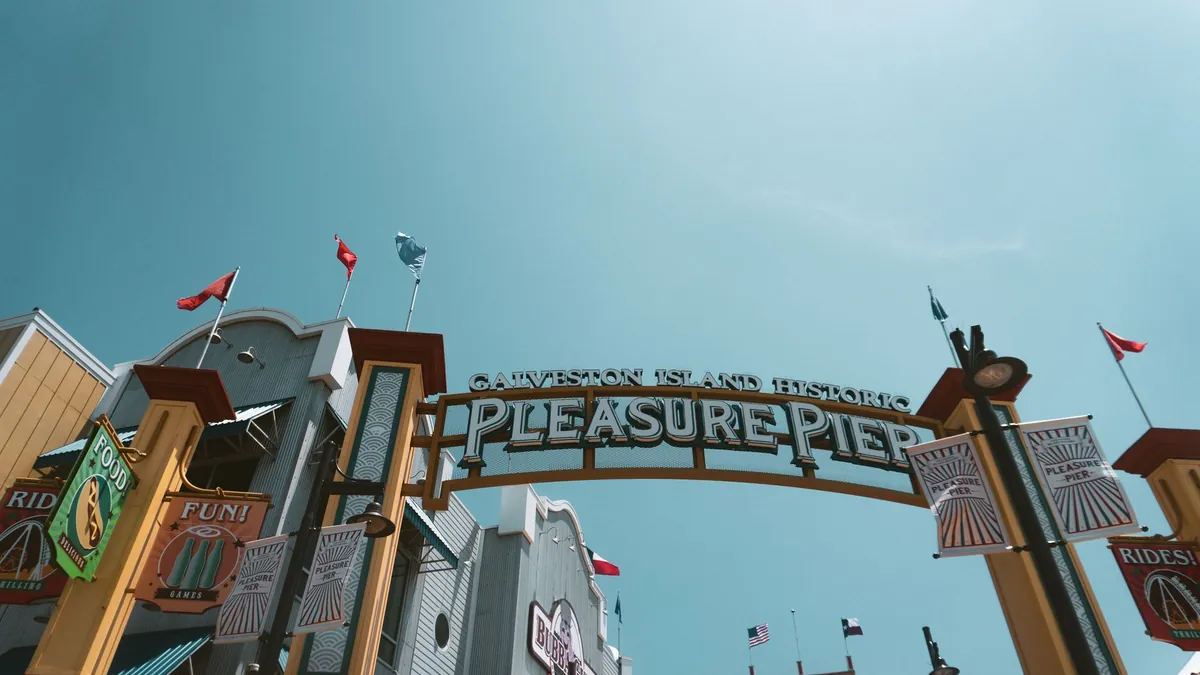
Theme parks have mastered the art of spectacle — from the moment you see the skyline of a castle or the silhouette of a roller coaster, the excitement overrides almost every rational thought. Millions of visitors arrive each year fully expecting the gate to be their first stop, ticket in hand moments later, ready to walk in. It feels seamless, spontaneous, and perfectly normal.
What most guests don’t realize until they’re already standing in line is that the gate is, by design, the most expensive place to buy a ticket. Parks have quietly engineered their pricing structures so that impulse buyers consistently pay a premium — and the gap between advance and gate pricing has grown significantly in recent years.
Dynamic Pricing Turns the Gate Into a Revenue Trap
Major theme parks — including Disney, Universal, and Six Flags — now operate on dynamic pricing models, meaning ticket prices fluctuate based on real-time demand, crowd forecasts, and time of purchase. Gate prices reflect the highest demand tier almost by default, since walk-up visitors represent peak-urgency buyers with no leverage. A single-day ticket that costs 89 dollars online days earlier can jump to 130 dollars or more at the booth on a busy Saturday.
Beyond base price inflation, parks layer on processing and convenience fees that apply exclusively to gate transactions — charges that online platforms either absorb or eliminate entirely for advance buyers. Savvy travelers who follow Disneyland money-saving strategies consistently report saving between 20 and 40 dollars per ticket simply by purchasing 7 or more days ahead of their visit.
Early Purchase Windows Unlock Discounts That Disappear by Arrival Day
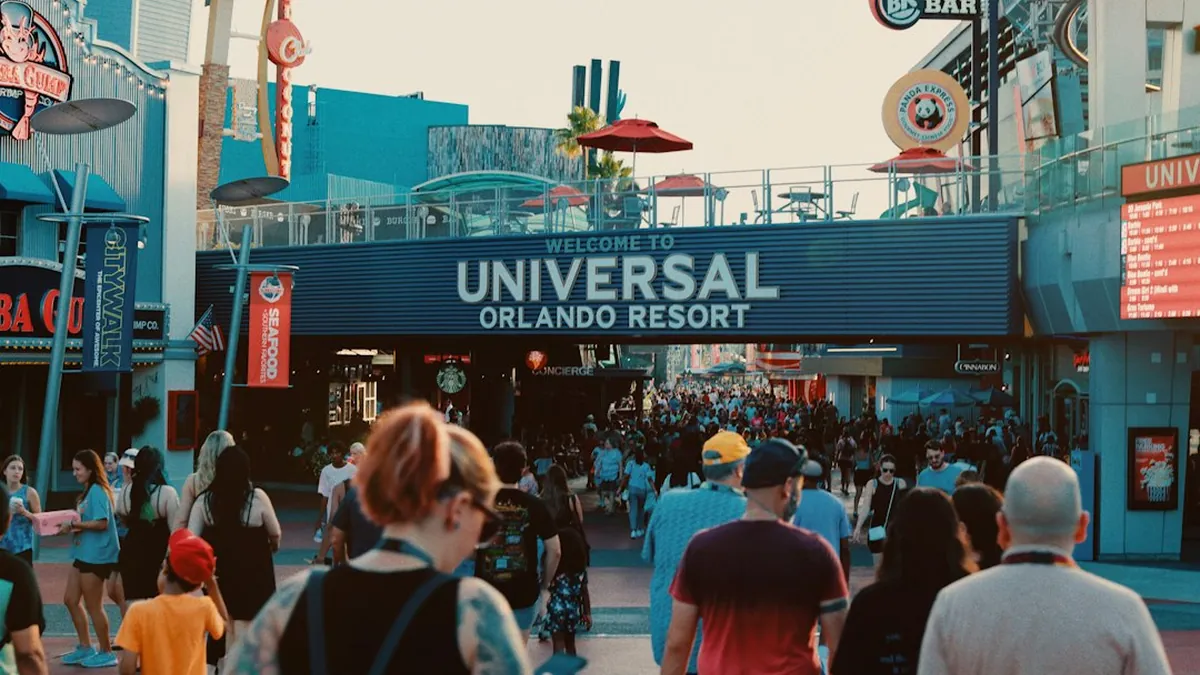
Parks deliberately structure their early-bird discount windows to reward guests who commit weeks in advance, then systematically remove those tiers as the visit date approaches. By the time a family of 4 arrives at the gate without pre-purchased tickets, they’re looking at a price point that could be 60 to 160 dollars higher than what was available just 10 days prior. The common mistake is assuming that ticket prices are fixed and that buying early offers no real financial advantage.
Demand-based pricing also surges during peak operating hours — late morning through mid-afternoon — which is precisely when most spontaneous visitors decide to purchase. Planning a theme park day is no different from planning any major travel expense; the same discipline that helps travelers avoid hidden airline baggage surcharges applies directly to securing the best ticket price before setting foot in the parking lot.
The financial case to buy theme park tickets in advance has never been more clear-cut — parks have optimized every pricing lever to ensure that waiting costs you real money. Treating your ticket purchase like any other travel booking, planned and confirmed well before departure day, is the single most effective way to protect your budget. Have you ever been caught off guard by gate pricing? Share your experience in the comments below.