How Tourist Restaurants Manipulate Menus to Overcharge
As participants in Amazon Associates and other programs, we earn from qualifying purchases. This comes at no additional cost to you. For more details, see our Affiliate Disclosure.
Tourist restaurants use calculated menu design to extract more money from visitors who don’t know local pricing — and most travelers never notice.
Visual Design Tactics: Glossy Menus, Photos, and Strategic Pricing
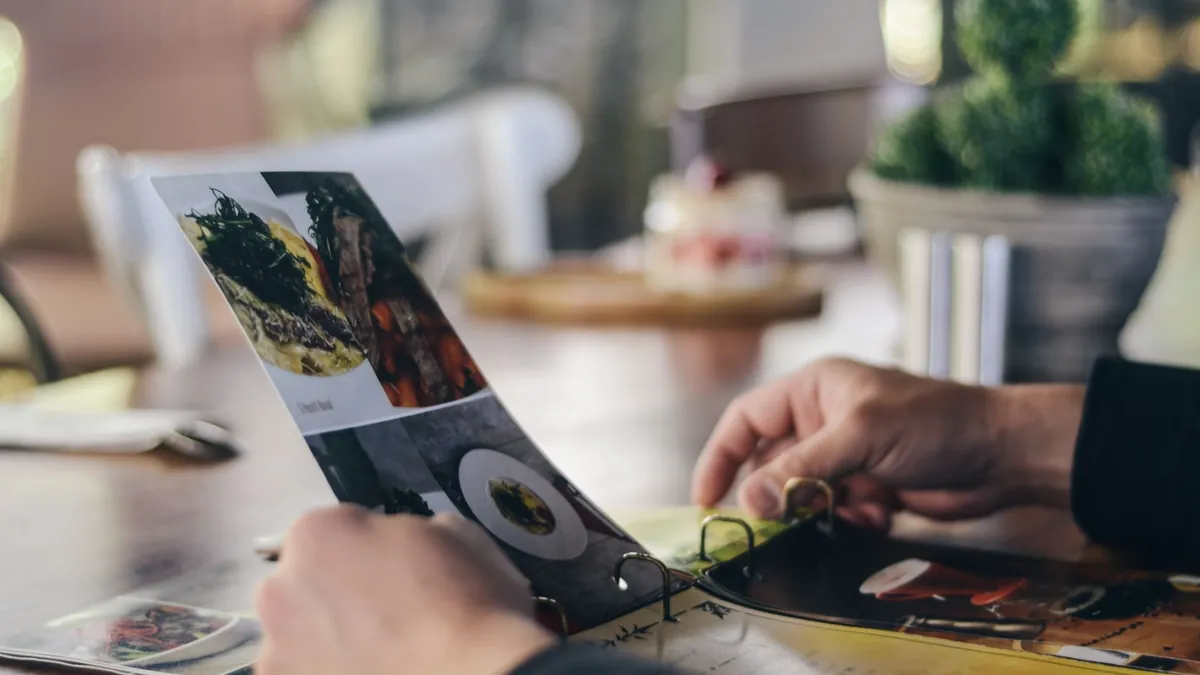
Eye-tracking research confirms that items placed in the upper-right corner and at the start of sections receive disproportionately more orders. Restaurants deliberately position their highest-margin dishes in these visual hotspots to steer spending without saying a word.
Decoy pricing is another common tactic — an overpriced dish is placed on the menu purely to make surrounding options feel like bargains. This anchoring technique, well-documented in menu psychology research, consistently inflates average order values.
Linguistic and Currency Manipulation: Hidden Price Structures
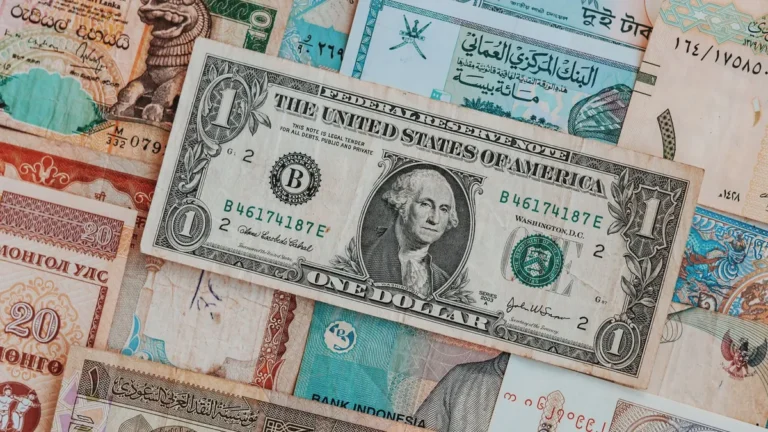
Multilingual tourist menus often carry different prices across language versions — local-language menus list lower prices while foreign-language versions quietly charge more. Currency confusion amplifies this, especially in destinations where exchange rates are complex.
Service charges, cover fees, and bread charges are frequently buried in fine print or omitted entirely until the bill arrives. Travelers unfamiliar with local customs rarely question these additions.
Location-Based Exploitation: Landmark Premium Pricing
Restaurants near major tourist attractions routinely charge 40–200% more than equivalent establishments two streets away. The captive audience — tourists already committed to a location — reduces competitive pressure and enables aggressive markups.
Beyond pricing, food safety risks increase in high-turnover tourist venues. Research has flagged unsanitary slaughter practices and inadequate sanitation in some food service environments, highlighting why consumer rights in tourism extend well beyond just fair pricing.
Staff-Driven Upselling: Psychological Pressure at the Table
Servers in tourist-heavy restaurants are often incentivized to upsell premium items, daily specials, and add-ons that aren’t on the printed menu. Verbal recommendations carry psychological weight — most diners feel social pressure to accept suggestions from staff.
Understanding how travel accommodation fees work helps build the same critical mindset you need at restaurants. Always request an itemized bill and compare menu prices before ordering.