10 Charming Medieval Towns in France
As participants in Amazon Associates and other programs, we earn from qualifying purchases. This comes at no additional cost to you. For more details, see our Affiliate Disclosure.
France has spent centuries perfecting the art of looking effortlessly ancient, and nowhere is that more seductive than in its medieval towns. Cobblestone alleys, fortified ramparts, and half-timbered facades whisper stories that no museum exhibit could replicate. For travelers craving depth over Instagram backdrops, these places deliver something genuinely irreplaceable.
Yet most itineraries barely scratch the surface, defaulting to Paris while extraordinary walled cities and clifftop sanctuaries sit waiting just hours away. If you’ve been sleeping on incredible French destinations beyond the capital, this list is your wake-up call. France’s medieval heritage is staggering in scale, and according to Wikipedia’s documented record, the country preserves hundreds of classified medieval settlements worth serious exploration.
1. Carcassonne: Fortress City with Double Ramparts and Gothic Architecture in Occitanie
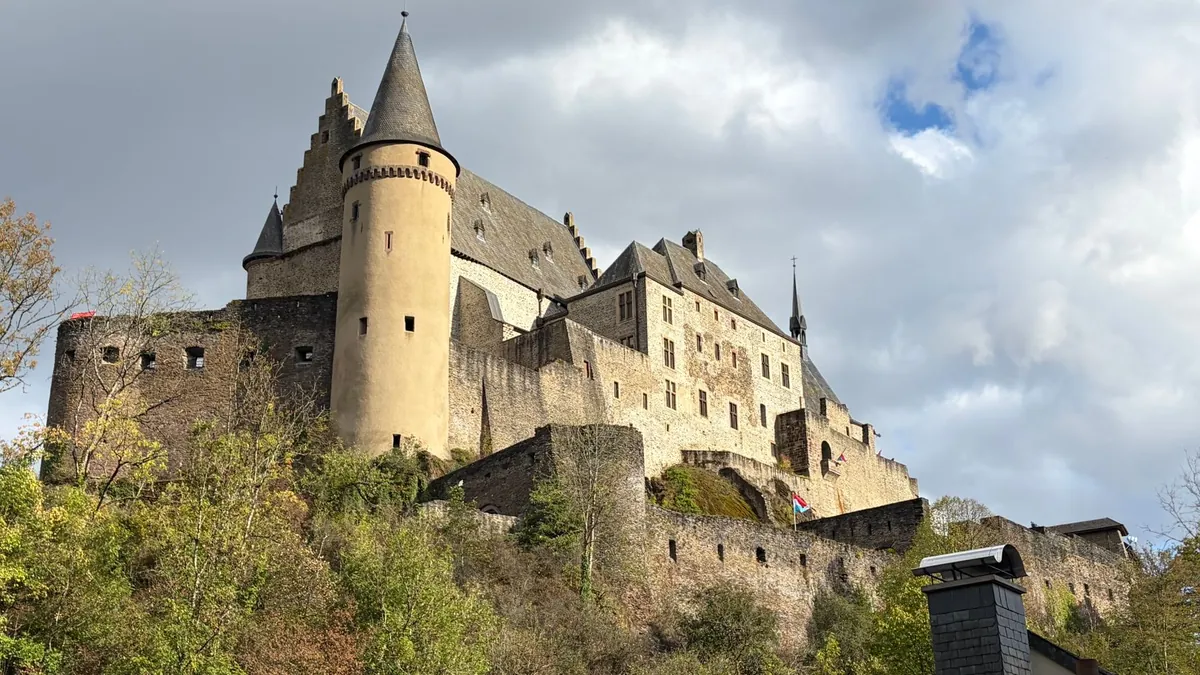
Carcassonne is arguably the most dramatic medieval town in France, encircled by 3 kilometers of double ramparts and 52 watchtowers that have survived since the 12th century. Its UNESCO-listed citadel looms over the Aude River like a fairy tale made entirely of stone. Arriving at dusk, when the walls glow amber, borders on cinematic.
- Key Reality: Visitor numbers regularly exceed 3 million annually, so booking accommodations inside the citadel walls well in advance is essential.
2. Rocamadour: Clifftop Sanctuary Town Perched Above the Alzou Canyon in Midi-Pyrénées
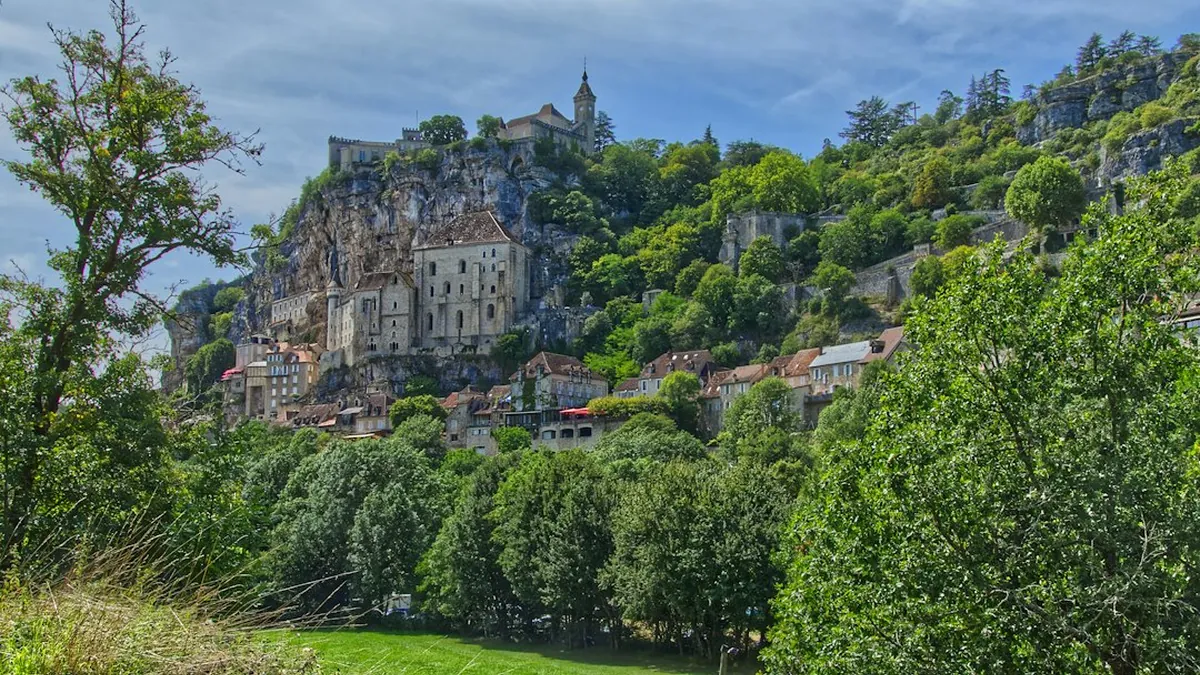
Built vertically into a sheer limestone cliff face, Rocamadour defies architectural logic and rewards every traveler willing to climb its 216 sacred steps. This pilgrimage town has drawn devoted visitors since the 12th century, layering chapels, châteaux, and medieval streets across 7 dramatic tiers. The canyon views from the top are genuinely breathtaking.
- Key Reality: Elevators are available for visitors with mobility challenges, making this clifftop wonder more accessible than its steep reputation suggests.
3. Dinan: Walled Breton Town with Half-Timbered Houses and Riverside Charm in Brittany
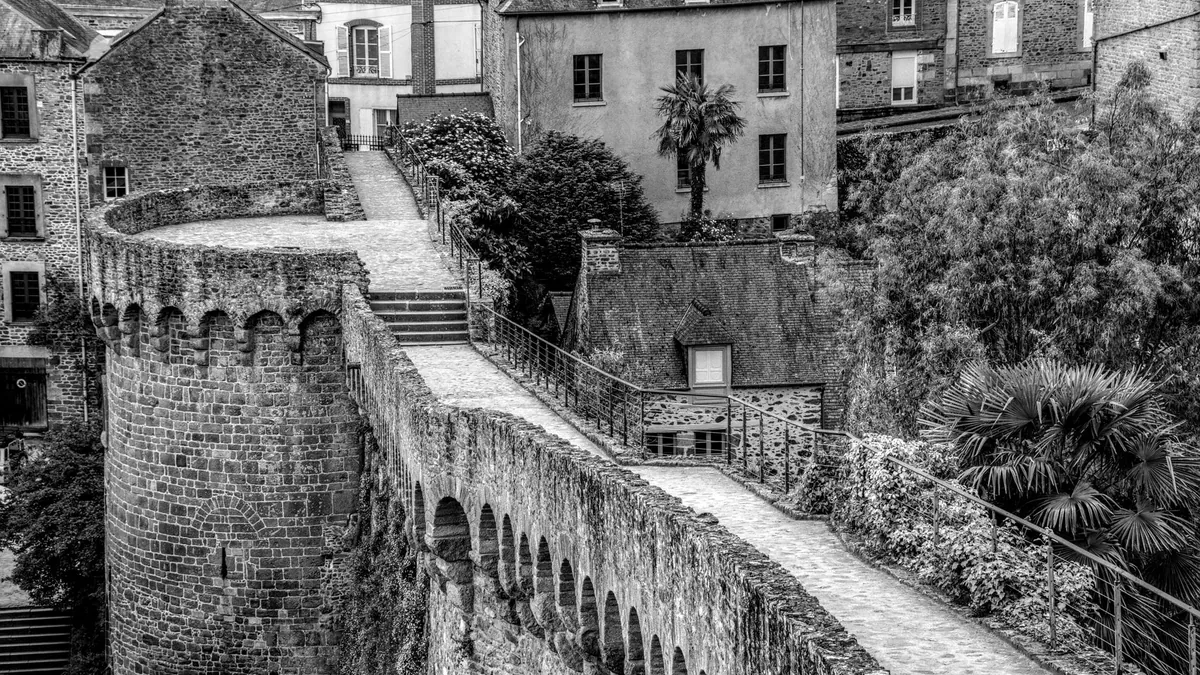
Dinan is Brittany’s most intact medieval town, its 2.5-kilometer ramparts enclosing a remarkably preserved old quarter of overhanging timber-framed houses. The cobbled Rue du Jerzual descends dramatically toward the Rance River port, where artisan workshops and cider bars line the waterfront. It operates at a pace that feels genuinely unhurried.
- Key Reality: Dinan hosts a major medieval festival every 2 years, drawing over 50,000 costumed participants and spectators.
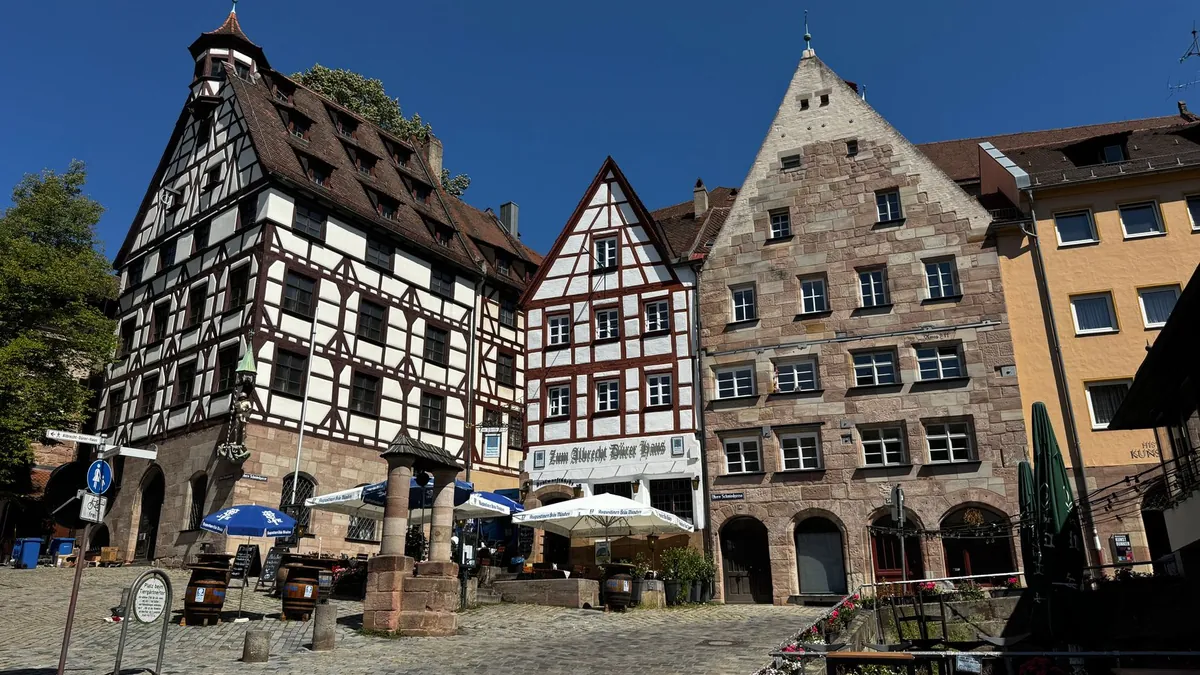
4. Riquewihr: Alsatian Wine Village Featuring Colorful Facades and Medieval Towers
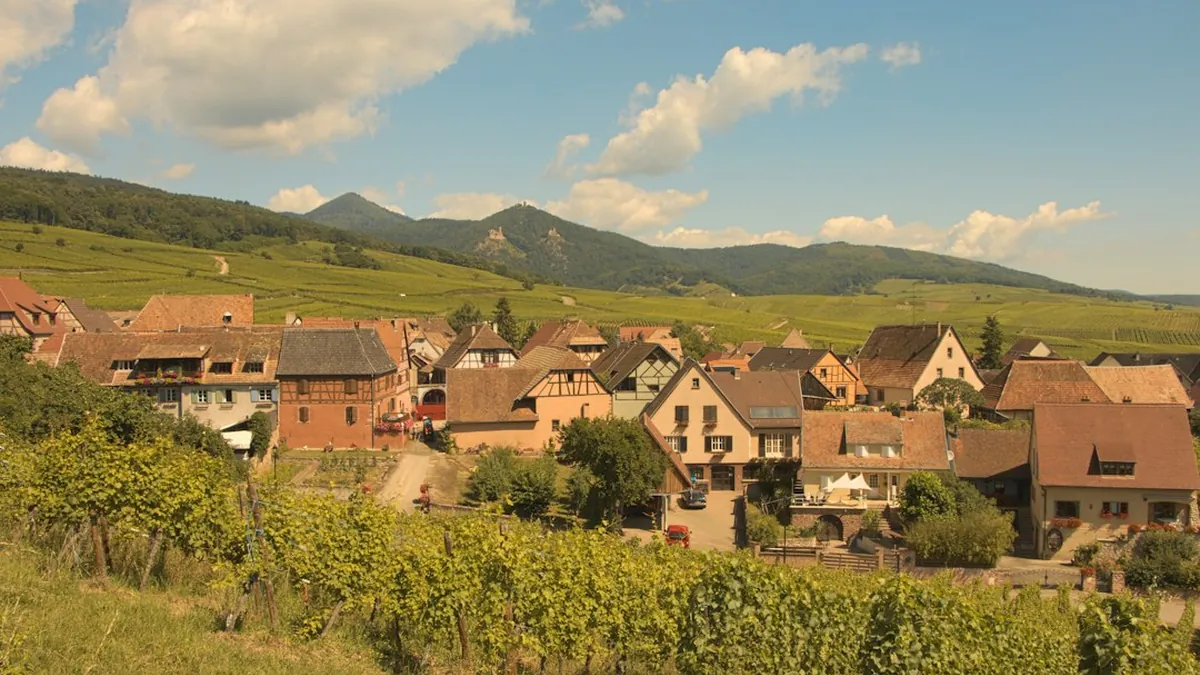
Riquewihr sits along Alsace’s famous Route des Vins and has remained virtually unchanged since the 16th century, its pastel-painted facades and flower-draped balconies creating an almost surreal streetscape. The Dolder Tower, dating to 1291, anchors the village with genuine medieval gravitas. Wine tasting here isn’t optional — it’s practically civic duty.
- Key Reality: Riquewihr produces some of Alsace’s finest Riesling, with local domaines offering tastings from as little as 5 euros per flight.
5. Provins: UNESCO-Listed Medieval Town with Ramparts and Underground Galleries in Champagne
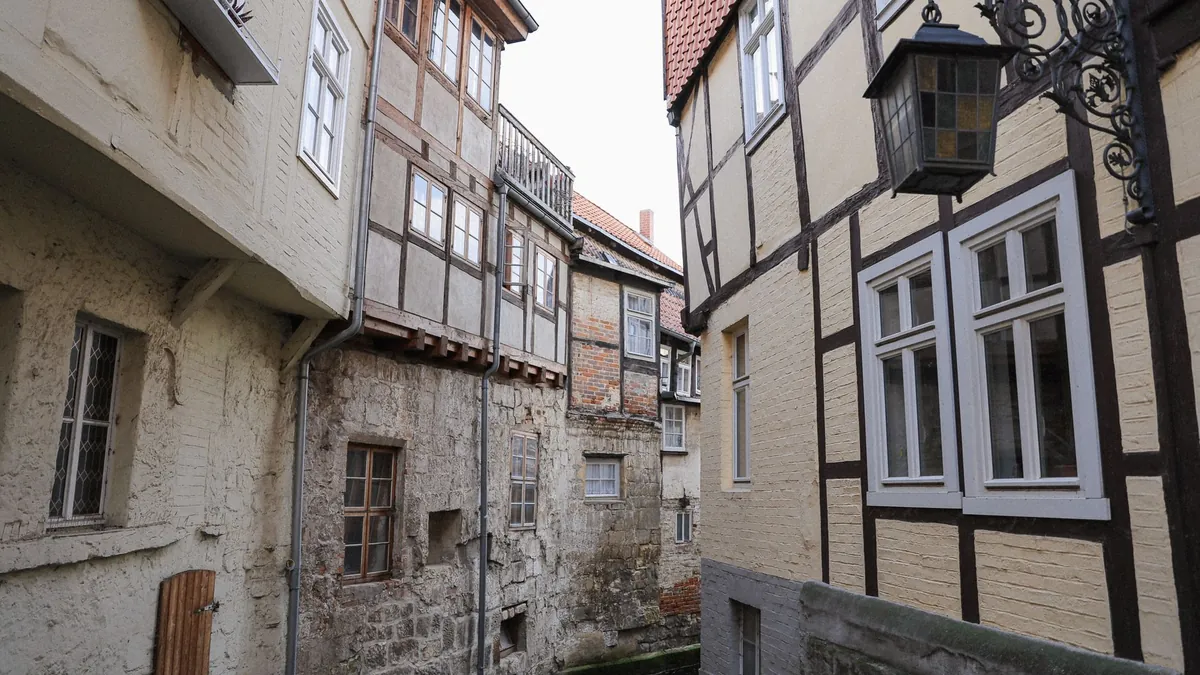
Provins earned its UNESCO World Heritage designation for preserving an extraordinary snapshot of a medieval trading town, complete with 12th-century ramparts, a fortified keep, and an underground network of galleries stretching beneath the entire upper town. It was once 1 of the most important trade fair cities in all of Europe. That commercial legacy still echoes in every stone archway.
- Key Reality: Provins sits just 77 kilometers southeast of Paris, making it a highly viable and rewarding day trip.
6. Yvoire: Lakeside Medieval Village on Lake Geneva with Flower-Lined Streets
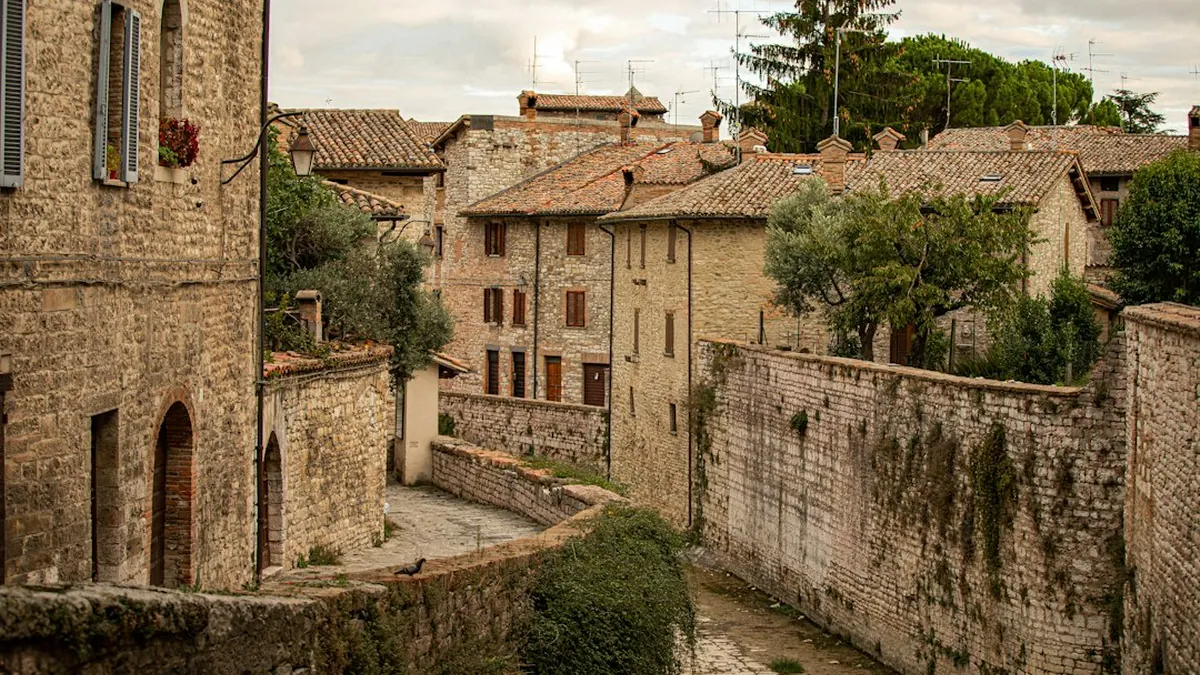
Yvoire is a 14th-century fortified village clinging to the southern shore of Lake Geneva, its narrow lanes exploding with geraniums and roses every summer in a display that has earned it repeated recognition as 1 of France’s most beautiful villages. The medieval château and twin gateway towers frame views across the lake toward the Swiss Alps. It’s compact, but its impact is outsized.
- Key Reality: Yvoire is car-free within its walls, so parking outside the village gates and walking in is the only option.
7. Saint-Émilion: Hillside Wine Town with Monolithic Church and Vineyard Surroundings in Bordeaux
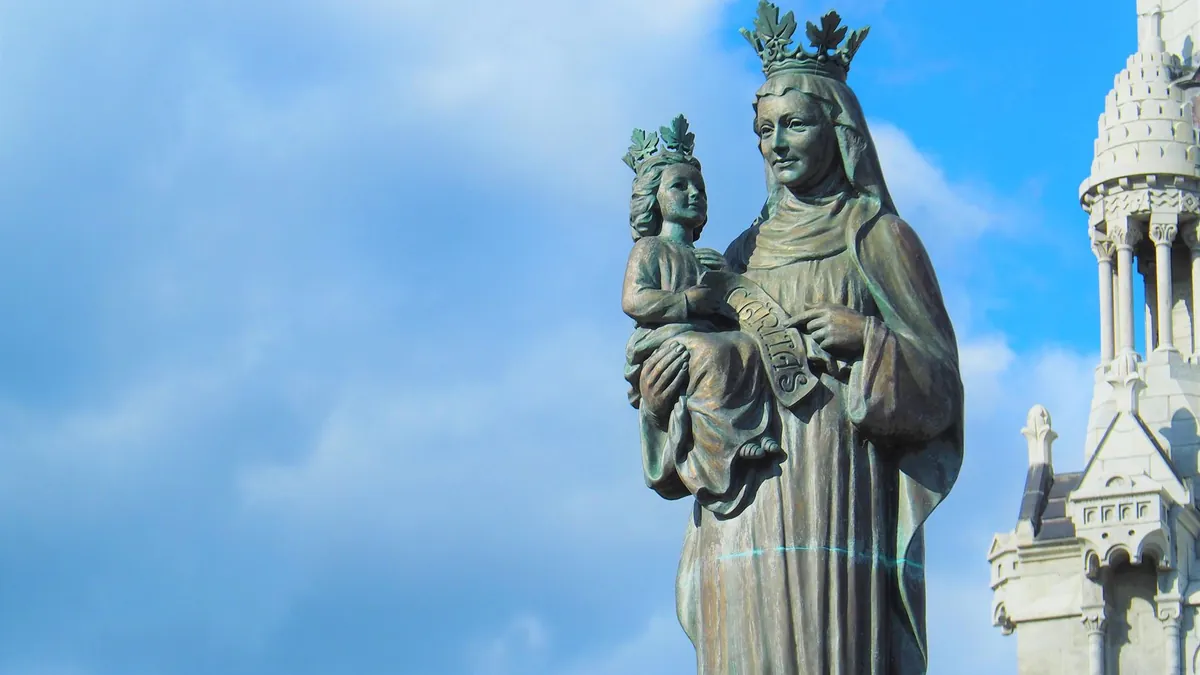
Saint-Émilion is as much a geological wonder as a medieval one — its famous monolithic church was carved entirely underground from a single limestone rock face beginning in the 8th century, creating a subterranean sanctuary unlike anything else in France. Above ground, the UNESCO-listed town is encircled by some of the world’s most prestigious vineyards. The combination of world-class wine and medieval architecture here is genuinely unmatched.
- Key Reality: Grand Cru Classé wines from Saint-Émilion’s top châteaux can fetch upward of 300 euros per bottle at local estates.
8. Les Baux-de-Provence: Dramatic Hilltop Ruins and Medieval Village Overlooking the Provence Valley
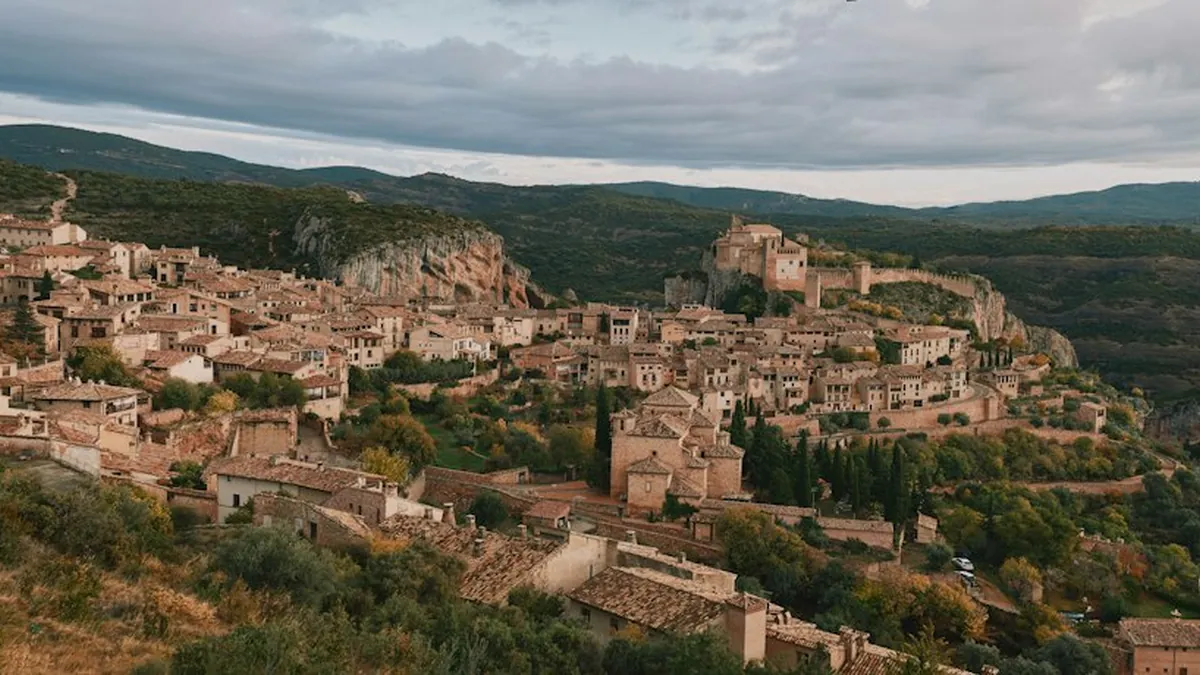
Les Baux-de-Provence rises from the Alpilles mountains like a natural extension of the limestone itself, its ruined citadel and medieval village perched 245 meters above the valley floor. The Lords of Baux once ruled over 79 towns from this fortress, and that legacy of power is still palpable in every crumbling battlement. The panoramic views alone justify the climb.
- Key Reality: The Carrières de Lumières immersive art show, held in ancient quarries just below the village, attracts over 600,000 visitors annually.
9. Dole: Renaissance and Medieval Blend with Historic Canal and Birthplace of Louis Pasteur
Dole is Franche-Comté’s most historically layered town, where Gothic collegiate churches and Renaissance mansions crowd the banks of a picturesque canal in a way that feels entirely unscripted. It was the former capital of Burgundy before Besançon claimed the title, and that displaced grandeur gives it a quietly proud character. Birthplace of Louis Pasteur, it also carries serious scientific legacy alongside its medieval stones. For travelers seeking underexplored European destinations, Dole consistently punches above its weight.
- Key Reality: The Musée Pasteur in Dole charges just 4 euros admission and is housed in the scientist’s actual childhood home.
10. Gordes: Perched Provençal Village with Stone Houses and Panoramic Valley Views
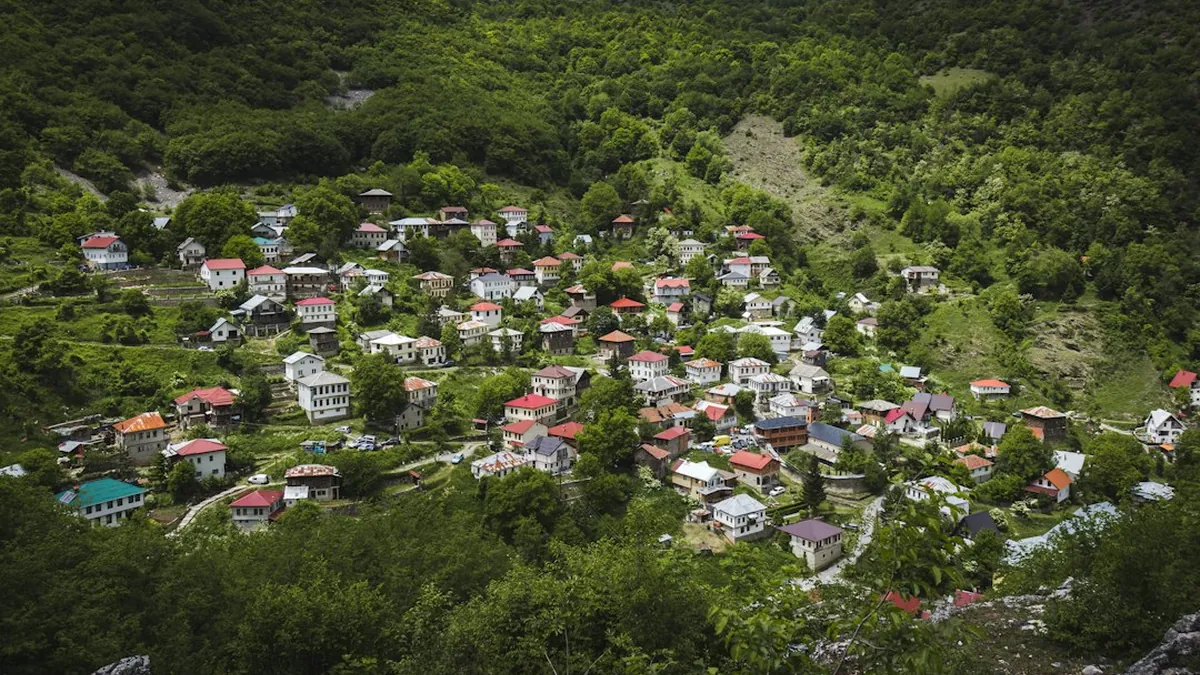
Gordes clings to a rocky spur above the Luberon valley with the kind of stubborn beauty that has made it 1 of Provence’s most photographed villages for decades. Its tiered stone houses, Renaissance château, and ancient dry-stone bories create a visual tap