The Hagia Sophia’s Floating Dome and Hidden Viking Runes
As participants in Amazon Associates and other programs, we earn from qualifying purchases. This comes at no additional cost to you. For more details, see our Affiliate Disclosure.
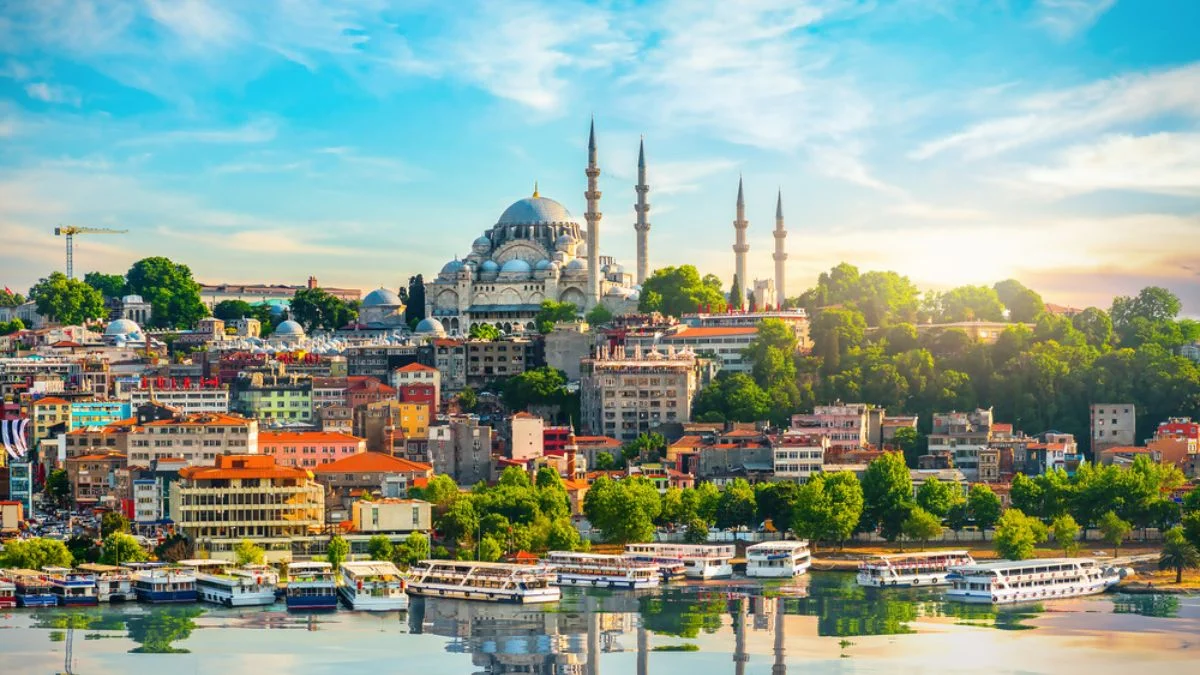
I love Hagia Sophia in Istanbul, Turkey. This isn’t just a jaw-dropping monument—it’s a time-defying blend of architectural wizardry, quirky secrets, and layered history that makes it way more than a tourist stop. Built in 537 AD by Byzantine Emperor Justinian I, this UNESCO World Heritage Site has been a cathedral, mosque, and museum, and its wild details keep me obsessed.
The Hagia Sophia’s massive dome is its crown, stretching 102 feet wide and seeming to float 180 feet above the floor. Here’s the wild part: it’s held up by hidden engineering. Forty arched windows at the dome’s base let light pour in, making it look weightless, while pendentives—curved triangles—distribute its 6,000-ton load to four piers. Early visitors thought angels held it up. The dome collapsed once in 558 AD, but a rebuild made it stronger, and standing beneath it feels like being inside a glowing orb.
Here’s a quirky gem: the building hides Viking runes. In the 9th century, Norse mercenaries, likely Varangian Guards, scratched graffiti into a marble balcony. One rune reads, “Halvdan was here,” like a medieval tag. It’s a random slice of history, showing how far Viking wanderers roamed. You have to squint to spot it, but it’s like finding a secret note from 1,200 years ago.
Another cool fact? The Hagia Sophia has a weeping column. A bronze-covered pillar in the nave has a hole where visitors stick their thumb, twisting it for good luck. Legend says it oozes holy water, though it’s likely condensation. The column’s worn smooth from centuries of hands, and trying the ritual feels like joining an ancient club. The interior also boasts mosaics of glittering gold, showing Christ and emperors, some hidden for centuries under plaster when it became a mosque.
The Hagia Sophia’s been through chaos. It was a cathedral until 1453, when Ottoman conquerors made it a mosque, adding minarets. In 1935, Turkey turned it into a museum, then a mosque again in 2020. Earthquakes, crusader looting, and time have scarred it, but restorations keep it standing. Its marble floor, with slabs from across the Roman Empire, shines like a patchwork quilt.
Today, 3.5 million visitors yearly marvel at its grandeur, though crowds and humidity stress the mosaics. If you go, catch the dome glowing at sunrise or hunt for Viking runes on the balcony. The Hagia Sophia’s a floating, rune-scratched marvel—a crossroads of faiths and empires that still feels alive.