6 Rental Car Mistakes That Void Your Insurance

As participants in Amazon Associates and other programs, we earn from qualifying purchases. This comes at no additional cost to you. For more details, see our Affiliate Disclosure.
Renting a car feels like one of the most routine parts of modern travel — swipe a card, grab the keys, and go. But beneath that deceptively simple transaction lies a web of insurance conditions, policy exclusions, and activation requirements that most travelers never bother to read until something goes wrong.
The costliest rental car insurance mistakes rarely happen on the road — they happen at the counter, in the fine print, and in the assumptions travelers carry with them. Understanding exactly where coverage breaks down is the difference between a minor inconvenience and a bill that ruins an entire trip.
1. Declining Coverage Without Verifying Personal Auto Insurance Protection

Assuming your personal auto policy automatically extends to rental vehicles is one of the most dangerous rental car insurance mistakes a driver can make. Many personal policies either exclude rentals outright or carry coverage limits that fall short of what rental companies require. Always call your insurer before declining anything at the counter — a 5-minute conversation can prevent thousands of dollars in unexpected liability.
- Key Reality: Coverage gaps are especially common for international rentals, where domestic policies rarely apply at all.
2. Ignoring Credit Card Coverage Terms and Activation Requirements

Premium credit cards can offer legitimate rental protection, but that coverage is conditional — not automatic. If you don’t charge the full rental to that specific card or fail to formally decline the rental company’s own insurance, the benefit is immediately voided. Before relying on this option, reviewing the personal credit card rental limitations is essential reading for any traveler.
- Key Reality: Most card-based coverage is secondary, meaning it only kicks in after your primary insurance pays — a detail buried in nearly every cardholder agreement.
3. Accepting Damage Claims Without Proper Documentation

Walking up to a rental car without photographing every existing scratch, dent, or scuff is a mistake that hands rental companies a blank check. Without timestamped visual evidence, disputing a damage charge becomes nearly impossible — and insurers have little to work with when validating your claim. According to The First File, documentation scope for property damage claims must include photographs, repair estimates, and itemized receipts to hold any weight.
- Key Reality: Record video walkarounds — not just photos — and ensure a rental agent countersigns any noted pre-existing damage before you drive away.
4. Misunderstanding Excess and Deductible Amounts in Your Policy

Rental insurance policies routinely carry excess amounts ranging from 500 to 2,500 dollars, meaning you absorb that portion of any claim regardless of fault. Exceeding mileage caps or violating usage restrictions — even unintentionally — can void the entire policy, leaving you liable for the full repair cost. Many travelers discover this only after an incident, which is precisely why understanding collision damage waiver safety before signing anything is non-negotiable.
- Key Reality: Damage from theft, fire, flood, or severe weather triggers comprehensive-coverage questions — and exclusions still apply even when the cause feels unavoidable.
5. Using the Vehicle for Prohibited Activities Listed in Your Insurance Agreement
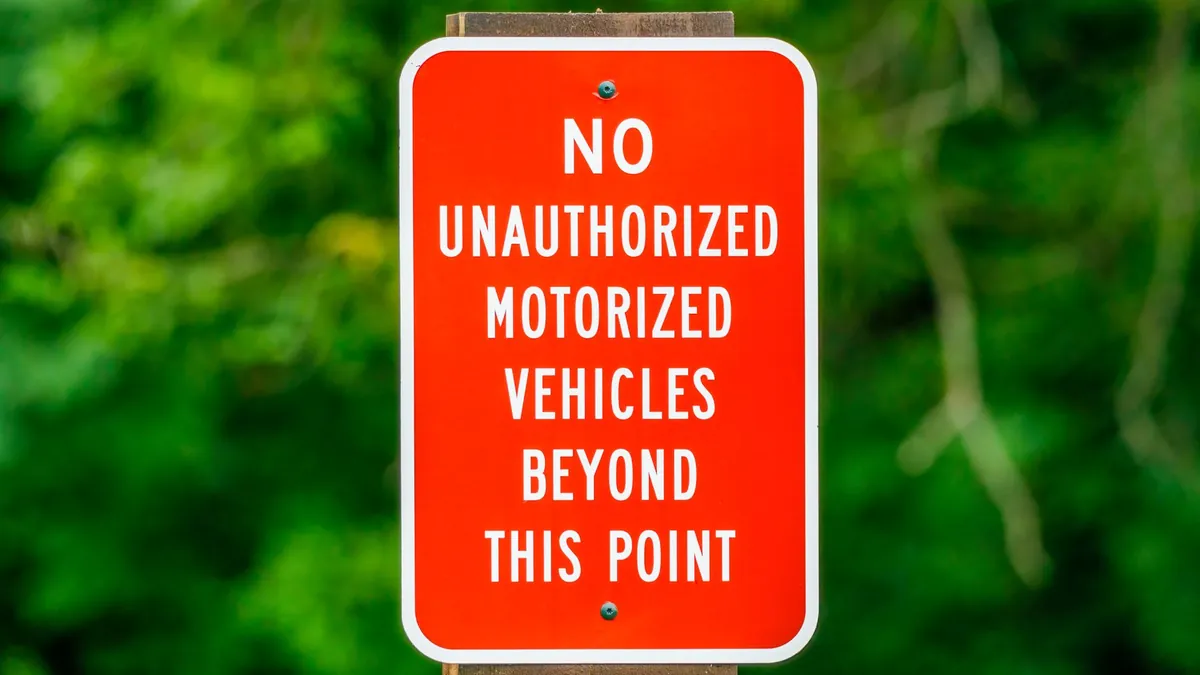
Rental car insurance agreements contain explicit prohibited-use clauses that most drivers skim past entirely. Off-road driving, commercial delivery use, racing, or even crossing certain international borders without prior authorization can instantly nullify your coverage — even if the actual damage occurred during completely normal driving. Rules around cross-border restrictions vary significantly by destination, and verifying them in advance is a non-optional step.
- Key Reality: International rentals carry additional layers of restriction; per Progressive, coverage terms shift dramatically once you cross a national border.
6. Failing to Report Accidents Within Required Timeframes

Most rental car insurance policies impose strict notification windows — typically 24 to 48 hours — and missing that deadline is treated as grounds for full claim denial. Attempting to handle minor repairs independently, without insurer approval, compounds the problem by creating a paper trail that works against you. As outlined by Insurance Claims Authority, proper claim documentation requires clinical precision: photos, estimates, receipts, and timely written notification to all relevant parties.
- Key Reality: Save every piece of communication — emails, rental company incident reports, and insurer acknowledgment receipts — from the moment an incident occurs.
Rental car insurance mistakes are almost always preventable, and they share a common root: assuming coverage exists without confirming the conditions that activate it. A few minutes of deliberate verification before every rental can protect you from financial exposure that no traveler budgets for. If you’ve navigated a tricky rental insurance situation — or narrowly avoided one — share your experience in the comments below.