11 Ways Budget Airlines Hide Fees in Base Tickets
As participants in Amazon Associates and other programs, we earn from qualifying purchases. This comes at no additional cost to you. For more details, see our Affiliate Disclosure.
That jaw-dropping 29-dollar fare plastered across your screen feels like a travel miracle — until it isn’t. Budget carriers have perfected the art of stripping tickets down to a bare skeleton price, then rebuilding the cost through a labyrinth of add-ons that most travelers never see coming.
Research has shown that 10% of airline booking sites employ deceptive practices, from hidden fees to preselected options that manipulate users into unintended purchases, according to dark pattern analysis by Eleken. Understanding exactly where budget airline hidden fees lurk is the only reliable defense against a fare that doubles before you even reach your destination.
1. Carry-On Baggage Restrictions and Oversized Enforcement at the Gate

Budget carriers increasingly charge for carry-on bags that exceed their precise dimensional limits, and gate agents are trained to enforce those measurements aggressively. What passes at the ticket counter can cost you 60 dollars or more at the boarding door.
- Key Reality: Gate bag fees are typically 2 to 3 times higher than fees paid during online booking.
2. Checked Luggage Charges Excluded from Initial Price Quote

Base fares almost universally exclude checked baggage, a detail buried in fine print that catches first-time budget flyers completely off guard. The full breakdown of hidden baggage surcharges reveals how dramatically these costs inflate your final bill.
- Key Reality: Checked bag fees can add 35 to 80 dollars per leg, each way.
3. Seat Selection Premiums for Standard and Emergency Exit Rows
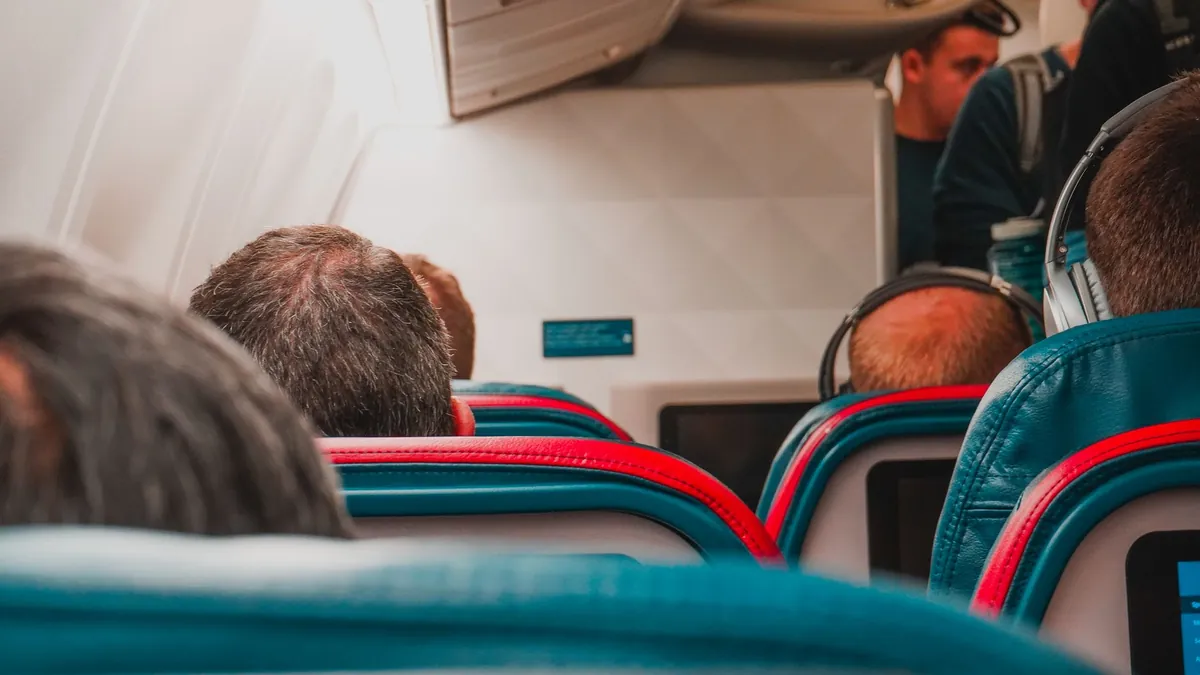
Choosing your own seat — even a middle seat in the back — often carries a fee on budget carriers. Emergency exit rows, which offer extra legroom, can command premiums of 25 to 55 dollars per flight segment.
- Key Reality: Declining seat selection means the airline assigns your seat at check-in, often splitting travel companions.
4. Online Check-In Deadlines with Automatic Airport Counter Fees

Miss the online check-in window — sometimes as narrow as 24 hours before departure — and you’ll pay an airport counter fee that can reach 55 dollars. This charge is rarely disclosed prominently during the booking process.
- Key Reality: Counter check-in fees are framed as a “service charge,” not a penalty.
5. Payment Processing Surcharges for Credit and Debit Cards

Many budget airlines add a per-passenger, per-leg payment processing fee that only appears on the final checkout screen. These surcharges can add 5 to 20 dollars to a booking that already seemed like a bargain.
- Key Reality: Some carriers waive this fee only for prepaid debit cards, which most travelers don’t carry.
6. Priority Boarding Upsells Disguised as Standard Service Tiers
Budget airlines have repackaged basic boarding access into tiered “bundles” that blur the line between an optional upgrade and a standard expectation. Travelers who want overhead bin access near their seat are effectively pressured into purchasing priority boarding.
- Key Reality: Priority boarding bundles typically cost 12 to 30 dollars per flight segment.
7. Name Change and Spelling Correction Penalties After Booking

A single transposed letter in your name can trigger an administrative correction fee ranging from 25 to 150 dollars, depending on the carrier. Budget airlines treat even minor typographical errors as formal name changes requiring paid processing.
- Key Reality: Always triple-check passenger names against your passport before confirming any booking.
8. Flight Modification Fees Applied Beyond Airline-Initiated Changes

Passengers who need to change their travel date face modification fees that can rival the original fare itself. Importantly, European Parliament passenger rights frameworks under Regulation (EC) No 261/2004 protect travelers from fees on airline-initiated schedule changes — a distinction most carriers don’t advertise.
- Key Reality: Voluntary date changes can cost 50 to 120 dollars plus any fare difference.
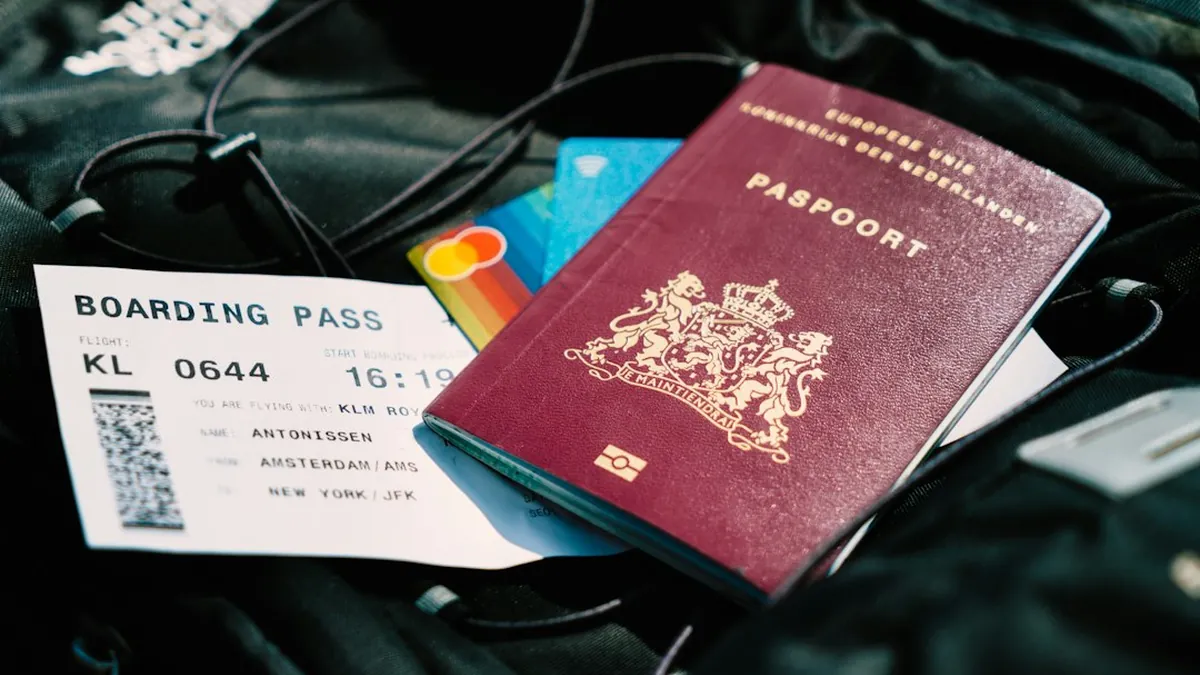
9. Boarding Pass Printing and Reissue Charges at Airport Counters
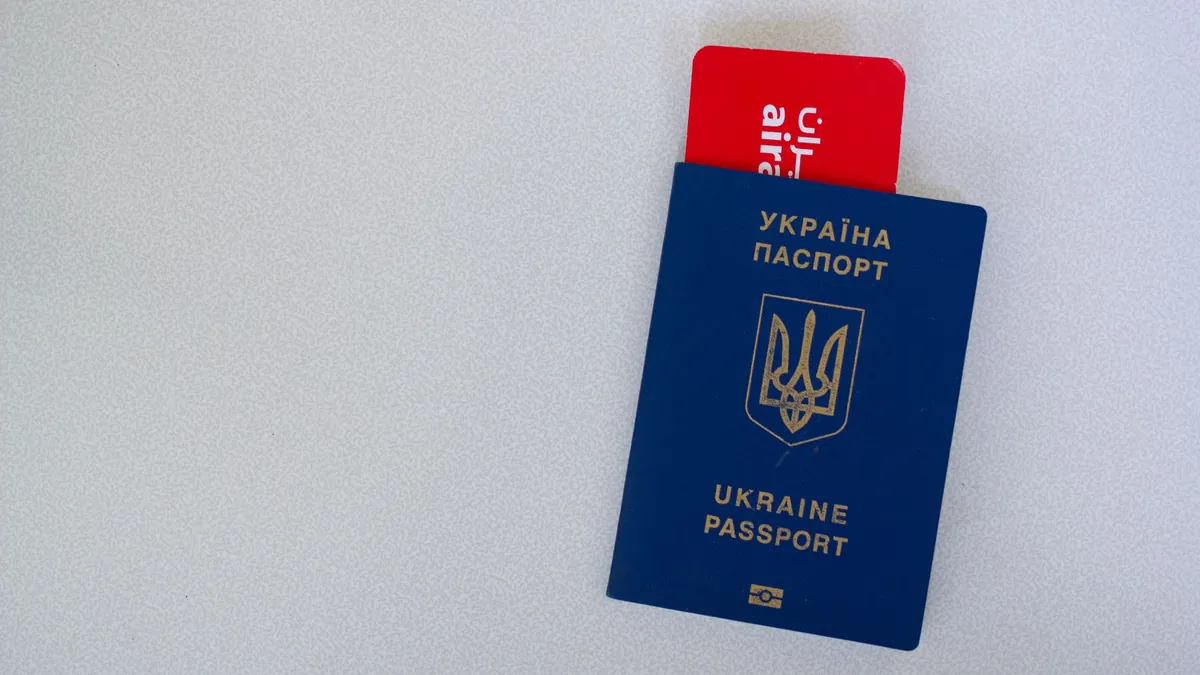
Forgetting to print your boarding pass or losing mobile access at the airport can result in a printing fee of up to 25 dollars per passenger. This charge targets travelers who are already stressed and have little negotiating power at the gate.
- Key Reality: Always screenshot your mobile boarding pass before entering airport Wi-Fi dead zones.
10. Baggage Weight Limits with Per-Kilogram Overage Penalties
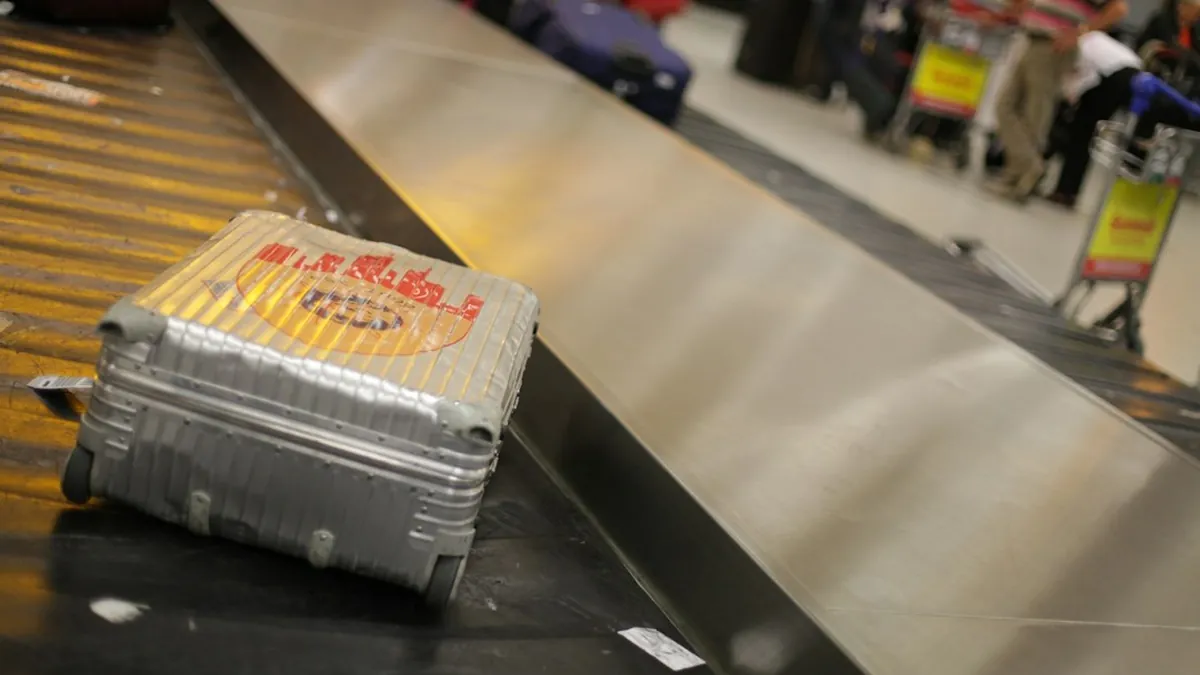
Budget carriers set strict weight caps — often as low as 10 kilograms for checked bags — and charge per-kilogram overage fees that escalate rapidly at the counter. Knowing your luggage size and weight options before you pack can save you from a costly airport surprise.
- Key Reality: Per-kilogram overage fees typically run 10 to 20 dollars per excess kilogram.
11. Administrative Fees for Cancellations and Refund Processing

Even when a refund is technically permitted, budget airlines frequently deduct an “administrative processing fee” that can consume 30 to 50% of the original ticket value. Travelers with disabilities are protected from certain ancillary charges — airlines must accommodate service animals and medical equipment at no extra cost, as confirmed by disability travel rights guidance.
- Key Reality: Opting for travel credit instead of a cash refund sometimes waives the administrative fee entirely.
Budget airline hidden fees are not accidental oversights — they are engineered revenue streams that collectively push ancillary airline income into the hundreds of billions globally. Traveling smart means reading every checkout screen line by line and knowing your rights before you ever reach the gate. If you’ve been caught off guard by any of these charges, share your experience in the comments below.