10 Peaceful European Countryside Escapes With Historic Vineyards
As participants in Amazon Associates and other programs, we earn from qualifying purchases. This comes at no additional cost to you. For more details, see our Affiliate Disclosure.
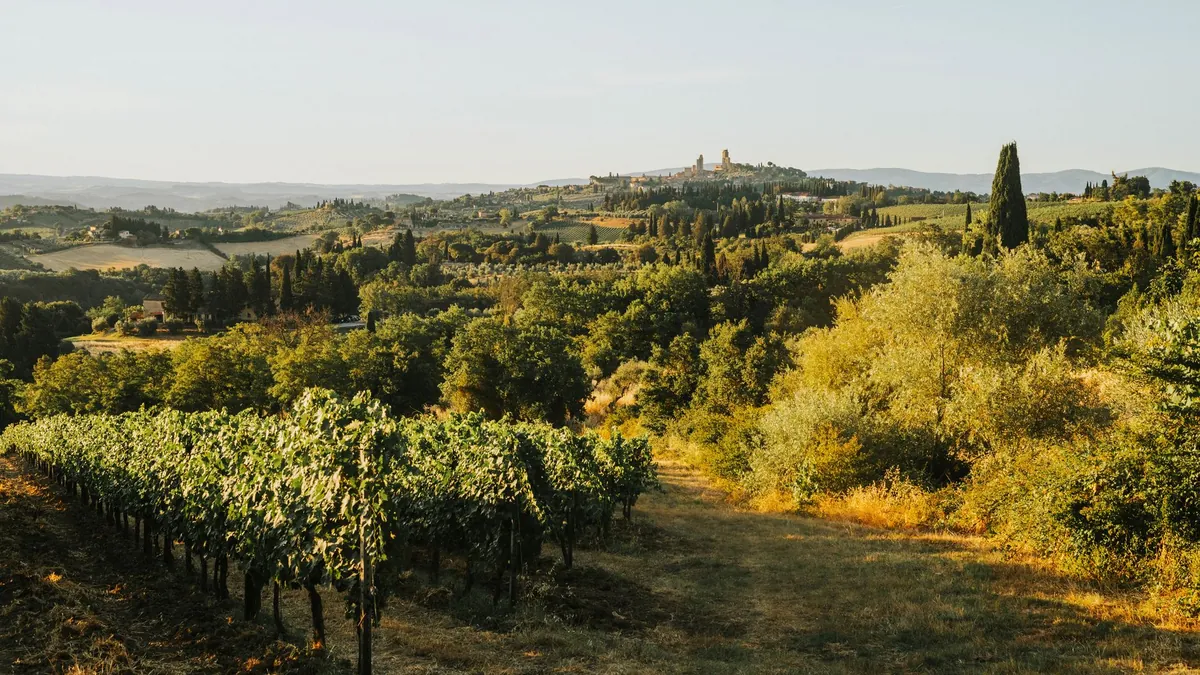
There is a particular kind of stillness that settles over European countryside vineyards just before harvest — rows of ancient vines catching golden light, cellar doors creaking open to centuries of winemaking tradition. Travelers chasing that experience are increasingly bypassing crowded capitals in favor of rural wine regions that reward patience and curiosity in equal measure.
Yet most itineraries still default to the same 3 or 4 marquee destinations, missing dozens of equally extraordinary terroirs hiding in plain sight. Sustainable viticulture is reshaping these landscapes too, with biodynamic farming now practiced across 255,051 hectares in 65 countries — meaning the vineyards you visit today are actively healthier, greener, and more alive than ever before.
1. Douro Valley, Portugal: Terraced Vineyards Along the River and Traditional Quinta Estates
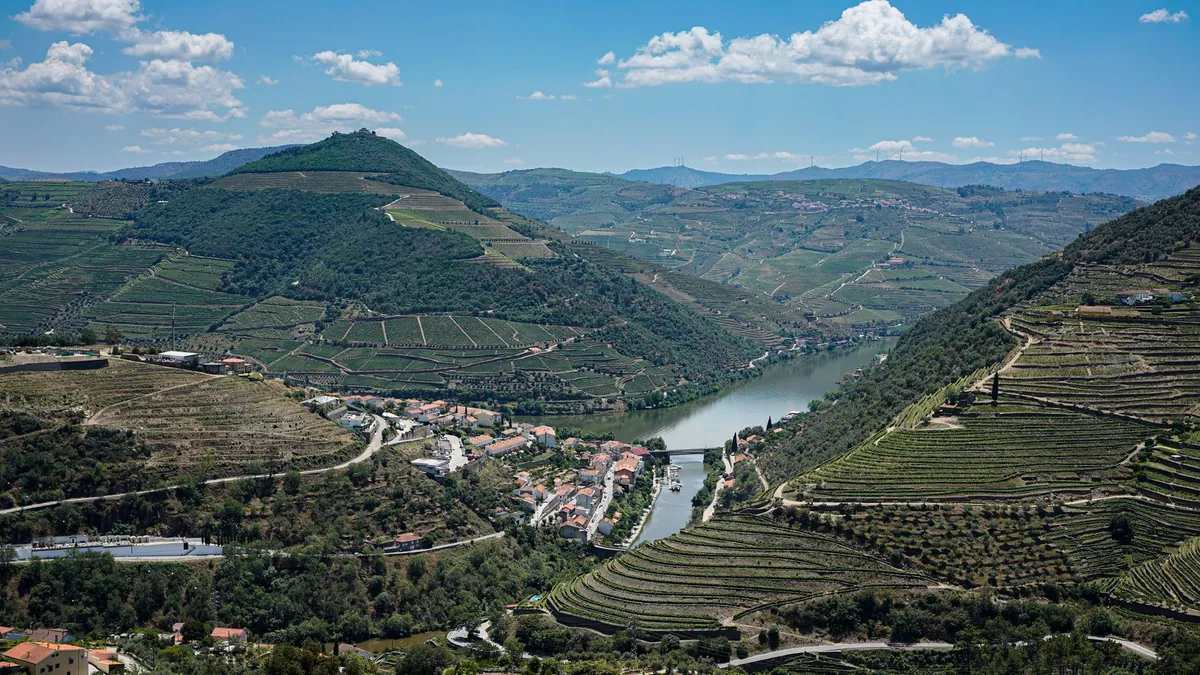
Portugal’s Douro Valley stacks its schist-terraced vineyards in dramatic tiers above a winding river, creating one of Europe’s most visually arresting wine landscapes. Traditional quinta estates offer intimate tastings far removed from commercial tourism, and Visit Portugal confirms the region’s UNESCO World Heritage status underscores its irreplaceable cultural weight.
- Key Reality: Off-season travel between November and March cuts regional accommodation costs by 30–40%.
2. Rioja, Spain: Ancient Winemaking Heritage With Boutique Bodegas and Rolling Hillsides
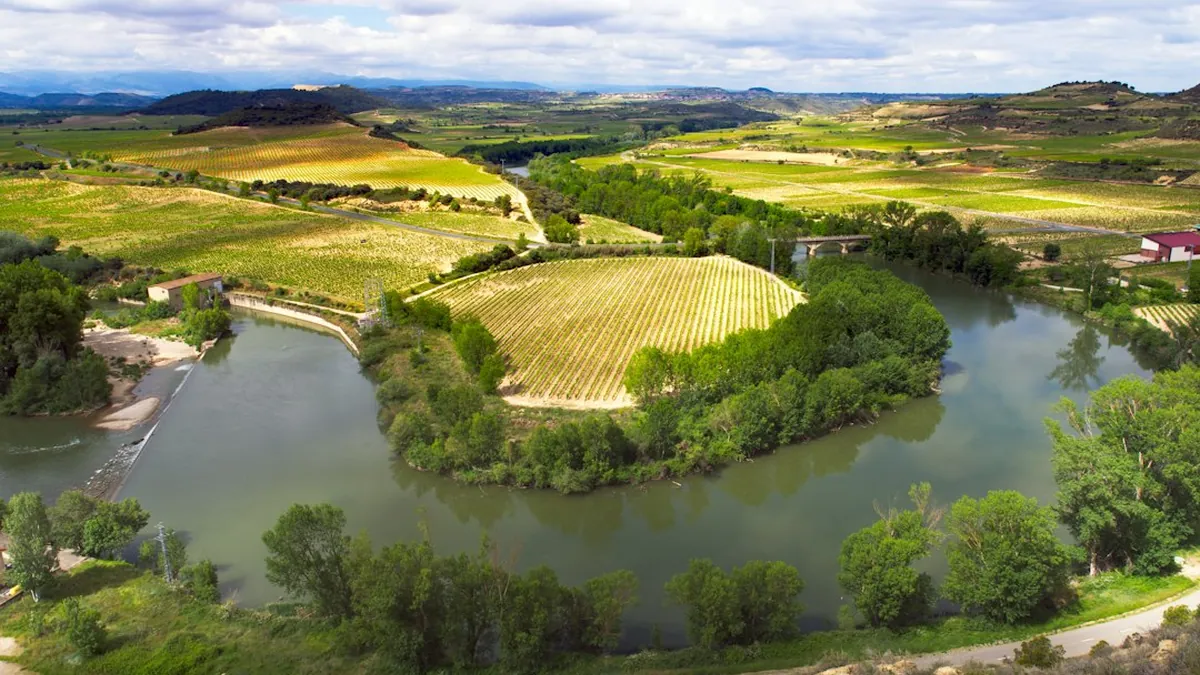
Rioja’s rust-red hillsides and centuries-old bodegas represent Spanish winemaking at its most confident and unhurried. Boutique producers throughout the region welcome visitors for barrel tastings and vineyard walks that larger operations simply cannot replicate.
- Key Reality: Many family-run bodegas offer tasting experiences starting under 15 euros per person.
3. Tuscany, Italy: Renaissance Countryside With Chianti Classico Vineyards and Stone Farmhouses
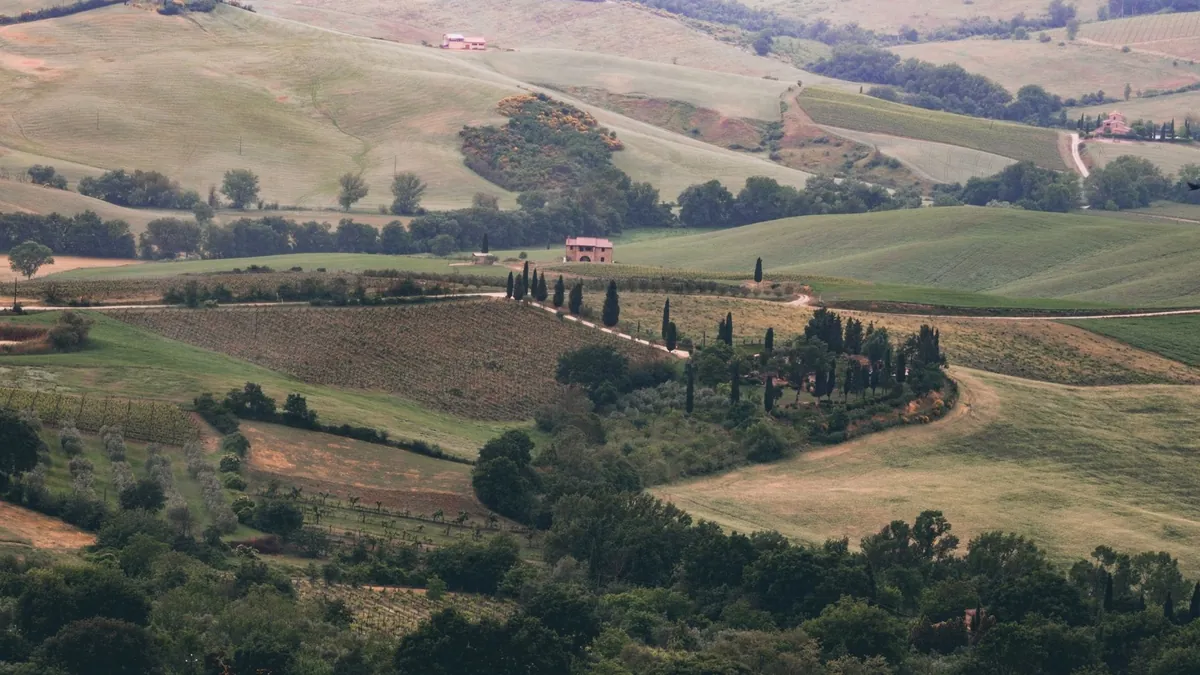
Tuscany’s cypress-lined roads and honey-stone farmhouses frame Chianti Classico vineyards that have defined Italian wine identity for generations. Pairing a vineyard stay with visits to the charming small towns of Italy nearby transforms a wine trip into a full cultural immersion.
- Key Reality: Agriturismo stays in Chianti average 90–130 euros per night and typically include breakfast.
4. Champagne, France: Chalk Soil Terroirs and Prestigious Houses Nestled in Quiet Valleys

Beyond the famous labels, Champagne’s countryside is a mosaic of chalk-white hillsides and quietly elegant villages that most travelers never slow down to explore. The region’s unique terroir — its chalky subsoil storing moisture and cooling vine roots — produces effervescence that genuinely cannot be replicated anywhere else on earth.
- Key Reality: Grower-producer Champagnes (récoltant-manipulant) cost 30–50% less than grand-house equivalents at cellar doors.
5. Provence, France: Lavender-Lined Vineyard Paths and Rosé Wine Production in Southern Tranquility
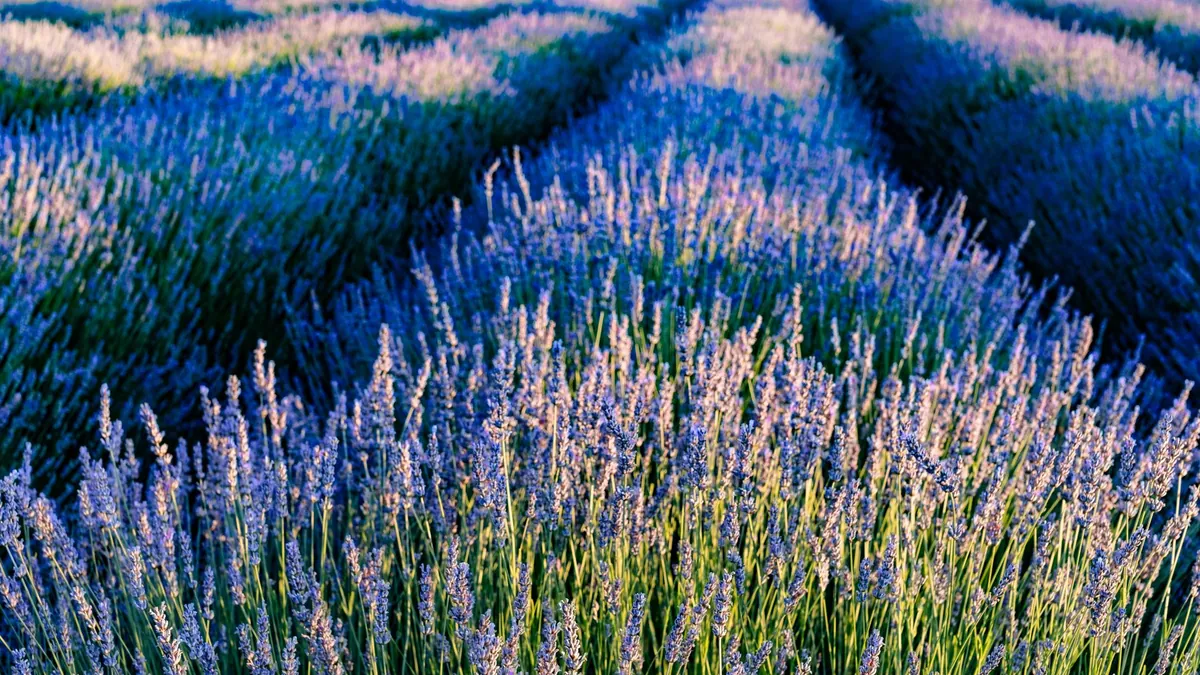
Provence produces roughly 40% of all French rosé, and its vineyard paths winding between lavender fields and terracotta villages deliver a sensory experience unlike anywhere else in Europe. Those eager to venture beyond the obvious should explore the incredible French destinations surrounding this region for even richer countryside rewards.
- Key Reality: Domaine tastings in Provence are frequently free or under 10 euros with bottle purchase.
6. Mosel Valley, Germany: Steep Slate Vineyards and Medieval Wine Villages Along the River
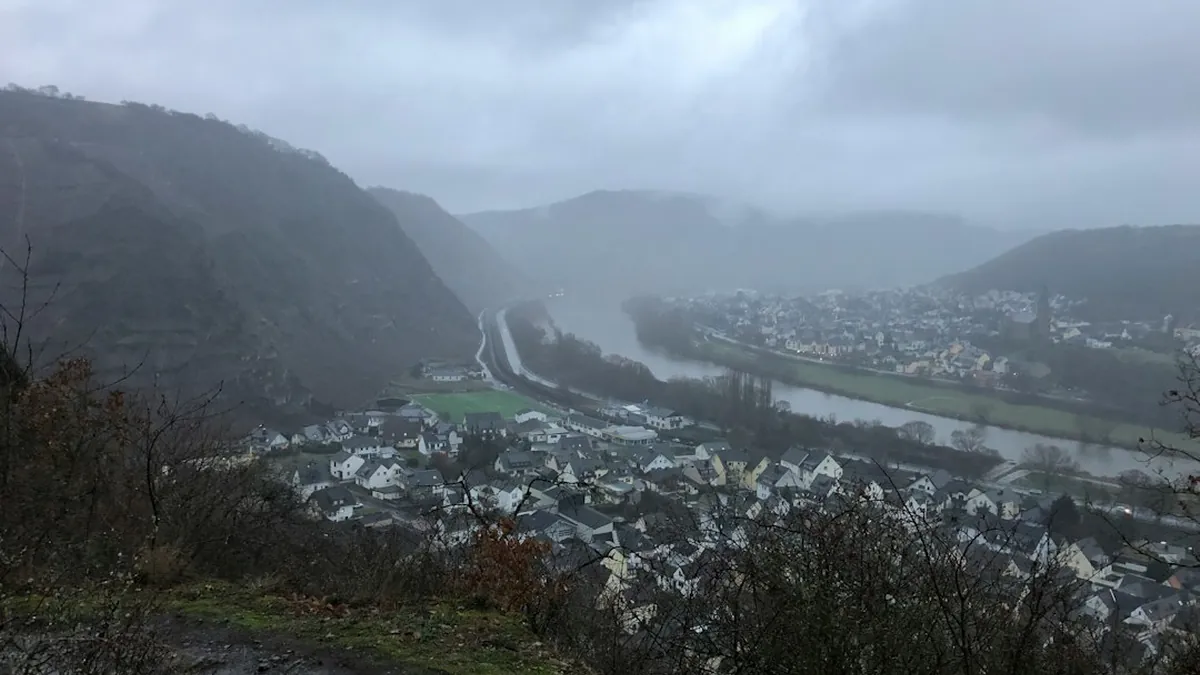
Germany’s Mosel Valley presents some of Europe’s most physically dramatic viticulture — vineyards tilted at gradients exceeding 60 degrees, hand-harvested by workers clinging to ancient slate slopes. Medieval villages like Bernkastel-Kues cluster along the riverbank, offering Riesling tastings inside half-timbered wine taverns that feel entirely untouched by modern tourism.
- Key Reality: Mosel Riesling Spätlese from top producers retails at cellar doors for as little as 12 euros per bottle.
7. Penedès, Catalonia, Spain: Modernist Wineries Surrounded by Mediterranean Countryside Serenity
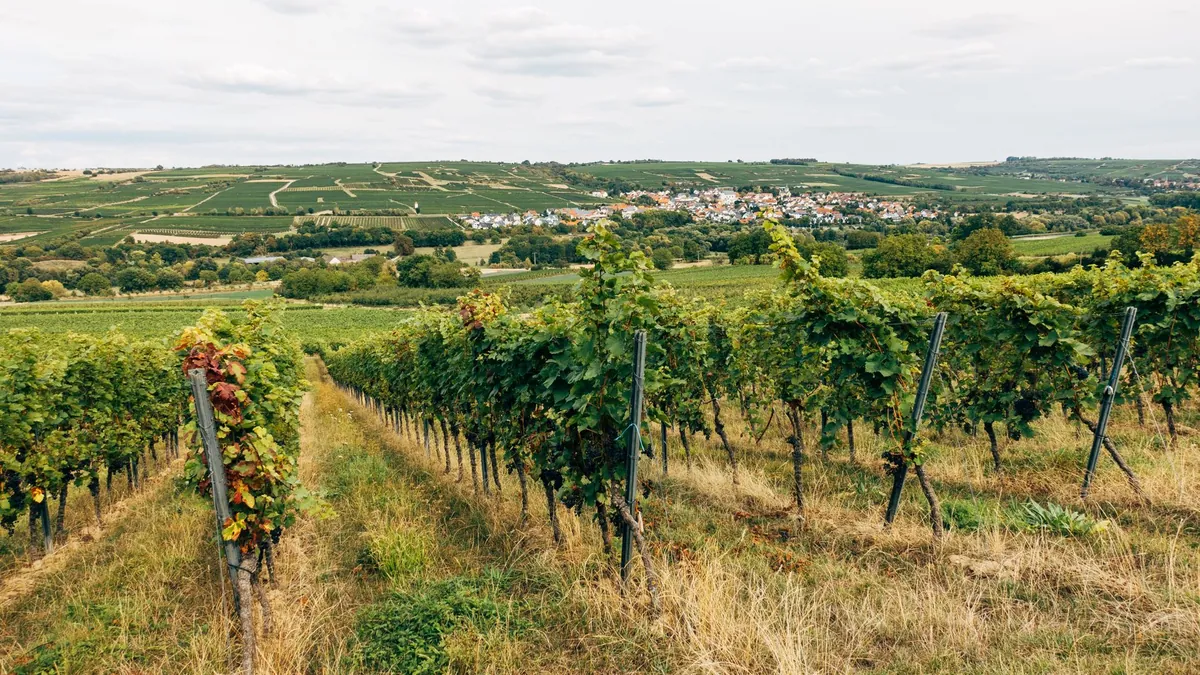
Penedès sits just 45 minutes from Barcelona yet operates in an entirely different register — wide Mediterranean skies, cava-producing estates, and architecturally striking wineries designed by names like Rafael Moneo. The contrast between avant-garde winery design and ancient vine rows creates a visual tension that makes every photograph here genuinely compelling.
- Key Reality: Cava production costs make Penedès sparkling wines among Europe’s best value at 8–18 euros per bottle.
8. Barossa Valley Adjacent Regions: Historic European-Style Vineyards With Rural Charm
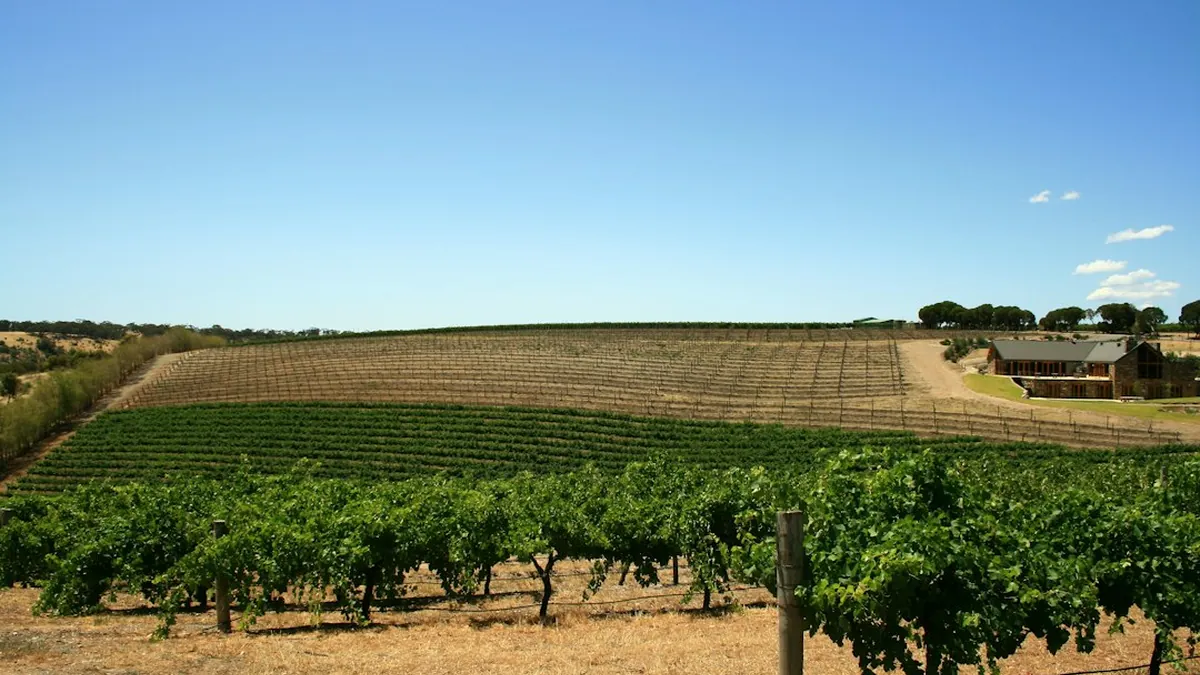
While technically outside Europe, the Barossa Valley and its neighboring Eden Valley were shaped entirely by 19th-century German and British settlers who transplanted European winemaking traditions wholesale into Australian soil. The result is a countryside aesthetic — Lutheran churches, stone cottages, and old-world cellar doors — that mirrors the European countryside vineyards experience with remarkable fidelity.
- Key Reality: Some Barossa Shiraz vines pre-date 1880, making them among the oldest continuously producing vines on the planet.
9. Tokaj, Hungary: Golden Wine Terraces and Centuries-Old Cellar Networks in Eastern European Countryside
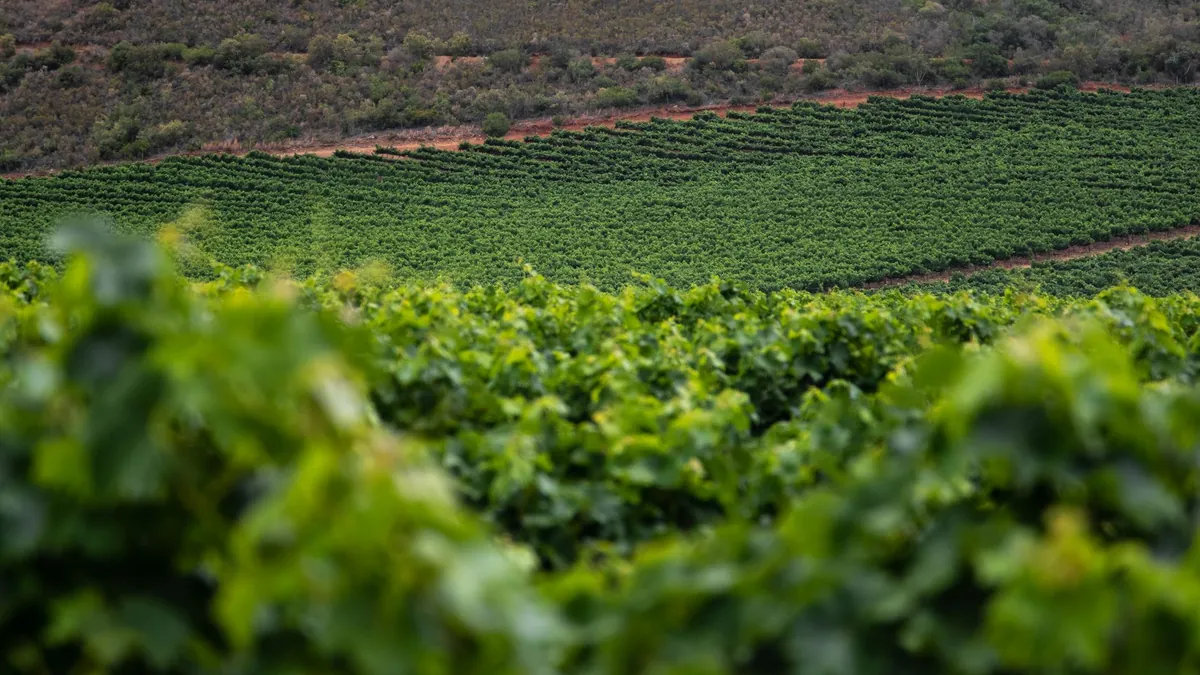
Tokaj’s volcanic hillsides and labyrinthine underground cellars — some stretching for kilometers beneath the village streets — have produced Hungary’s legendary Aszú wines since at least the 16th century. This deeply undervisited region rewards curious travelers with extraordinary wine quality, minimal crowds, and prices that make Western European wine tourism feel extravagant by comparison, as highlighted among Europe’s underexplored destinations worth prioritizing.
- Key Reality: A full Tokaj Aszú tasting experience with 5 wines typically costs under 20 euros at local producers.
10. Alsace, France: Half-Timbered Villages Amid Vineyard-Covered Mountains and Traditional Wine Routes
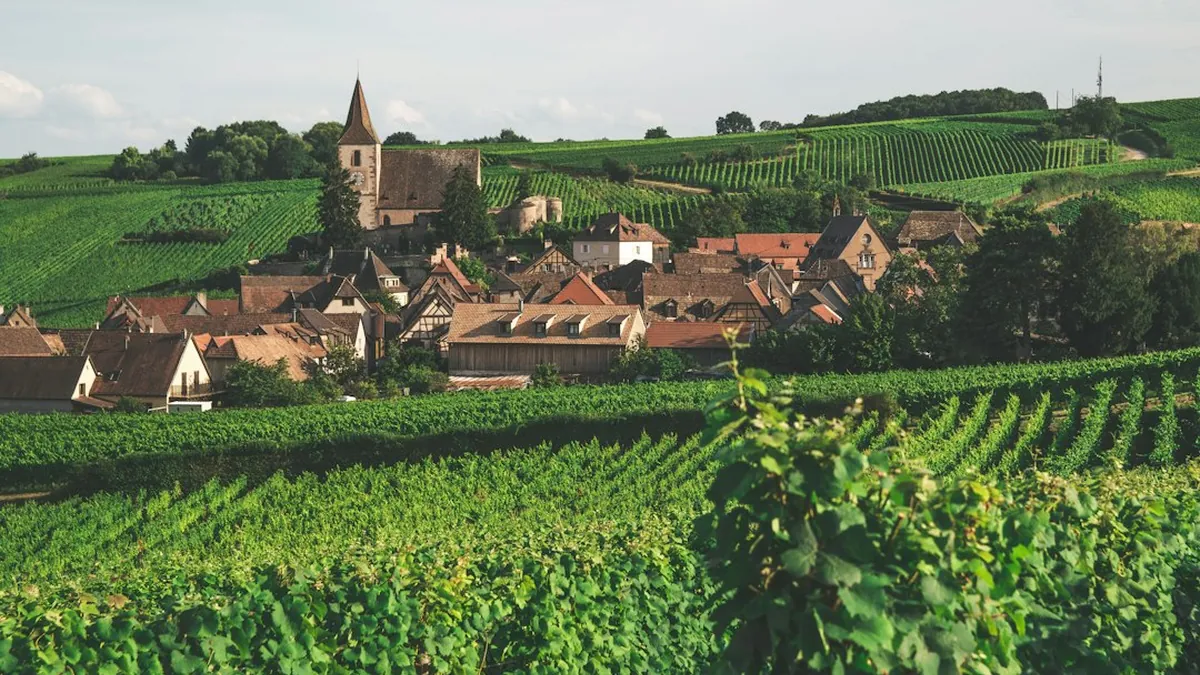
Alsace’s Route des Vins stretches 170 kilometers through a corridor of pastel-painted villages, Vosges mountain backdrops, and Riesling and Gewurztraminer vines that have thrived here for over 2,000 years. Accessibility-conscious travelers should note that planning accessible winery visits in advance — specifying mobility equipment needs directly with estates — ensures the experience remains genuinely inclusive across this entire region.
- Key Reality: Alsace