10 Charming Small Towns in Italy Where Tourists Are Welcomed
As participants in Amazon Associates and other programs, we earn from qualifying purchases. This comes at no additional cost to you. For more details, see our Affiliate Disclosure.
Italy’s most-photographed cities — Rome, Florence, Venice — have spent years grappling with overtourism, leaving many travelers wondering whether a warmer, more authentic welcome even exists anymore. The answer, quietly and consistently, has been hiding in the country’s smaller comuni, where piazzas still belong to the people who live there. These are places where a stranger ordering espresso at the bar is a novelty, not an inconvenience.
The assumption that small-town Italy is either inaccessible or unwelcoming to outsiders is one of travel’s most persistent myths. Knowing the best time to visit Italy and pairing it with the right destination can transform a standard European trip into something genuinely memorable. These 10 towns prove that the country’s real hospitality lives well beyond the tourist corridors.
1. Montepulciano in Tuscany: Renaissance Architecture and Vino Nobile Wine Country
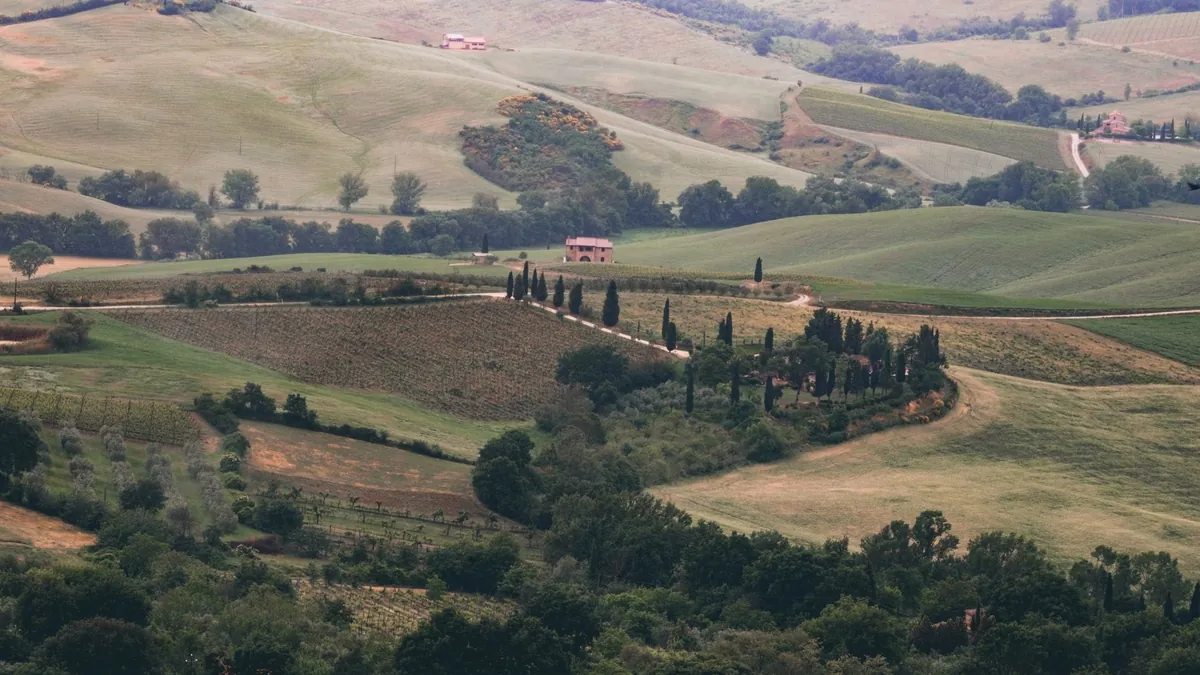
Perched dramatically above the Val d’Orcia, Montepulciano rewards visitors with Renaissance palazzi, medieval alleyways, and cellars carved directly into volcanic tufa rock. The town’s Vino Nobile is a DOCG-designated wine with centuries of prestige behind every bottle. Locals here are accustomed to curious visitors and genuinely enjoy sharing their viticultural pride.
- Key Reality: Wine tastings at local cantinas typically cost between 10 and 20 euros per person.
2. Civita di Bagnoregio in Lazio: The Eroding Hilltop Village with Dramatic Geological Formations
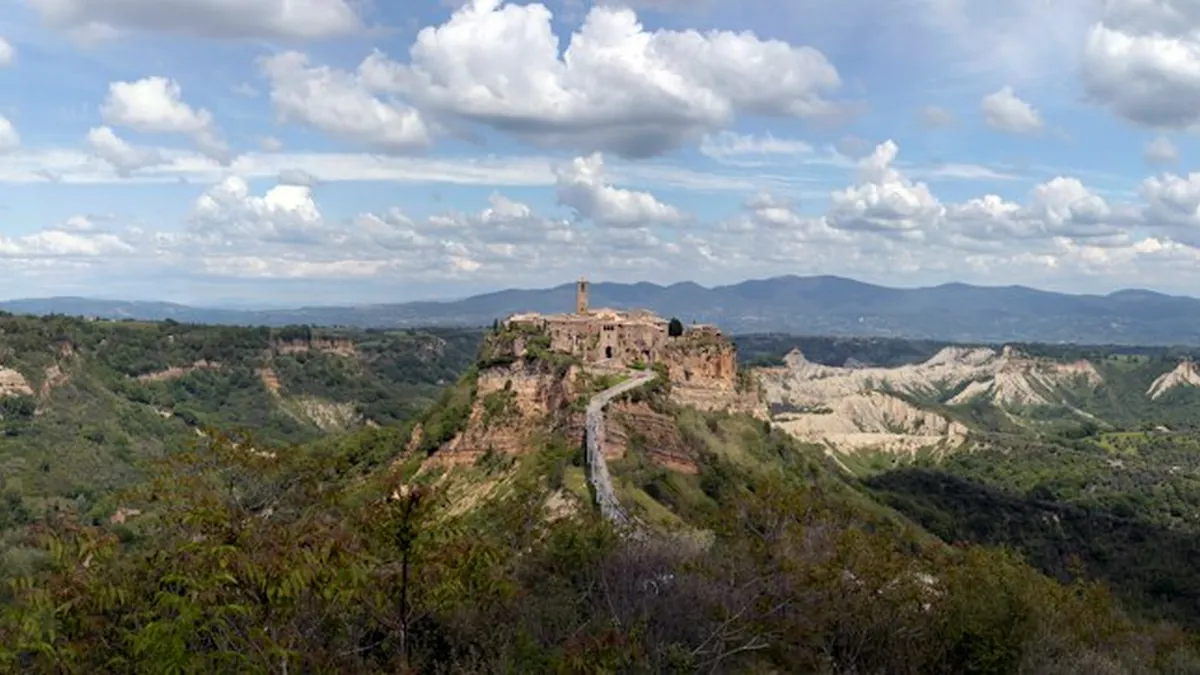
Civita di Bagnoregio sits atop a crumbling plateau of volcanic tuff, accessible only by a single pedestrian bridge — a setup that feels more mythological than municipal. The village’s population hovers around 10 permanent residents, making every visitor interaction feel genuinely personal. Its geological fragility is also its greatest spectacle.
- Key Reality: A 5-euro entrance fee applies to cross the bridge into the village.
3. Manarola in Cinque Terre: Colorful Coastal Charm and Terraced Vineyard Landscapes
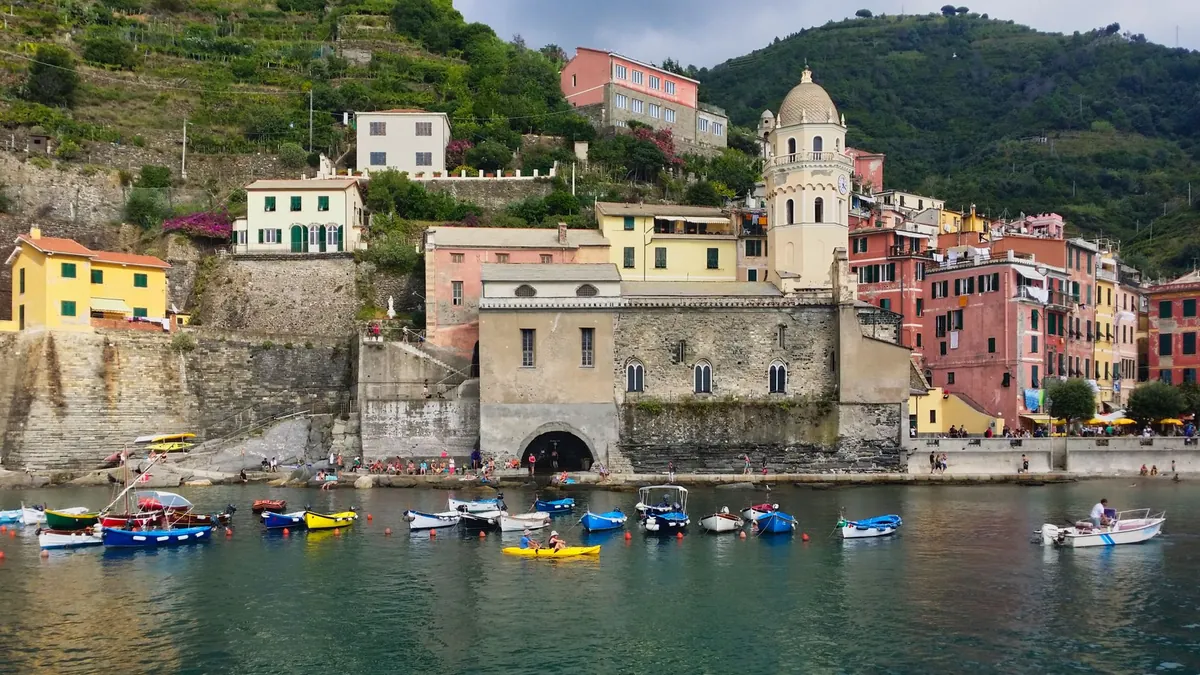
Of Cinque Terre’s 5 villages, Manarola arguably offers the most photogenic harbor and the most manageable crowds. Stacked pastel buildings tumble toward a rocky cove where locals still fish at dawn. The terraced vineyards above town produce Sciacchetrà, a rare and intensely sweet dessert wine worth seeking out.
- Key Reality: The Cinque Terre Card, starting at 7.50 euros, covers trail access across all 5 villages.
4. Orvieto in Umbria: Medieval Hilltop Town Featuring the Stunning Duomo Cathedral
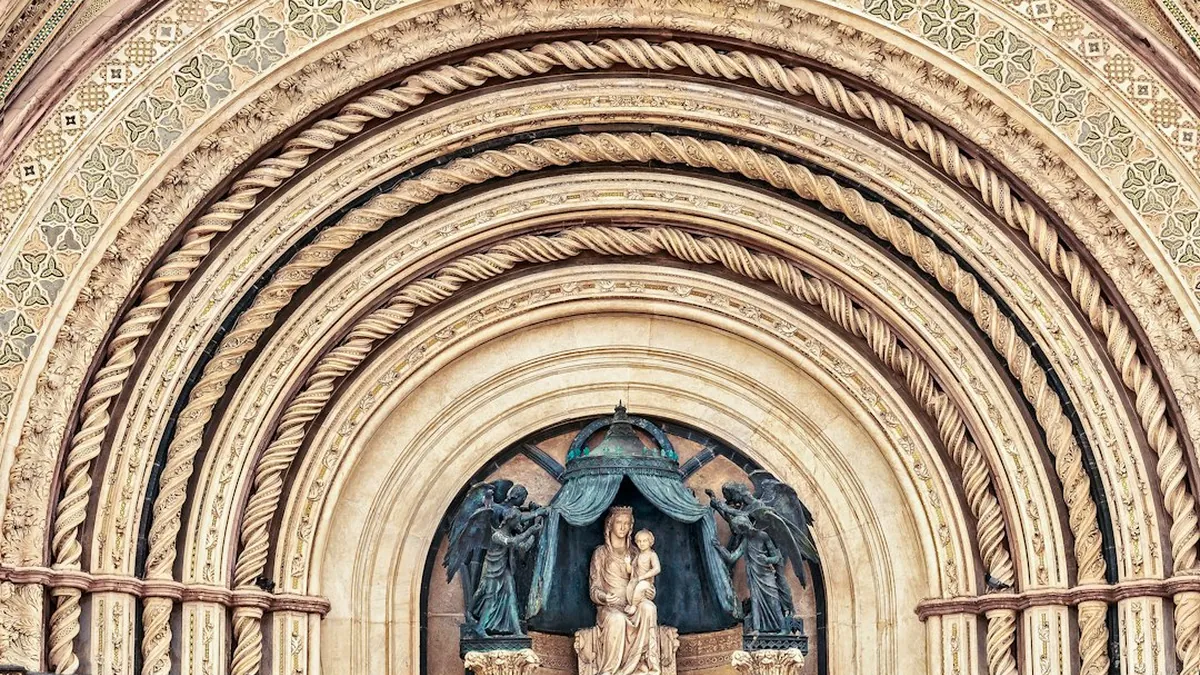
Orvieto rises from a flat volcanic plateau like a stone ship sailing above the Umbrian plains, its striped Gothic Duomo visible from miles away. The cathedral’s façade, covered in golden mosaics and intricate bas-reliefs, is considered 1 of Italy’s greatest architectural achievements. Underground, a labyrinth of Etruscan tunnels adds a quietly thrilling dimension to any visit.
- Key Reality: The funicular connecting the train station to the old town costs just 1.30 euros each way.
5. Positano on the Amalfi Coast: Pastel-Colored Cliffside Architecture and Mediterranean Views
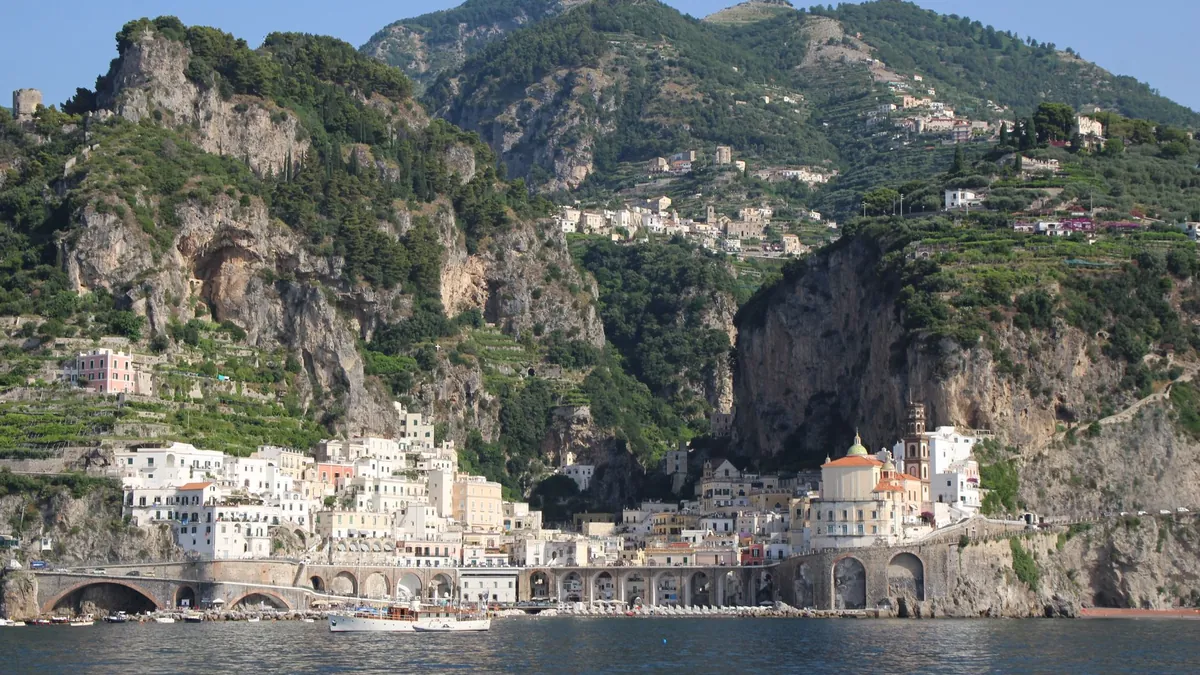
Positano cascades down the Amalfi cliffs in a vertical riot of terracotta, lemon yellow, and dusty rose — a composition that photographers have chased for decades. Despite its fame, the town retains a genuinely village-scale intimacy, with narrow stairways connecting neighborhoods that cars simply cannot reach. It’s also a strong contender for any girls trip destination shortlist.
- Key Reality: Budget at least 150 euros per night for mid-range accommodation during peak summer season.
6. Montalcino in Tuscany: Brunello Wine Heritage and Panoramic Val d’Orcia Vistas
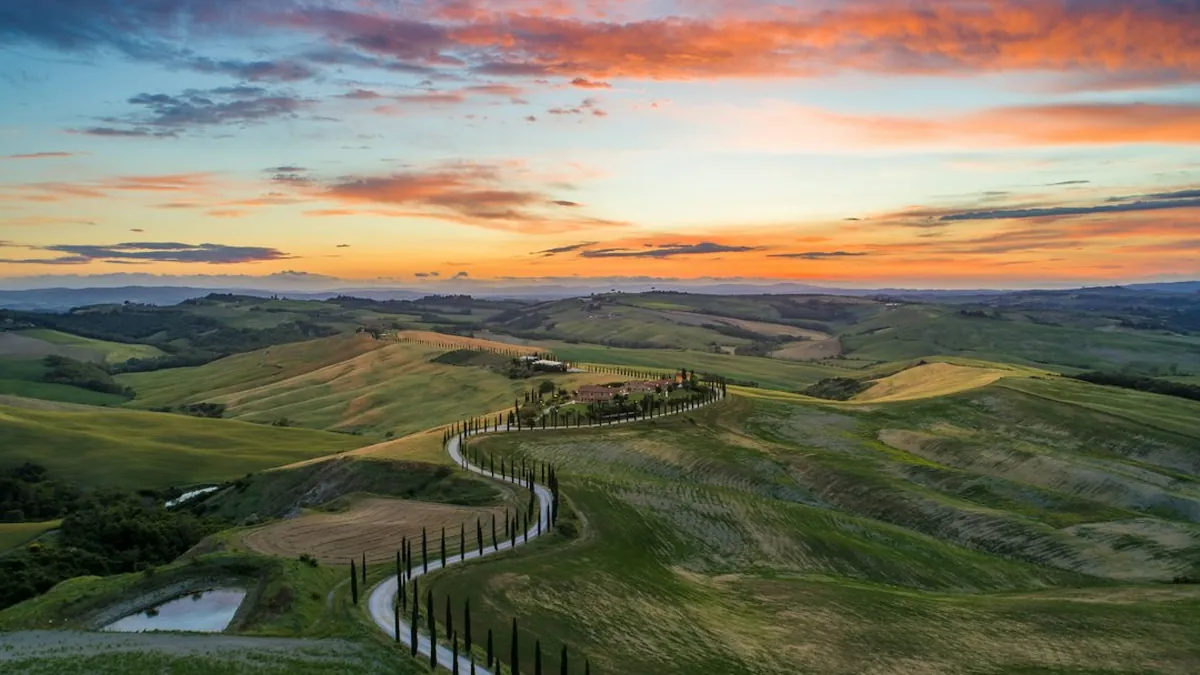
Montalcino is a compact medieval fortress town whose global reputation rests almost entirely on 1 wine: Brunello di Montalcino, among Italy’s most celebrated and age-worthy reds. The 14th-century fortress at its crown doubles as an enoteca, offering tastings with views across rolling Val d’Orcia countryside. Fewer than 5,000 people call this town home, which keeps the atmosphere refreshingly unhurried.
- Key Reality: A bottle of Brunello di Montalcino from a reputable producer starts at around 35 euros locally.
7. Ravello in Campania: Clifftop Elegance with Lemon Groves and Coastal Panoramas
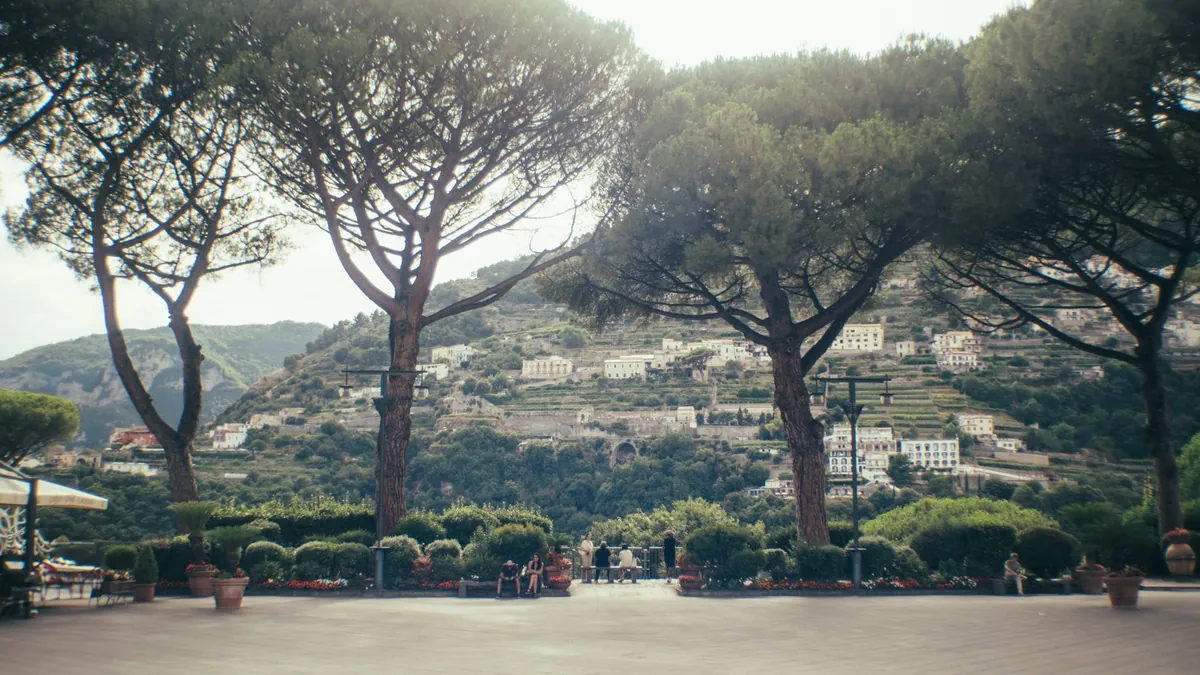
Ravello sits 350 meters above the Amalfi Coast, offering a quieter, more refined alternative to the bustle below. Its Villa Cimbrone gardens are famous for the Terrace of Infinity, a belvedere overlooking a sweep of Tyrrhenian Sea that has inspired writers, composers, and royalty alike. The town’s annual music festival draws serious classical audiences each summer.
- Key Reality: Villa Cimbrone garden admission costs 7 euros per adult.
8. Spello in Umbria: Roman Foundations and Flower-Lined Medieval Streets
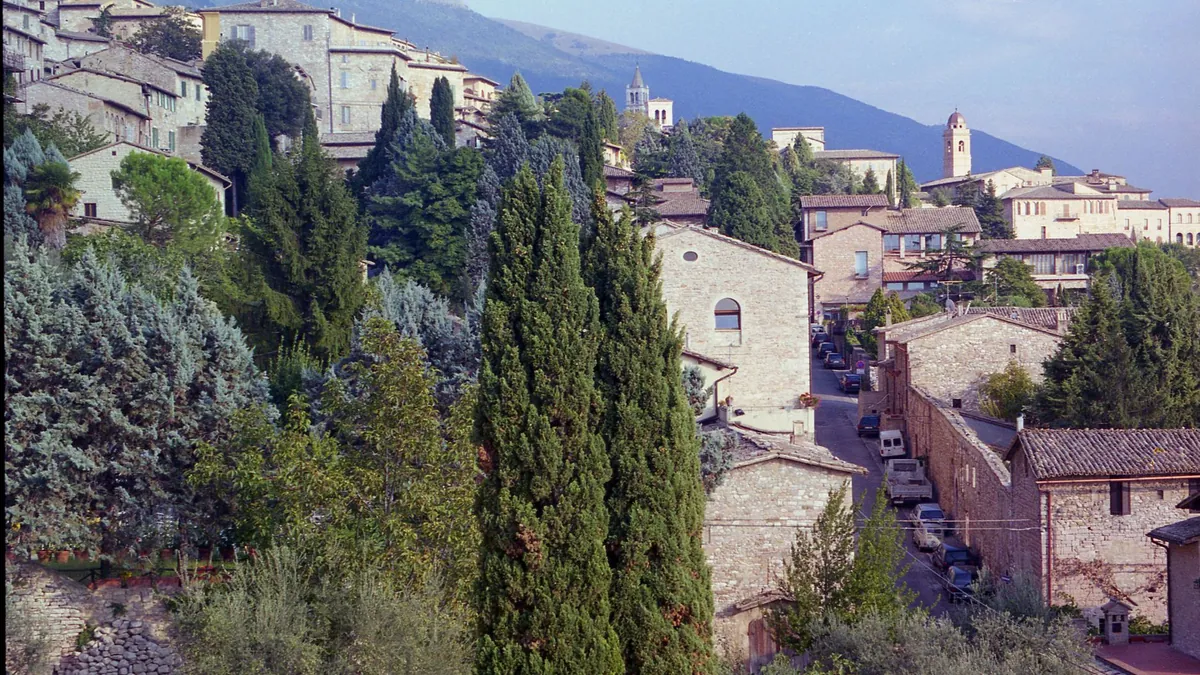
Spello is the kind of town that makes visitors instinctively slow their pace — its pink-stone lanes are draped in geraniums, wisteria, and climbing roses for much of the year. Roman gates still mark the town’s original entrances, and a Pinturicchio fresco inside the Collegiata di Santa Maria Maggiore alone justifies the detour. It’s a hidden European gem that rarely appears on mainstream itineraries.
- Key Reality: Spello’s Infiorata festival, held in June, transforms the streets into elaborate floral carpets.
9. Modica in Sicily: Baroque Splendor and Authentic Sicilian Gastronomy
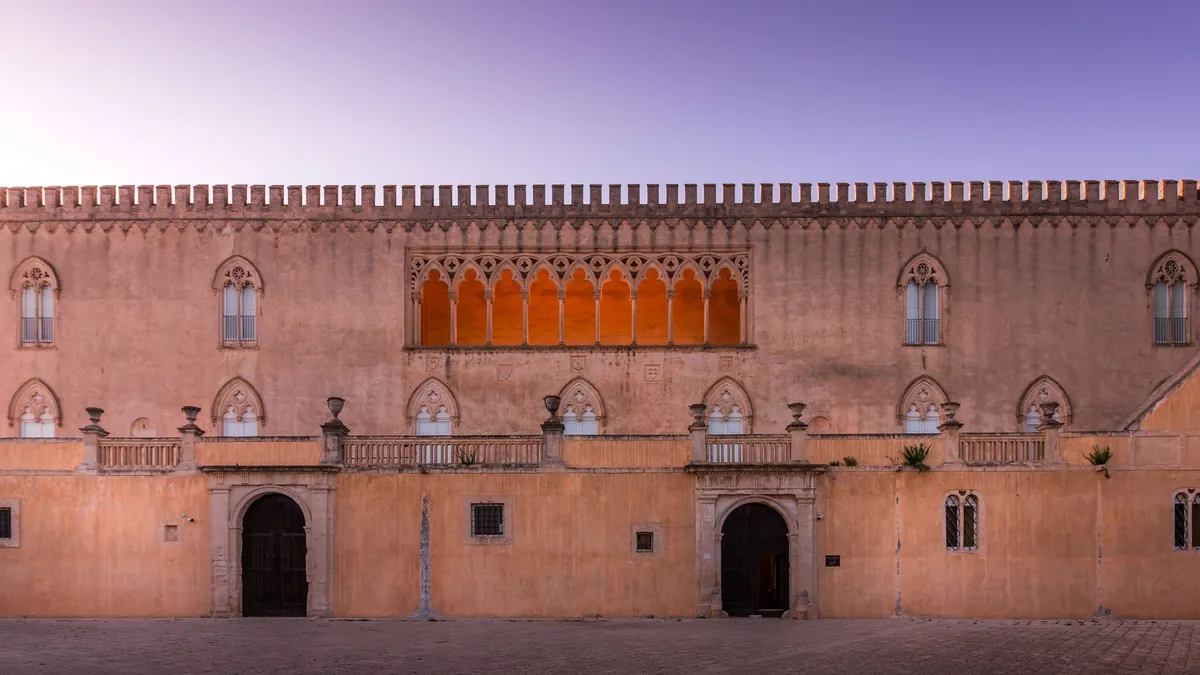
Modica’s UNESCO-listed Baroque architecture is extraordinary — tier upon tier of honey-colored churches and palazzi climbing a dramatic ravine in southeastern Sicily. The town is equally famous for its ancient Aztec-style chocolate, made without cocoa butter and still produced using pre-colonial techniques. Italy is generally safe for solo female travelers, and Modica’s relaxed, community-oriented culture makes it especially approachable.
- Key Reality: A 100-gram bar of authentic Modica chocolate costs between 4 and 8 euros at local shops.
10. Asolo in Veneto: Renaissance Piazza and Hillside Fortifications with Artistic Heritage
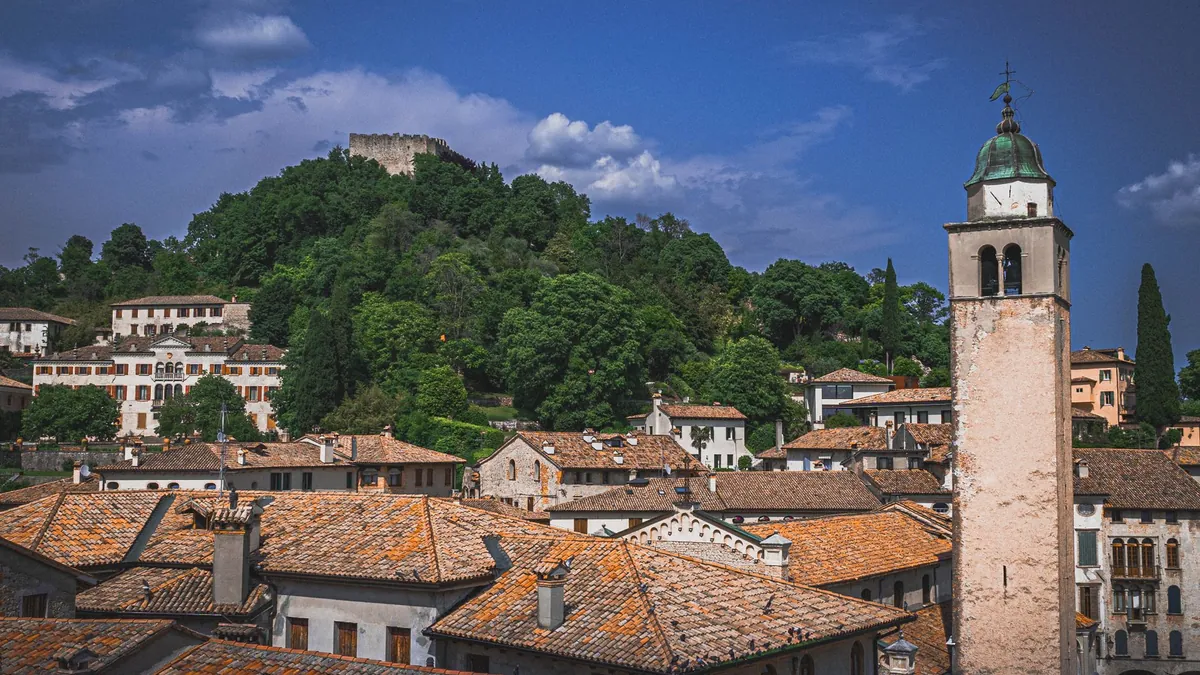
Tucked into the foothills of the Dolomites, Asolo is a Renaissance jewel that has quietly attracted poets, painters, and exiled queens for centuries. Its central Piazza Garibaldi is anchored by a medieval fountain and framed by frescoed arcades that feel genuinely lived-in rather than staged for tourism. The surrounding hills offer cycling routes and vineyard trails through Prosecco country.