6 Times You Should Never Accept a Hotel Room Upgrade
As participants in Amazon Associates and other programs, we earn from qualifying purchases. This comes at no additional cost to you. For more details, see our Affiliate Disclosure.
Few travel moments feel as instantly gratifying as a front desk agent sliding a new key card across the counter and whispering the magic words: “We’ve upgraded your room.” For most guests, a hotel room upgrade at check-in registers as an unambiguous victory — a small luxury win before the trip has even properly begun. The excitement is understandable, but the reality is often far more complicated than the moment suggests.
Hotels operate across a wide spectrum of property types and service models, and as industry analysts at Wolfgramm Education note, classifications range from luxury resorts to limited-service extended-stay properties — each with vastly different upgrade implications. What looks like a generous gesture can quietly introduce noise, fees, accessibility barriers, or logistical headaches that erode the very comfort you paid for. These are the 6 situations where saying “no, thank you” is the smartest move you can make.
1. When the Upgrade Comes With Unexpected Additional Charges or Hidden Fees
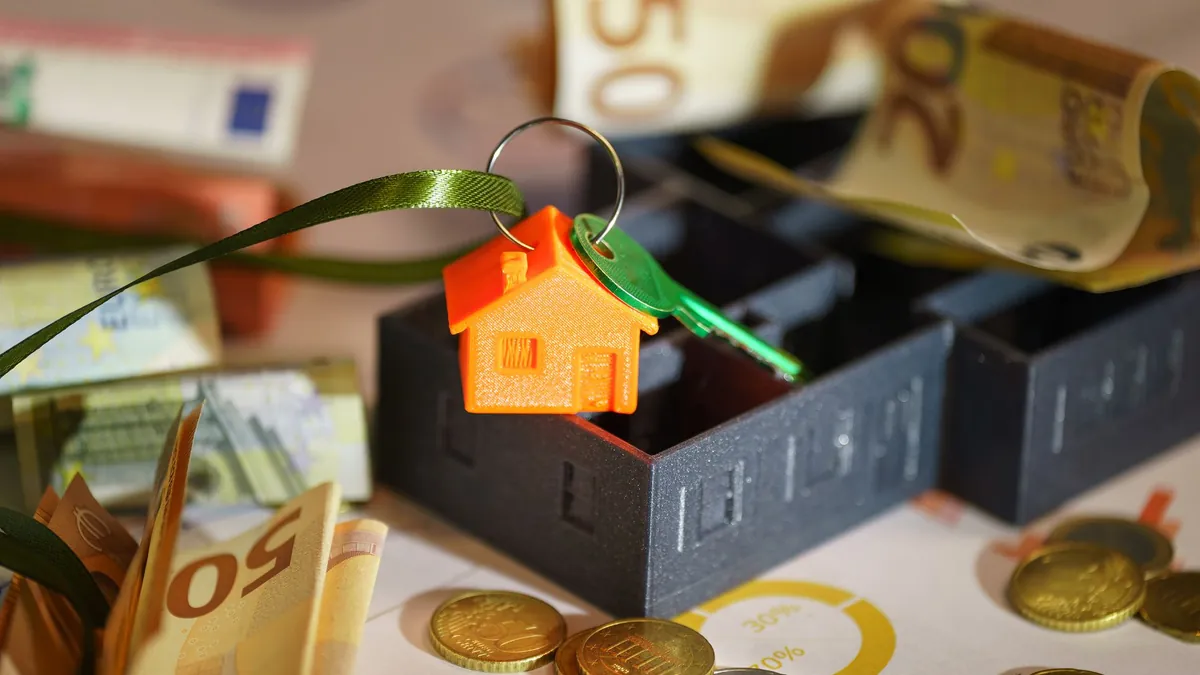
Some upgrades are genuinely complimentary, but others arrive bundled with resort fees, premium floor surcharges, or enhanced amenity costs that only surface on your final bill. Before accepting any upgraded room, ask the agent directly whether the new rate introduces any additional daily charges. Understanding the full cost structure — something savvy travelers who rely on direct hotel booking perks already know — is non-negotiable.
- Key Reality: Hidden upgrade fees can add 30 to 80 dollars per night to your total bill without any upfront disclosure.
2. When You Have Mobility Issues or Accessibility Requirements That the New Room Doesn’t Meet

An upgraded suite on the 14th floor sounds glamorous until you realize the bathroom lacks grab bars, the shower has a high threshold, or the building’s accessible elevator is under maintenance. Accessibility needs are non-negotiable, and a visually impressive room that fails to accommodate them creates genuine safety risks. Always confirm that any upgraded room matches your specific mobility and accessibility requirements before accepting the key.
- Key Reality: ADA-compliant rooms are limited in supply — accepting a non-compliant upgrade can forfeit your originally guaranteed accessible accommodation.
3. When the Upgraded Room Is Located Near Elevators, Ice Machines, or High-Traffic Areas

A larger room means nothing if you’re spending the night listening to elevator chimes, rattling ice machines, and the steady percussion of rolling luggage at 2 a.m. High-traffic corridor placement is one of the most consistently reported sources of guest dissatisfaction in hotel reviews. Ask specifically where the upgraded room sits on the floor map before you commit to the switch.
- Key Reality: Rooms within 5 doors of elevator banks receive measurably lower guest satisfaction scores across major hotel review platforms.
4. When You’re Traveling During Peak Checkout Times and Need Immediate Room Access
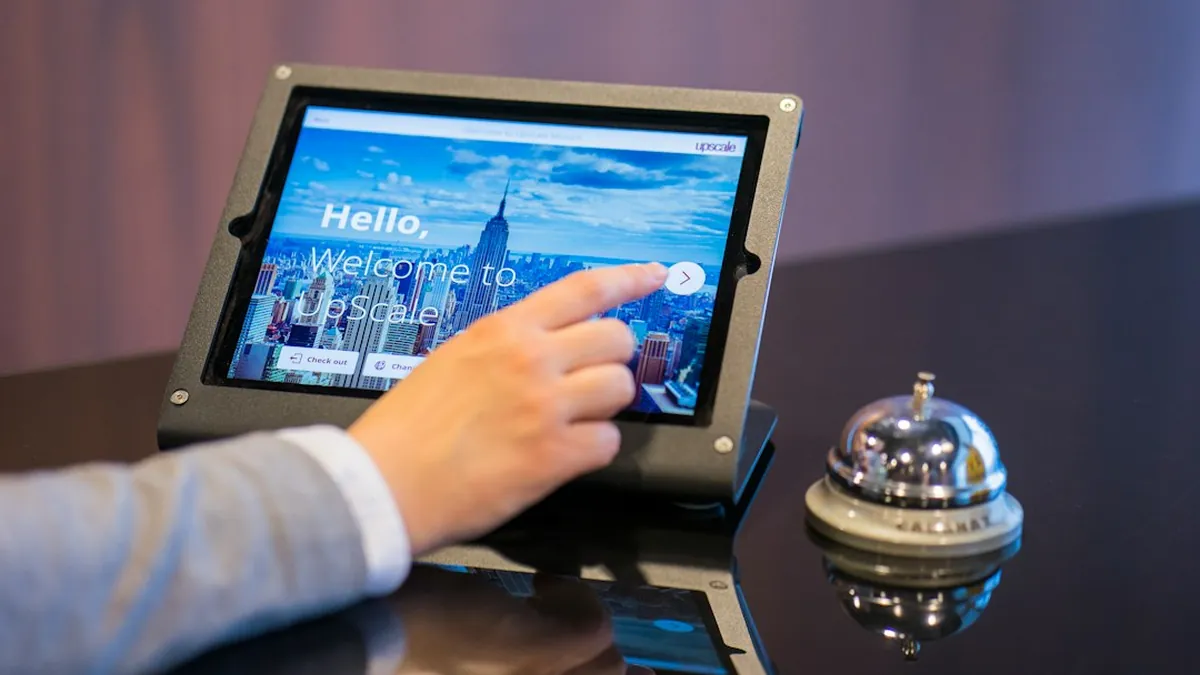
Upgraded rooms are frequently the last to be cleaned and turned over during peak checkout periods, meaning accepting one could push your actual room access hours past standard check-in time. If you have a tight afternoon schedule — a meeting, a dinner reservation, or an early event — waiting an extra 2 to 3 hours for a “better” room defeats the purpose entirely. Loyalty program members, as outlined in resources covering luxury hotel loyalty benefits, often have guaranteed early access that an upgrade can inadvertently void.
- Key Reality: Peak check-in delays for upgraded rooms can extend wait times by up to 3 hours on high-occupancy travel days.
5. When the Upgrade Moves You Away From Your Preferred Floor or Desired Building Section
Travelers who specifically request low floors for anxiety reasons, pool-facing views for relaxation, or courtyard-side rooms for quiet have made deliberate, considered choices — and an upgrade that overrides those preferences isn’t actually an improvement. Hotels with multiple buildings or towers can place upgraded rooms in entirely different sections of the property, dramatically changing your experience. A room that matches your personal priorities will always outperform a technically superior room that ignores them.
- Key Reality: Multi-building resort properties can place upgraded rooms 400 to 600 meters from your original preferred building location.
6. When You’re Unfamiliar With the Hotel Layout and Risk Getting Lost or Disoriented

Large full-service hotels and sprawling resort properties can be genuinely labyrinthine, and accepting an upgrade to a wing or floor you haven’t mentally mapped can create real stress — particularly late at night or during an emergency. First-time guests at complex properties should prioritize spatial familiarity over room prestige every single time. A room you can navigate confidently is worth far more than a suite you’ll spend 20 minutes trying to locate after every dinner.
- Key Reality: Large resort hotels can span over 100,000 square feet of interior space, making unfamiliar wing placements a genuine disorientation risk.
A hotel room upgrade at check-in is only as valuable as its fit with your specific needs, schedule, and comfort priorities — and the front desk’s definition of “better” doesn’t always align with yours. Knowing when to decline is just as powerful a travel skill as knowing when to enthusiastically accept. Drop your own upgrade experiences — good, bad, or unexpectedly chaotic — in the comments below.