Tourist Pricing at European Cafes by Seating
As participants in Amazon Associates and other programs, we earn from qualifying purchases. This comes at no additional cost to you. For more details, see our Affiliate Disclosure.
There is something undeniably romantic about sipping an espresso at a sun-drenched terrace in Rome or nursing a Viennese melange while watching trams glide past a cobblestone square. For millions of travelers, European cafe culture represents one of the continent’s most accessible and authentic pleasures. It is a ritual so deeply embedded in local life that UNESCO itself recognizes Viennese coffeehouse culture as an intangible cultural heritage of humanity.
What most visitors never realize, however, is that the very chair they choose can dramatically change the price on their final bill. Tourist pricing at European cafes is not random or illegal—it is a structured, location-based pricing system that operators have quietly normalized across the continent. Understanding how it works is the difference between a charming memory and a genuinely frustrating surprise.
Your Seat Is a Pricing Tier, Not Just a Preference
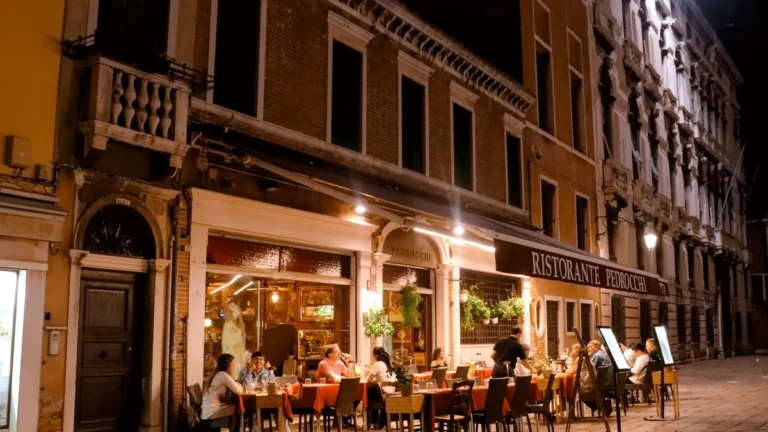
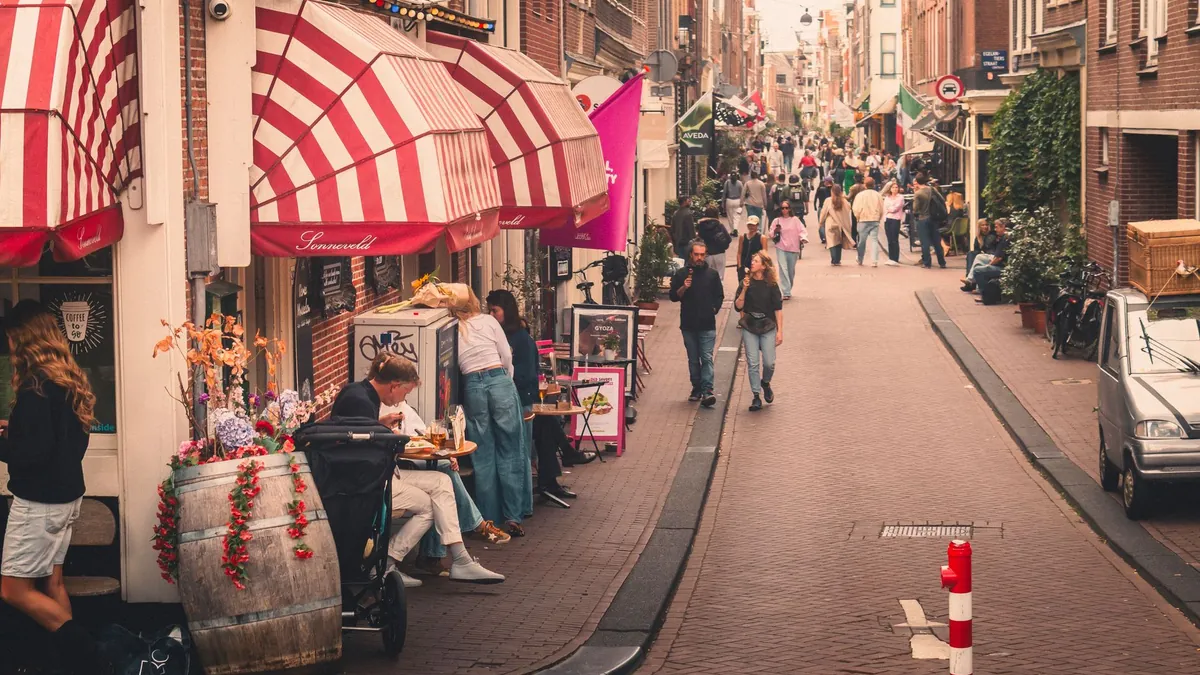
Across Italy, Spain, Greece, and Austria, cafes legally operate tiered pricing based on where a customer sits—bar counter, indoor table, or outdoor terrace. A single espresso at the counter in Florence can cost as little as 1.20 euros, while the identical drink served to you at a scenic terrace table can climb to 4 or even 5 euros. This is not a scam; it is a codified practice, and prices are technically required to be displayed on the menu for each zone.
The friction arises because some establishments near tourist zones use unclear menus, hidden service charges, or “specials” priced far beyond expectations—and in extreme cases, tourists are shown 1 menu outside and charged from another inside. Savvy travelers planning a city-hopping itinerary, whether weighing the Barcelona vs. Paris traveler’s paradises debate, should factor cafe pricing structures into their daily budget from day 1.
Regional Pricing Gaps Reward Travelers Who Do Their Homework
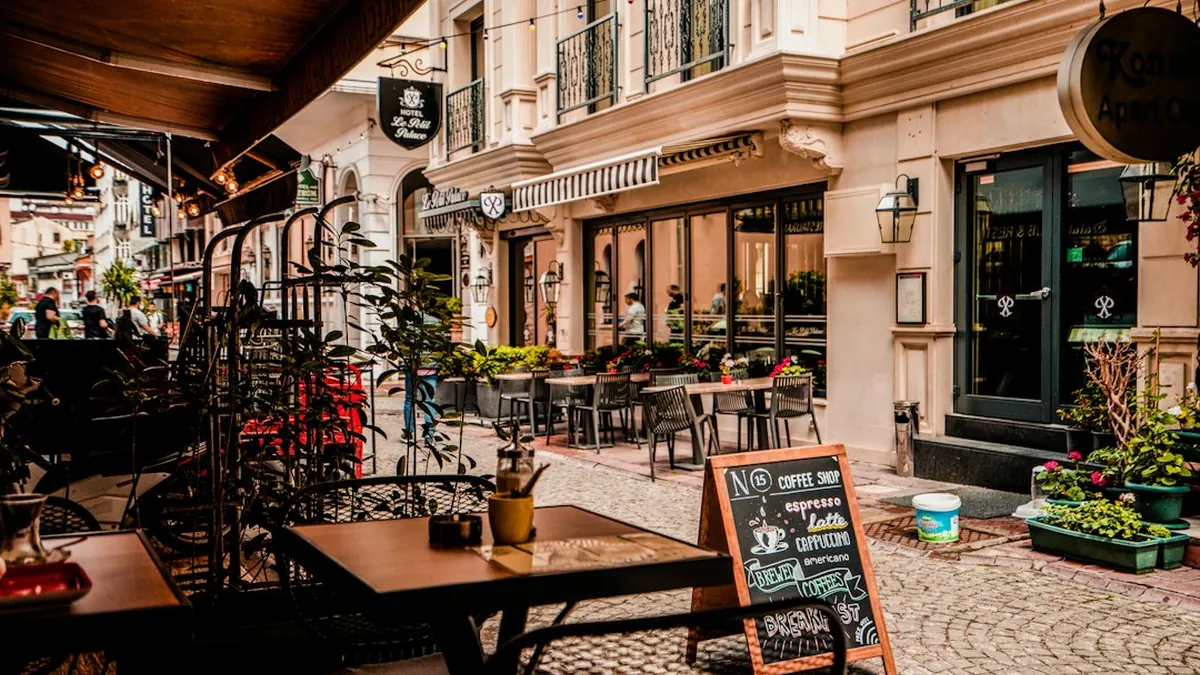
The price gap between tourist-facing and local-facing cafes widens considerably depending on the city and season. In peak summer, a terrace cappuccino in Venice’s Piazza San Marco can exceed 12 euros, while a 5-minute walk into a residential sestiere brings that figure under 2 euros. Timing matters just as much as location—visiting Southern Europe in early autumn often means smaller crowds, more relaxed service, and noticeably friendlier pricing at the very same establishments.
The most effective strategy is deceptively simple: observe what locals do before you sit down. Look for stalls or counters lacking visible zone-specific price tags, as this often signals that the establishment caters primarily to neighborhood regulars rather than passing tourists. If you notice locals standing at the bar rather than claiming terrace seats, that behavioral cue is your clearest signal about where the real value sits.
Tourist pricing at European cafes is a system built on geography, presentation, and the assumption that visitors will not question it. Knowing the rules transforms you from a passive target into an informed consumer who can still enjoy every single sip. Share your own cafe pricing experiences—or your best money-saving seating strategies—in the comments below.