4 Rental Car Upgrades That Waste Your Money

As participants in Amazon Associates and other programs, we earn from qualifying purchases. This comes at no additional cost to you. For more details, see our Affiliate Disclosure.
Every seasoned traveler knows the feeling: you’ve scored a great base rate on a rental car, only to watch the final bill balloon at the counter with a cascade of “optional” add-ons. The rental car industry has quietly perfected the art of upselling, and most travelers accept these charges without a second thought.
What makes these upgrades particularly costly is that many duplicate protections or tools you already own — and according to a USA Today investigation, companies may intentionally limit availability in lower classes to push customers toward more expensive options. Understanding which rental car upgrades waste of money is one of the most underrated travel skills you can develop.
1. Premium Fuel Tank Prepayment Plans That Charge Inflated Per-Gallon Rates

Prepaid fuel plans are marketed as a convenience, but the per-gallon rate is almost always significantly higher than what you’d pay at a local pump. The real trap is that you’re essentially paying for a full tank regardless of how much fuel you actually use, meaning any gas left in the tank at return is pure profit for the rental company.
- Key Reality: Prepaid fuel rates can run 20% to 40% above local pump prices — simply refilling the tank yourself before return eliminates this charge entirely.
2. GPS and Navigation System Rentals When Smartphone Apps Provide Superior Functionality
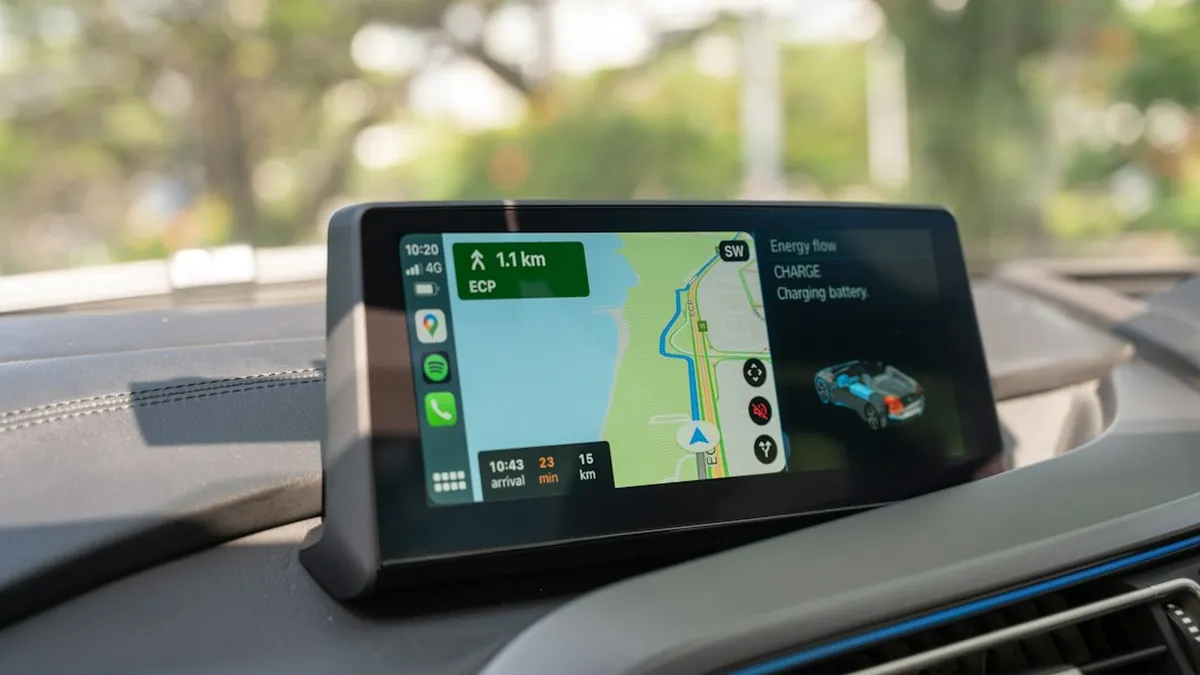
Rental GPS units typically cost between 10 and 15 dollars per day, adding up to over 100 dollars on a week-long trip for hardware that is objectively inferior to free smartphone navigation apps. Google Maps and Waze offer real-time traffic updates, offline map downloads, and lane-by-lane guidance that dated rental units simply cannot match.
- Key Reality: A basic phone mount — available for under 15 dollars — transforms your existing smartphone into a far superior navigation system for the entire trip.
3. Collision Damage Waiver and Loss Damage Waiver Coverage That Duplicates Existing Insurance

CDW and LDW packages are among the most aggressively pushed add-ons at the rental counter, yet millions of travelers already carry equivalent protection through their personal auto insurance or travel credit card benefits. Before accepting this charge — which can reach 30 dollars or more per day — a quick call to your insurer or card provider can confirm your existing coverage.
- Key Reality: Many premium travel credit cards include primary rental car coverage automatically, making the rental company’s waiver a redundant and expensive duplication.
4. Vehicle Size Upgrades to Luxury or SUV Classes That Dramatically Increase Fuel Consumption Costs
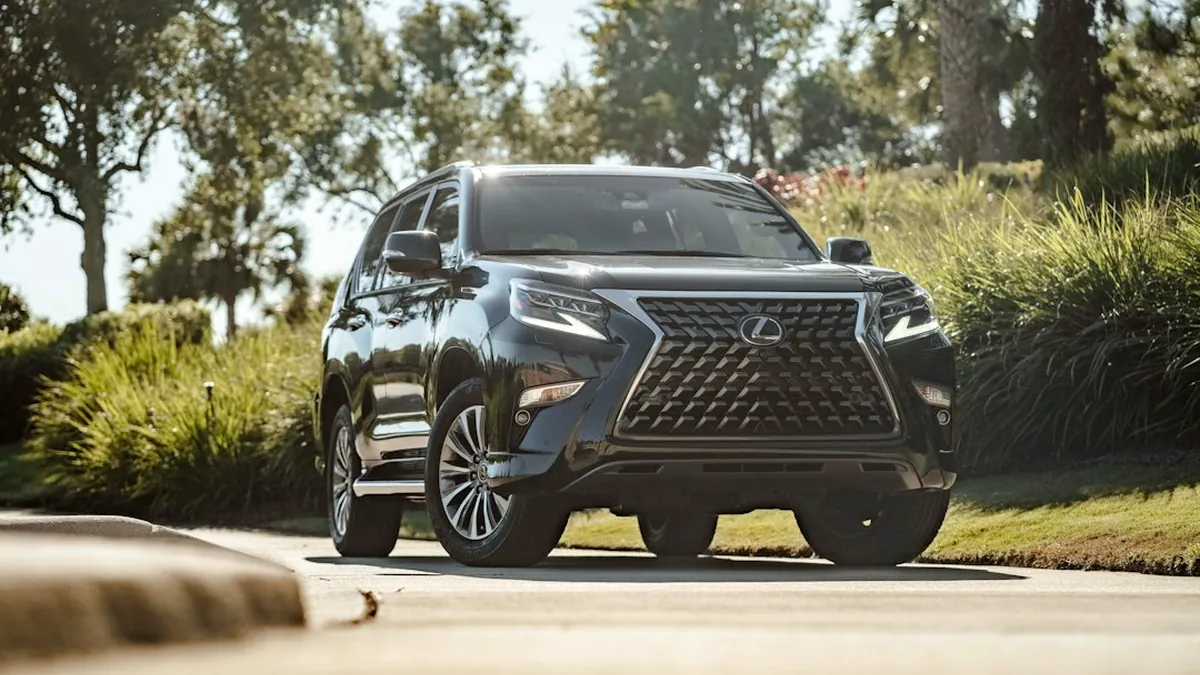
Upgrading from a compact to a full-size SUV might feel like a luxury win, but the hidden cost arrives at every gas station for the rest of your trip. A ScienceDirect study on vehicle carbon footprints confirms that larger vehicles carry substantially higher fuel consumption rates — a real-world cost that compounds daily and can easily exceed the upgrade fee itself. Savvy travelers planning road trips can find expert travel strategies that consistently recommend right-sizing your vehicle to your actual needs.
- Key Reality: An SUV upgrade costing 15 dollars per day can trigger 30 to 50 dollars in additional weekly fuel costs, making the true price of the upgrade nearly double what’s advertised.
Rental car counters are designed to feel like a checkout line, pressuring quick decisions on charges that deserve careful scrutiny. Knowing which add-ons duplicate what you already have — and which inflate costs invisibly — can save you hundreds of dollars on every trip. Have you ever been talked into a rental upgrade you later regretted? Share your experience in the comments below.